
Table of Contents
Investing in the stock market can feel like exploring a huge playground. One day you might learn about technology companies, and another day you might learn about companies that make medicines. When we talk about pharma stocks, we mean buying small pieces of companies that research, develop, make, and sell medicines. indmoney.com These medicines can help people feel better when they are sick, which is why this industry is very important.
This article explains the risks and rewards of investing in pharmaceutical stocks in a way that even a ten‑year‑old can understand. We will look at how the industry works in both India and the United States, share examples of opportunities and challenges, and give simple tips for new investors. Remember, this information is for learning; investing should always be done with proper guidance.
What Are Pharma Stocks?

To start, imagine that a big company like Pfizer or Sun Pharma is like a giant pizza. Each slice of the pizza represents a share. When you buy a share, you own a tiny slice of that company. Pharma stocks are shares of companies that spend their time and money researching new medicines, testing them, getting approval from health authorities, and selling them to hospitals and patients. This process is long and complicated, but it can also be very rewarding for both the company and the investors.
The United States is the largest market for pharmaceutical products, and healthcare spending there is huge. In fact, spending on healthcare in the U.S. is expected to reach US$7.7 trillion by 2032, which will be about 18 % of the country’s total output (GDP). Because people always need medicines, the pharma sector can be attractive to investors. India, on the other hand, is sometimes called the “pharmacy of the world” because it produces over 60,000 generic drugs across 60 different categories and supplies about 20 % of the world’s generic medicines. India is also the largest supplier of vaccines by volume. These differences mean that opportunities—and challenges—can be quite different in each country.
Why Do People Invest in Pharma Stocks?

There are several reasons why investors might be excited about pharmaceutical companies:
- Growing demand for healthcare. As populations in India, the United States, and around the world get older, people need more medicines. In the U.S., healthcare already makes up a big part of the economy, and in India exports continue to grow.
- Innovation and breakthroughs. Scientists are always finding new ways to treat diseases, from curing infections to managing chronic conditions. Investing in pharma stocks lets you support these innovations and potentially benefit when they succeed. Successful drugs can bring significant returns for companies and their investors.
- Long‑term revenue. When a new drug is approved, the company usually enjoys a period of about 20 years of patent protection. During this time they are the only ones allowed to sell that medicine, which can lead to steady profits. After the patent expires, other companies can produce generic versions at lower prices (more on this later).
- Helping society. Investing in healthcare companies can feel rewarding because these companies create medicines that help people live healthier lives.
Rewards of Pharma Stocks: Opportunities and Examples

Medicines Always in Demand
People get sick in every country, and medicines help them get better. Because of this constant need, pharmaceutical companies often have a stable customer base. In the U.S., nearly 18 % of the country’s income goes toward healthcare. In India, medicines made in the country are shipped to more than 200 countries, including the United States, Japan and Western Europe. This global demand supports the industry.
Opportunities from Patent Expiry (the “Patent Cliff”)
When a company invents a new medicine, it gets a patent that usually lasts 20 years. During that time, only that company can make and sell the medicine at a high price. When the patent runs out, other companies can produce generic versions that cost less. This moment is sometimes called a “patent cliff,” because the original company’s sales can fall sharply, like going off a cliff.
While this is bad news for the original drug maker, it can be very good for Indian generic drug companies. For example, during the 2010 patent cliff, some innovator companies saw their revenue drop by as much as 90 %. Indian companies quickly produced cheaper versions, leading to strong growth. The Nifty Pharma index (which measures Indian pharma stocks) outperformed the Dow Jones Pharma index between 2010 and 2015, with the Nifty Pharma index soaring 219 % compared to 99 % for the Dow Jones Pharma index. Experts expect the Indian pharma sector to grow at a 12–16 % rate per year between 2024 and 2030, and the industry’s market size could reach US$130 billion by 2030.
Mergers and Acquisitions
Large pharmaceutical companies often buy smaller companies or merge with others to expand their product lineup. These deals can sometimes cause stock prices to rise quickly because investors expect the combined company to make more money. This trend is common in both the U.S. and India and can create opportunities for investors.
Cutting‑Edge Research

Pharmaceutical companies invest huge amounts of money into research laboratories. Scientists work for years—sometimes decades—discovering new treatments. Recent estimates suggest that bringing a new drug to market can cost between US$161 million and US$4.5 billion, with average costs ranging from US$1.3 billion to US$2.5 billion. When a company finally succeeds, it can enjoy both a financial reward and the satisfaction of helping patients.
Global Collaboration
Many medicines sold in the U.S. are actually made in other countries. In 2024, the United States imported over 828,000 metric tons of pharmaceutical products, and China and India supply the majority of generic drugs. This cooperation helps keep medicine prices lower and provides jobs in places like India. However, it also introduces risks, which we will explore next.
Risks of Investing in Pharma Stocks
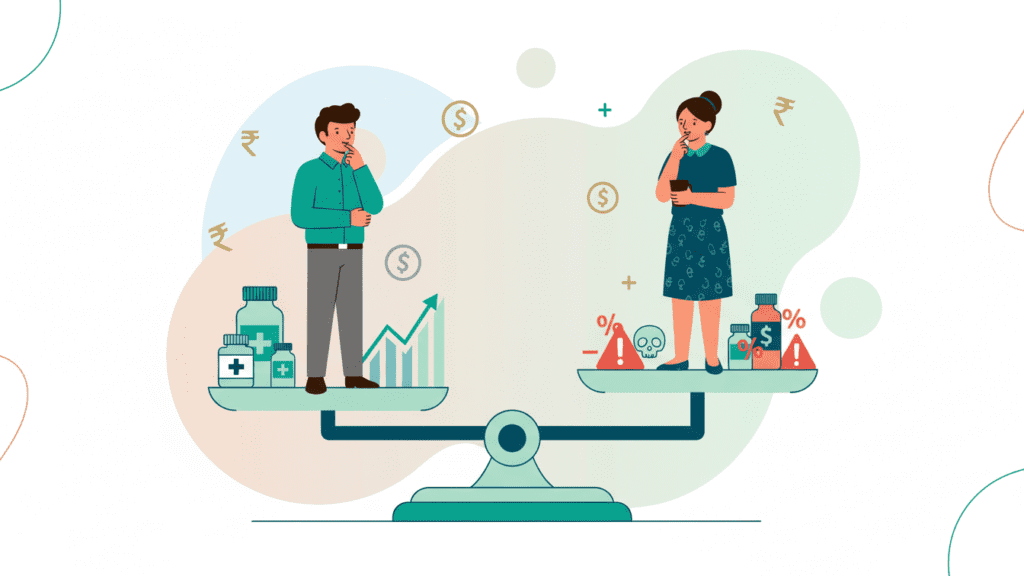
Even though pharma stocks can offer big rewards, they come with serious risks. Understanding these risks helps investors make smarter decisions.
High Research and Development (R&D) Costs
Developing a new drug is very expensive. As mentioned earlier, the average cost to bring a drug to market is between US$1.3 billion and US$2.5 billion. Companies often have to spend money for years before any product is sold. If the drug fails during testing, all that money is lost. This uncertainty makes pharma stocks riskier than stocks of companies that sell everyday products.
Long Approval Process
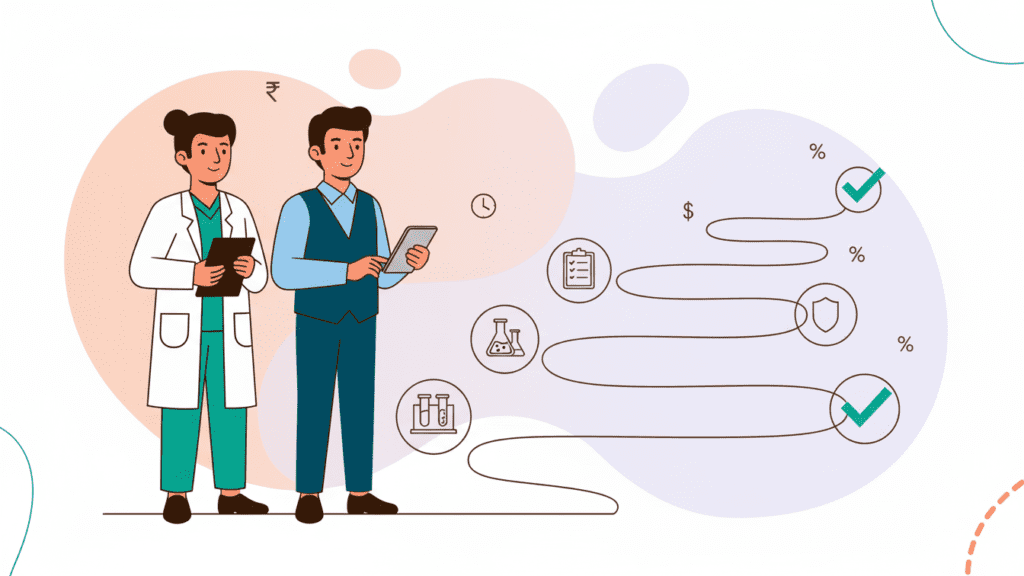
Before a medicine can be sold, it must be tested in a series of clinical trials and approved by regulators such as the U.S. Food and Drug Administration (FDA) or India’s Central Drugs Standard Control Organisation (CDSCO). The approval process can take 10 to 12 years. If a drug fails any phase of testing, the company might see its stock price fall sharply. Investors must be patient and prepared for setbacks.
Regulatory Challenges
Pharmaceutical companies must follow strict rules for how they manufacture and test drugs. These rules are designed to protect patients, but they can add cost and uncertainty. According to Investopedia, the main barriers to entry in the pharmaceutical industry include regulatory approval, high R&D costs, intellectual property protections, brand recognition, manufacturing complexities, and competition from generic and biosimilar drugs. If a company fails to meet regulatory standards, its products can be recalled or banned.
Patent Expiry and Competition
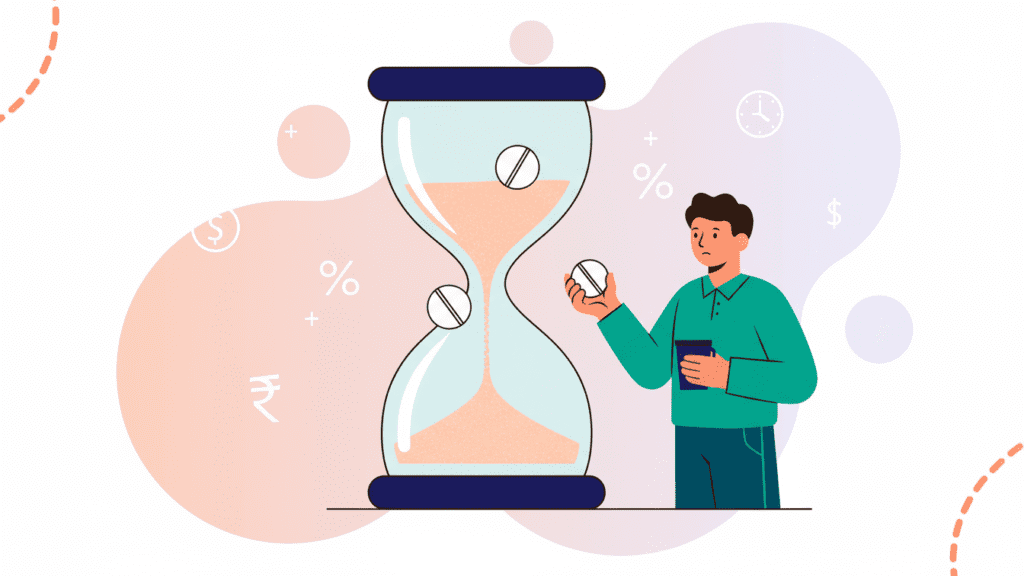
As we saw in the patent cliff example, once a patent expires, other companies can produce cheaper generic versions. This can lead to rapid drops in sales for the original manufacturer. Companies must constantly invest in new drugs to replace their old “blockbusters.” Investors have to watch a company’s drug pipeline (the list of new drugs being developed) to estimate future earnings.
Clinical Trial Failures
Clinical trials test whether a drug is safe and effective. If a trial shows the drug doesn’t work or has unexpected side effects, the company must stop development. These failures can cause substantial financial losses. Smaller biotech companies with only one or two drugs in development are particularly risky because their future depends on those trials.
Market Competition and Pricing Pressure
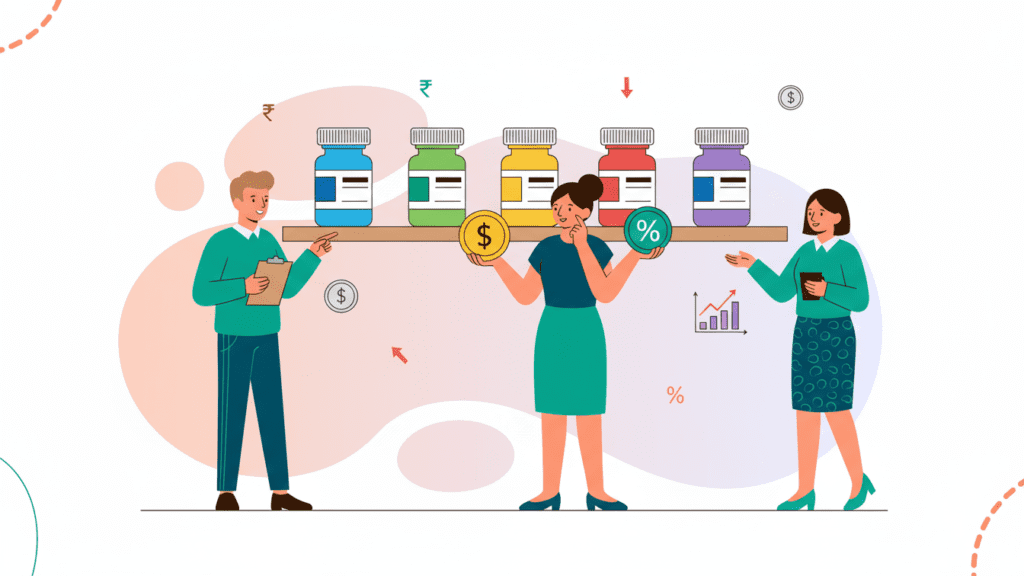
There is intense competition in the pharmaceutical industry. Many companies might be developing similar treatments. When generic drugs enter the market, prices drop dramatically because generics can be sold at a fraction of the original price. Public debates about high drug prices can also lead governments to regulate prices, affecting company profits.
Supply Chain Dependence
As mentioned earlier, the U.S. and other countries depend heavily on imports from India and China for generic drugs and active pharmaceutical ingredients (APIs). In 2024, imported pharmaceutical products reached seven times the volume of imports in 2000, and China and India supply about 70–80 % of the U.S. generic drug supply. prosperousamerica.org India supplies roughly half of all finished generic drugs. If something disrupts this supply chain—such as natural disasters, trade disputes, or quality problems—medicine shortages could occur, hurting both patients and companies.
Comparing India and the United States

India: Pharmacy of the World
India is the world’s largest provider of generic medicines by volume. The country produces more than 60,000 generic drugs across 60 therapeutic categories and exports to over 200 countries. Because Indian companies can manufacture medicines at lower costs, they play a huge role in making healthcare affordable worldwide. When patents expire in Western countries, Indian manufacturers often step in quickly to produce generic versions, giving them a competitive edge.
India’s pharmaceutical industry was valued at around US$50 billion in 2023‑24 and is expected to reach US$130 billion by 2030. The sector earns billions in export revenue, and it is a major employer. Examples of notable Indian pharma companies include Sun Pharmaceutical Industries, Dr. Reddy’s Laboratories, Cipla, and Lupin. Many of these companies started by making generic drugs and have since expanded into biosimilars (copies of complex biological drugs), vaccines, and specialty medicines.
United States: Innovation Powerhouse

The U.S. leads the world in pharmaceutical innovation and investment. The country’s robust R&D ecosystem and large market attract scientists and investors from around the globe. However, this focus on innovation means companies spend enormous amounts of money on research and have long time frames for approval. Because the U.S. is such a large consumer of medicines, policies around drug pricing and imports affect the global industry. Many U.S. companies rely on Indian manufacturers for generic drugs and on Chinese suppliers for active ingredients. This interdependence highlights the need for strong partnerships and careful risk management.
Factors to Consider Before Investing
If you are thinking about pharma stocks—perhaps with your financial advisor—here are some simple guidelines to keep in mind:
1. Do Your Homework
Learn about the company’s products, financial health, and drug pipeline (the list of medicines they are developing). Companies with many drugs in development and a history of getting approvals are often safer bets. Read news about their clinical trials and pay attention to announcements from health regulators.
2. Diversify
Don’t put all your money into one pharma stock. Diversification means spreading your investments across different companies and even different industries. This way, if one company has a bad result, your overall investment is protected. You could also consider investing in broader pharma index funds or exchange‑traded funds (ETFs) that hold many companies at once.
3. Understand the Risk–Reward Balance
Pharma stocks can be volatile, especially for smaller companies with only a few products in development. Ask yourself how much risk you are willing to take and whether the potential reward is worth it. If a company’s success depends on one drug, it might be riskier than a larger firm with multiple products.
4. Watch the Regulatory Landscape
Rules around drug approvals, pricing, and patents can change. Stay informed about health policies and trade news. In both India and the U.S., government decisions can affect how much companies earn. For example, new price controls might lower profits, while faster approval processes might boost them.
5. Think Long Term

Developing medicines takes time. Don’t expect to get rich overnight. Successful pharma investors often hold their shares for years while a company’s research turns into real products. If you’re investing with your parents’ help, make sure you both understand this long‑term commitment.
6. Never Invest Money You Need Soon
Because pharma stocks can swing up and down, never use money that you need for rent, or emergencies. Only invest money that you and your family can set aside for the long haul.
Case Study: The Patent Cliff and Generic Opportunity
The patent cliff is an easy way to understand how risks and rewards can appear together. Let’s imagine a company named “Medico” spends years developing a medicine for a serious disease. For 20 years, Medico has the exclusive right to sell that medicine and earn high profits. Investors who bought shares of Medico during this time would likely enjoy steady dividends and rising stock prices.
But when the patent ends, companies in India (and other countries) can make generic versions of the same medicine. Because Indian companies have lower manufacturing costs, they can sell the medicine for much less, and more patients can afford it. This is good for society, but it means Medico’s profits—and its stock price—might drop quickly. Investors who understand the patent cliff could shift their investment from the innovator to a generic manufacturer at the right time.
The Economic Times reported that during the 2010 patent cliff, some innovator companies saw their revenue drop by 90 %. At the same time, generic manufacturers—especially in India—experienced huge growth. The Nifty Pharma index doubled the returns of the Dow Jones Pharma index during that period. This story shows that understanding industry cycles can help investors navigate risks and capture rewards.
Conclusion

Pharma stocks sit at the crossroads of science, society, and finance. Because people always need medicines, the industry offers opportunities for growth and can reward investors with strong returns. India, with its massive generic drug production and vaccine manufacturing, plays a huge role in supplying affordable medicines worldwide. The United States, with its deep pockets and cutting‑edge research, drives innovation and sets global standards.
But investing in pharma is not a guaranteed win. Developing new medicines is expensive, takes a long time, and is filled with uncertainty. Patents expire, competition is fierce, and government regulations can change quickly. Investors must balance the exciting rewards with these significant risks. By doing thorough research, diversifying their holdings, and thinking long term, even young investors (with adult support) can learn valuable lessons from the world of pharma stocks.
If You Liked This Article, Then You Might Also Like This –
Are FMCG Stocks Worth Investing in? Stability vs Growth Explained