Table of Contents
“The stock market is designed to transfer money from the Active to the Patient.” – Warren Buffett
So, What are these 5 Challenges Faced By Beginner Investors ?
Patience, my friend.
Patience.
I’ll tell you everything but first let’s understand What is Investing ?
Investing is like planting a tiny seed today and watching it grow into a big, strong tree in the future. When you invest, you put your money into things like companies, stocks, bonds, or mutual funds so that, over time, it can grow. This is how many people save for college, a car, a house, or even retirement.
But starting to invest is not always easy. Just like learning to ride a bicycle, you might wobble a little at first. If you know what problems to watch out for, you can avoid many mistakes.
Below we will talk about 5 challenges faced by beginner investors and share helpful tips and real-life examples to make everything clear and fun.
1. Losing Money
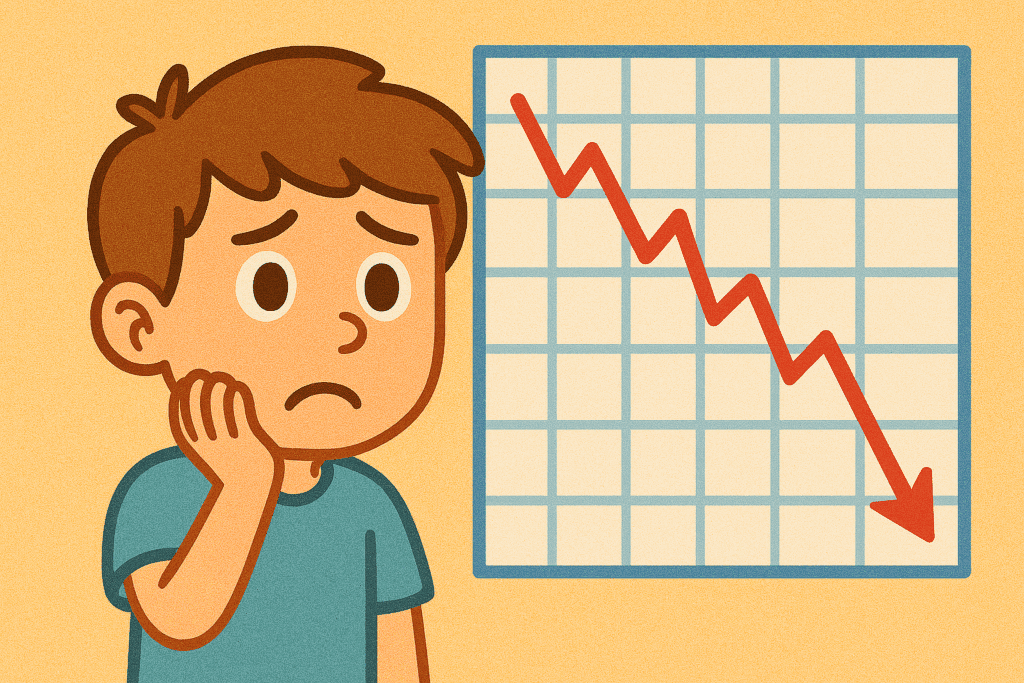
One of the primary concerns for new investors is the risk of losing money.
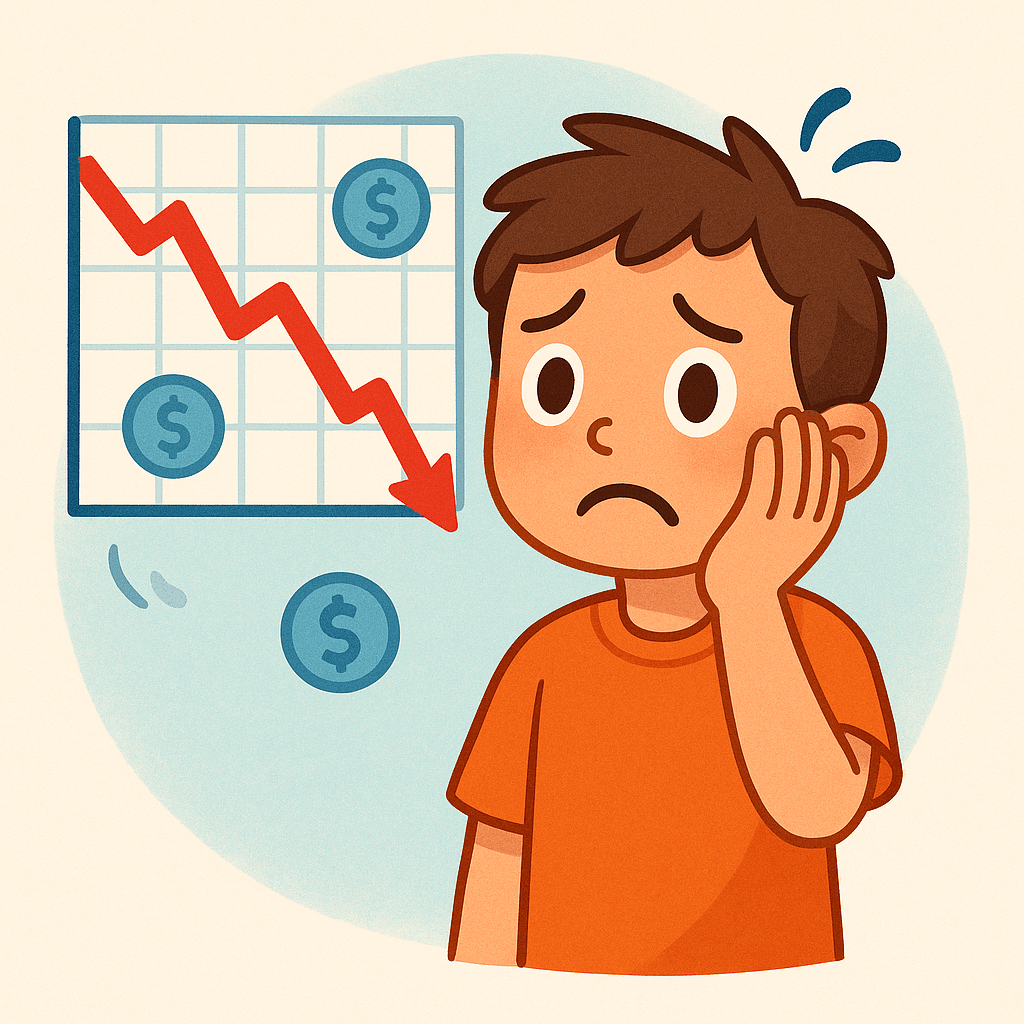
When you buy a stock, the price can go up or down every single day. Sometimes it rises like a balloon, and at other times it falls like a stone.
Why Does This Happen?
- Company performance: If a company sells lots of products and makes profits, its stock price can go up.
- News and world events: If something bad happens—like a big storm, a new tax, or an unexpected crisis—the price might drop.
- Market mood: Sometimes people get scared or excited and buy or sell quickly. This can make prices change suddenly.
A Simple Story
Imagine you saved ₹1,000 in pocket money and bought shares of a chocolate company because you love chocolate. A week later, you hear on the news that cocoa prices are going up and the company might make less profit. The stock price drops to ₹900.
At first you might feel sad and think, “Oh no, I lost ₹100!” But if you wait patiently, the company might recover and your stock could go back up—or even higher.
Tips to Stay Safe
- Invest only what you can spare: Never use the money you need for food, school, or emergencies.
- Think long-term: Over many years, good investments usually grow, even if they go up and down in the short run.
- Learn before you leap: Read books or ask experienced investors (like parents or teachers) to guide you.
2. Too Many Choices
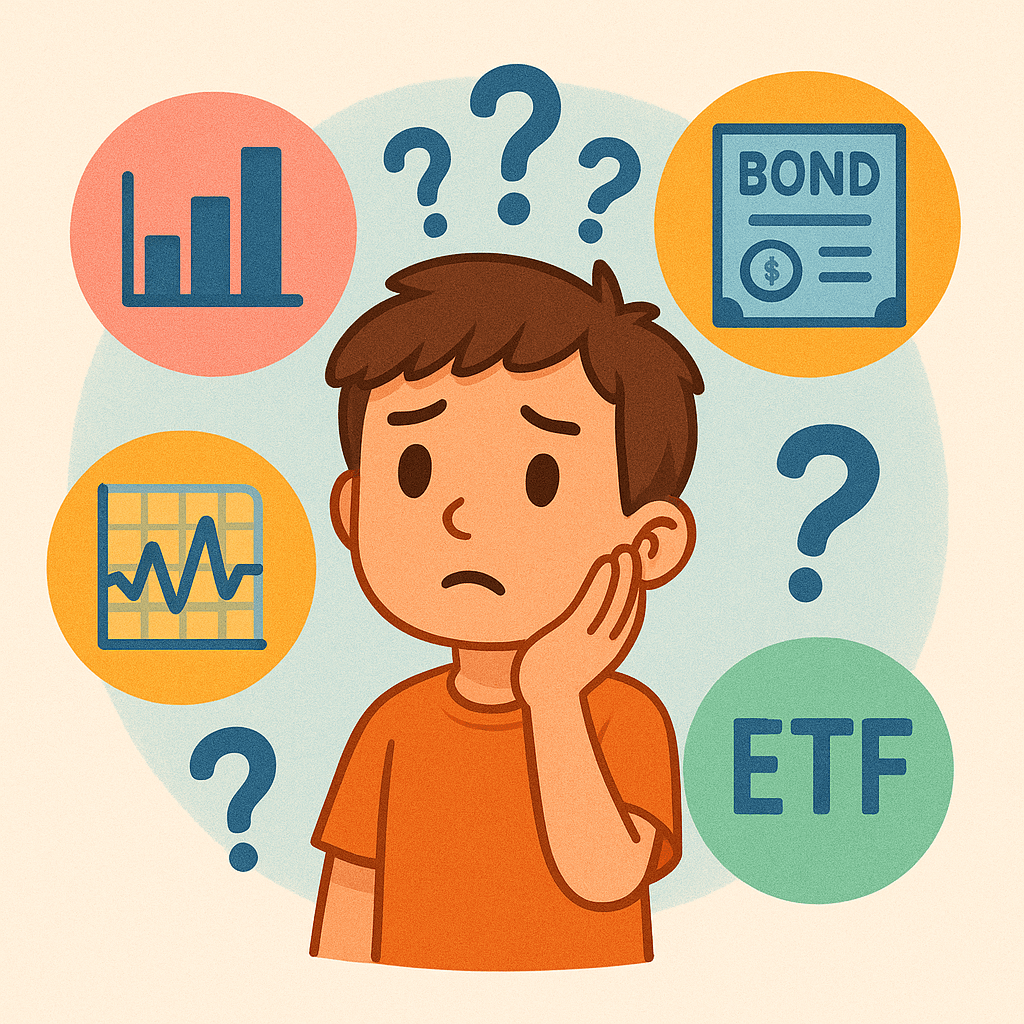
When you first look at the investing world, it’s like entering a huge toy shop.
There are so many things to pick from: stocks, mutual funds, bonds, gold funds, exchange-traded funds (ETFs), and more.
Why It Feels Overwhelming
- Every investment has its own rules, risks, and rewards.
- Some grow fast but can fall quickly (like stocks). Others grow slowly but steadily (like government bonds).
- There are also new things like digital currencies and startup investing.
It’s normal to feel confused and think, “Where should I start?”
Imagine This
You go to an ice cream shop with 50 flavors. At first it sounds exciting, but soon it’s hard to choose. You worry that if you pick chocolate, you might miss out on mango or strawberry.
Investing can feel the same.
Tips to Choose Wisely
- Start simple: Begin with one or two safe investments, like index funds that follow the market as a whole.
- Learn a little each week: Read simple articles or watch short videos to understand different types of investments.
- Set clear goals: Ask yourself why you are investing. Is it for college? A bike? Long-term wealth? The goal will guide your choice.
3. Fear of Taking Risks

Every investment has some risk. Risk means the chance that things might not go as planned.
Many beginners worry: “What if I lose all my money?”
How Fear Shows Up
- Not investing at all and keeping money only in a savings account.
- Choosing very safe options that grow very slowly.
- Selling investments too soon when prices fall a little.
But if you don’t take any risk, your money may not grow much. Over many years, inflation (the rise in prices) can eat away your savings.
A Garden Example
Imagine planting seeds. If you only plant them inside a pot on a shelf because you fear birds or bugs, the plant may never get enough sunlight to grow strong. A little risk—planting outside—is needed for a bigger tree.
How to Manage Risk
- Spread out your investments: This is called diversification. If one plant doesn’t grow well, others can still flourish.
- Invest for the long run: Markets go up and down daily, but over many years they usually grow.
- Learn and practice: Start with small amounts to see how things work before putting in more.
4. Being Impatient

Investing is not like instant noodles.
It’s more like cooking a slow, tasty soup. You can’t rush it.
Many beginners expect their money to grow fast. If the stock doesn’t move up quickly, they feel bored or upset.
What Happens When You’re Impatient
- Selling too soon and missing future growth.
- Jumping from one stock to another, paying extra fees.
- Getting discouraged and quitting investing altogether.
A Fun Example
Imagine you plant a mango tree. After one month, you don’t see fruit and you pull it out, thinking it’s useless. But mango trees need years to grow. If you wait, you’ll have hundreds of mangoes later.
How to Build Patience
- Set a long-term plan: For example, “I won’t touch this investment for 5 years.”
- Celebrate small milestones: Like watching your investment grow little by little every year.
- Learn from history: Most great investors made their wealth by holding good investments for a long time.
5. Following the Crowd

Have you ever seen your classmates run to the playground because one person shouted, “Ice cream truck!”—only to find nothing there?
Investing can be similar. When everyone rushes to buy a “hot stock,” beginners may feel the need to join, even without understanding it.
Why It’s Risky
- The price of a popular stock can become too high, so you might buy at the peak.
- If the stock suddenly falls, many people may sell at the same time, causing bigger losses.
Real-Life Example
A few years ago, some companies became very popular because of exciting news or social media hype. Many people bought their shares without checking the company’s real profits. When the excitement faded, the prices dropped and many beginners lost money.
How to Stay Independent
- Do your homework: Read about how the company earns money.
- Have your own plan: Decide what fits your goals instead of copying others.
- Ask wise people: Talk to parents, teachers, or trusted investors before making big moves.
Extra Tips to Help Beginner Investors
- Start with a plan
Write down your goals, like buying a cycle, paying for college, or saving for a dream vacation. Knowing your “why” keeps you focused. - Use a budget
Always save some money for daily needs and emergencies. Only invest what you don’t need right away. - Learn steadily
Spend 15 minutes a day reading kid-friendly finance stories or watching short videos. - Celebrate learning, not just profits
Even if a stock goes down, ask: What did I learn? Each lesson is a small win.
Bringing It All Together
Investing is a wonderful way to grow your money over time. But every beginner faces similar challenges:
- Losing money in the short term
- Feeling confused by too many choices
- Being afraid to take risks
- Wanting quick results
- Following the crowd without thinking
The secret is to learn slowly, start small, and stay patient. Think of investing as planting a garden: you water it, give it sunlight, and wait. One day, your money tree can give you fruits for college, travel, or even starting your own business.
Final Words
Whether you are 10 or 100, the first steps in investing can feel scary. But remember, every great investor started small. With patience, learning, and smart choices, you can turn tiny seeds of money into a forest of opportunities.
If You Like This Article, Then You Might Also Like This –
Risk vs Reward in Stock Market Investing: A Kid‑Friendly Guide