Table of Contents
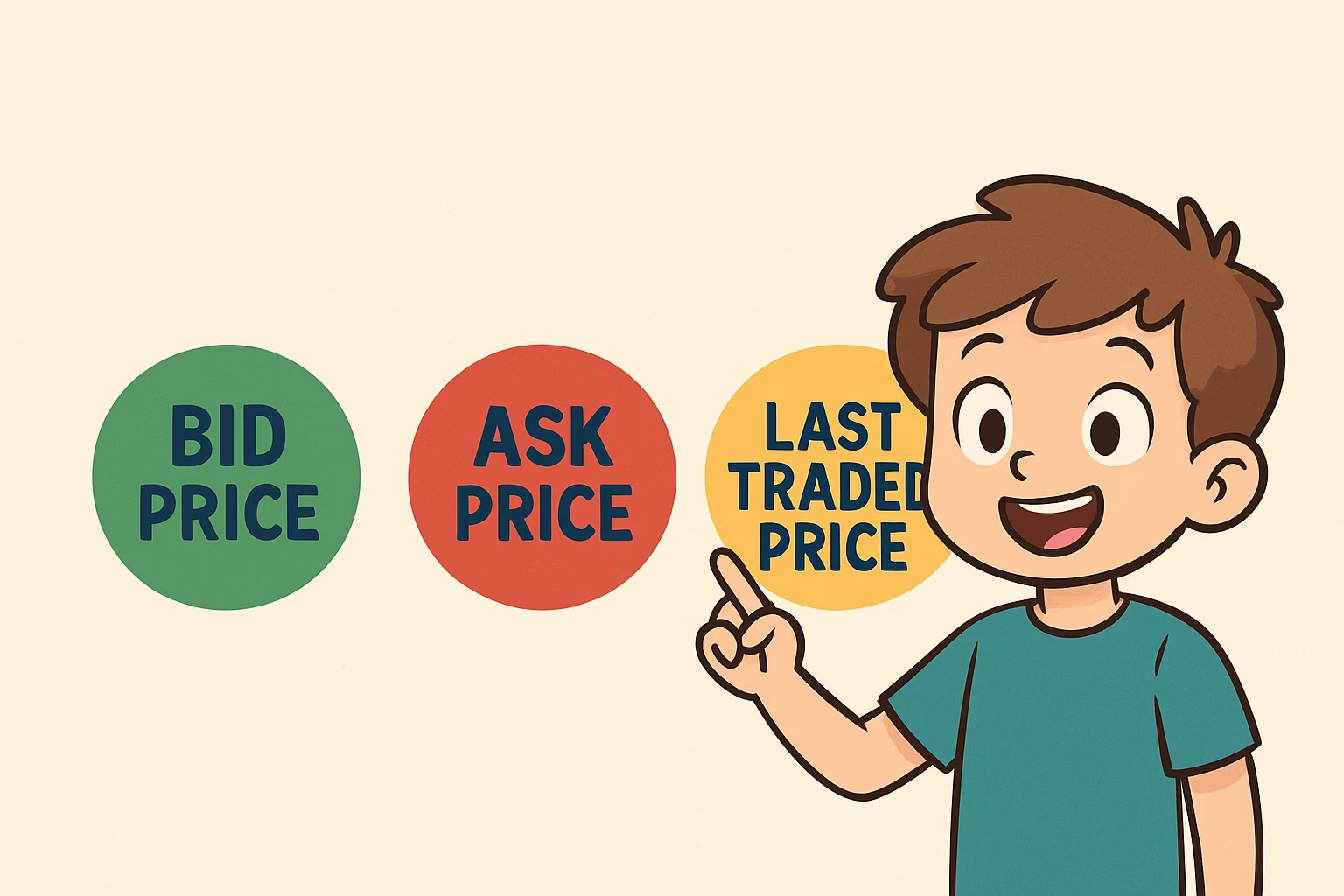
Bid Price vs. Ask Price vs. Last Traded Price
If you’ve ever bought toys from a friend or sold cookies at a lemonade stand, you’ve already experienced the basic ideas behind bid price, ask price and last traded price. These price quotes are used in stock markets and trading, but they aren’t as scary as they sound.
Think of them like the prices you see in a classroom trading game – there’s a price a buyer is willing to pay, a price a seller is willing to accept and the price at which the last trade actually happened. This article breaks down these concepts in plain language so that even a 10‑year‑old can understand.
The Marketplace in Our Story
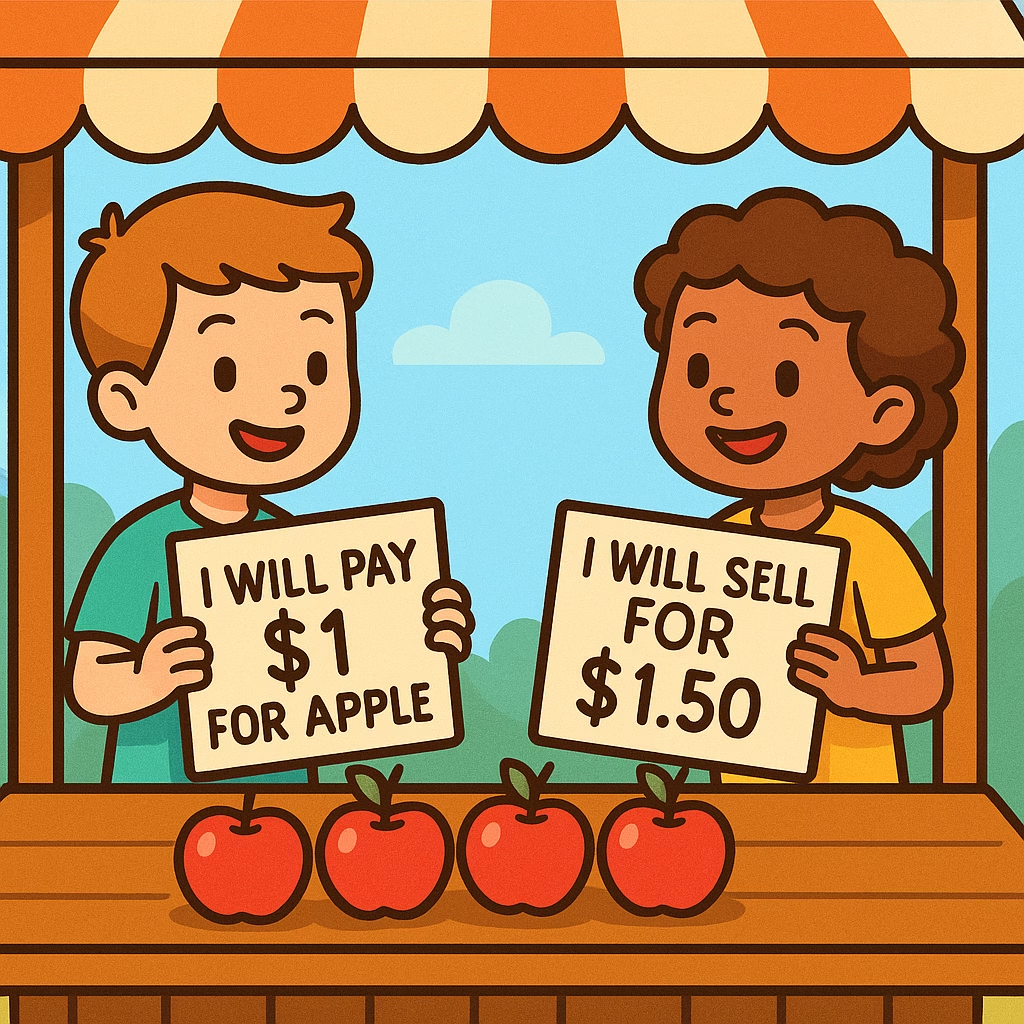
Imagine a small market where kids trade apples. Each child writes down how much they’re willing to pay for an apple and how much they’d accept to sell one. These notes help them agree on a trade.
Bid Price – What Buyers Want to Pay
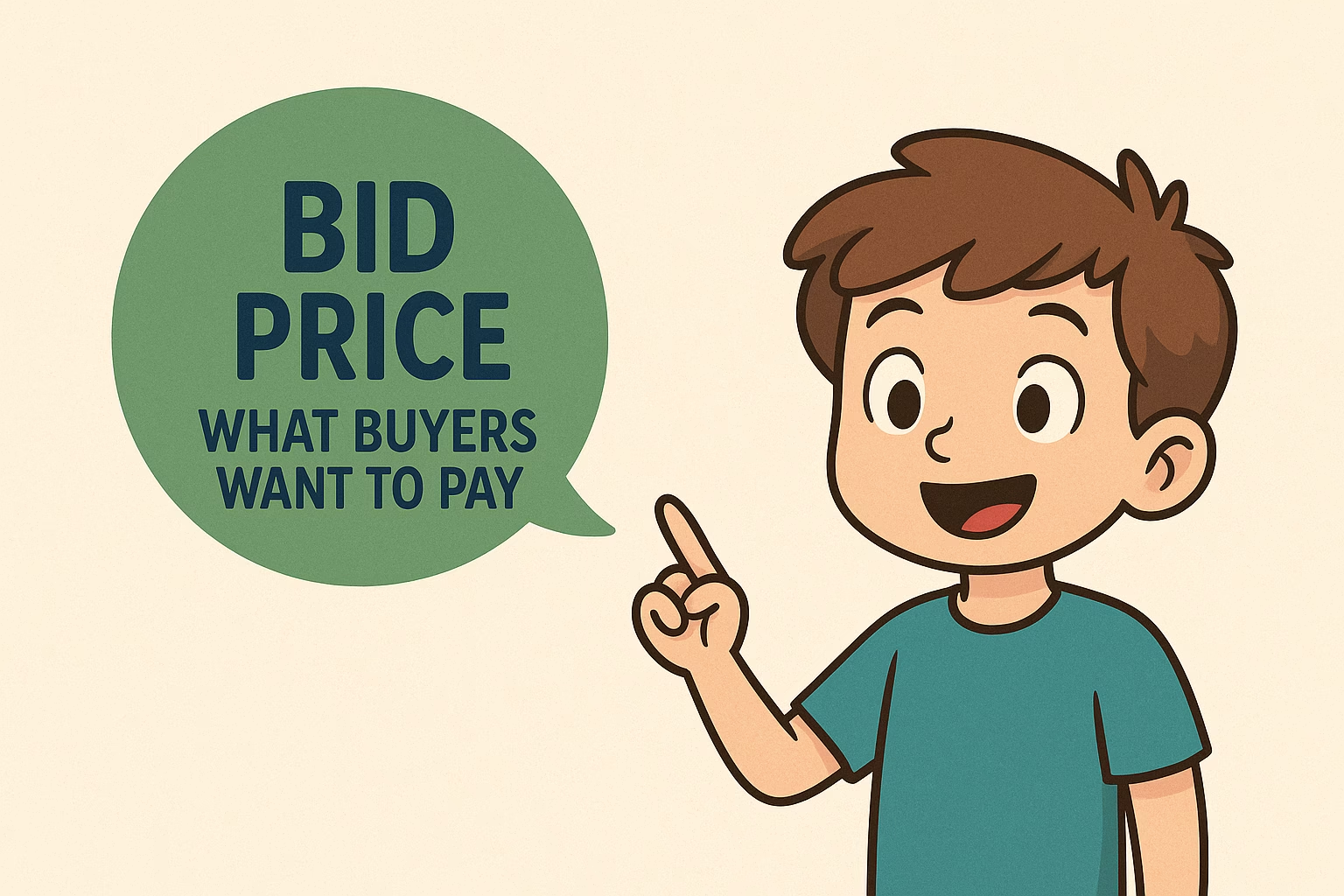
The bid is the highest price that a buyer is willing to pay. In our apple market, if you say, “I’ll pay ₹10 for that apple,” then ₹10 is your bid. On an official stock exchange it works the same way: Investor.gov explains that the term bid refers to the highest price a buyer will pay for a specific number of shares investor.gov.
Investopedia adds that when brokers place buy orders for stocks, the highest suggested purchase price becomes the bid and represents the demand side of the market.
Why do bids matter?
- The bid shows demand. More people bidding high amounts means strong demand.
- It’s one half of a price quote. The bid is normally listed first in a stock price pair (for example ₹100/₹101), and it tells sellers how much buyers are willing to pay.
- A buyer’s bid may change if news affects how much the stock is worth.
Ask Price – What Sellers Want to Receive
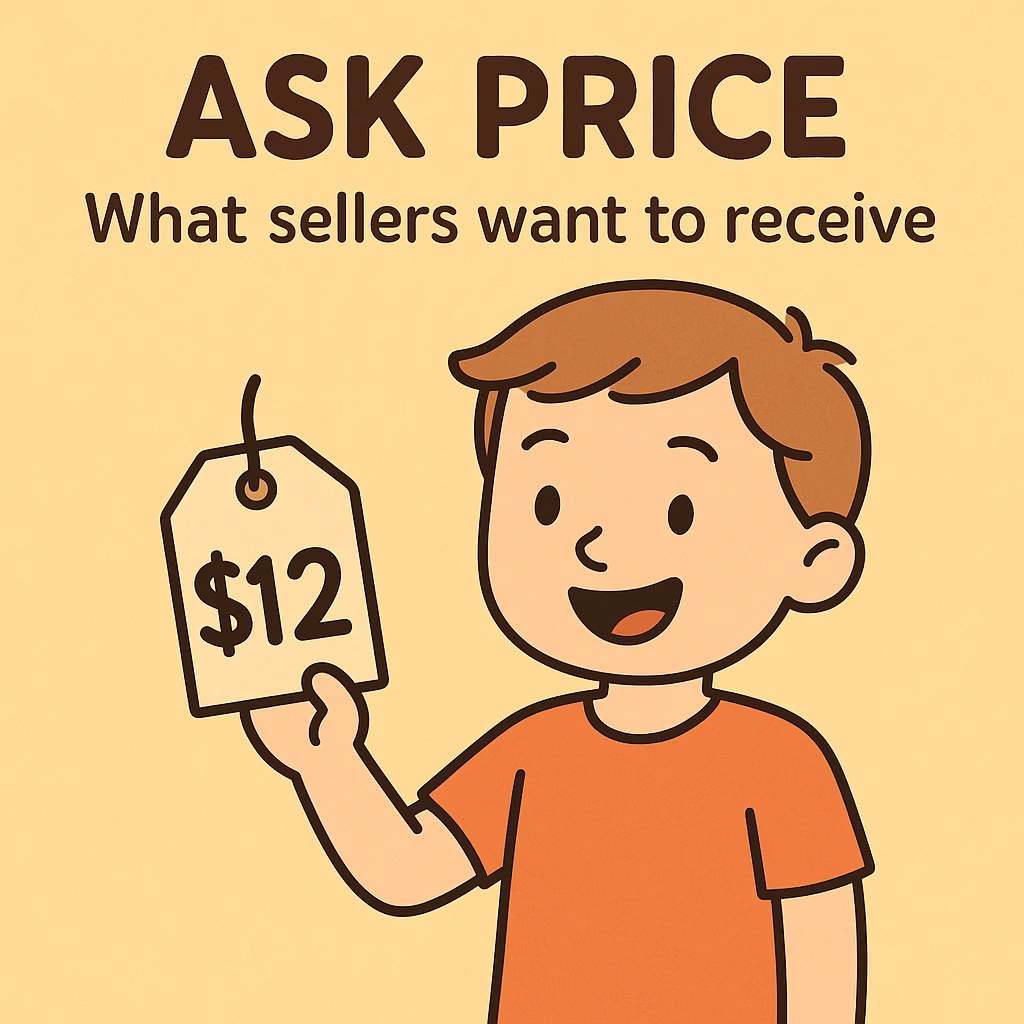
The ask (sometimes called the offer) is the lowest price a seller will accept. If you say, “I won’t sell this apple for less than ₹12,” then ₹12 is your ask. Investor.gov defines the ask as the lowest price at which a seller will sell the stock. On a stock exchange, the lowest suggested selling price becomes the ask and represents the supply side investopedia.com.
Why do asks matter?
- Sellers want to receive the highest possible price, so they start with a higher ask.
- It’s the second number in a price quote. In ₹100/₹101, ₹101 is the ask.
- The difference between the bid and ask tells us about how easy it is to trade.
The Bid‑Ask Spread – The Gap Between the Two
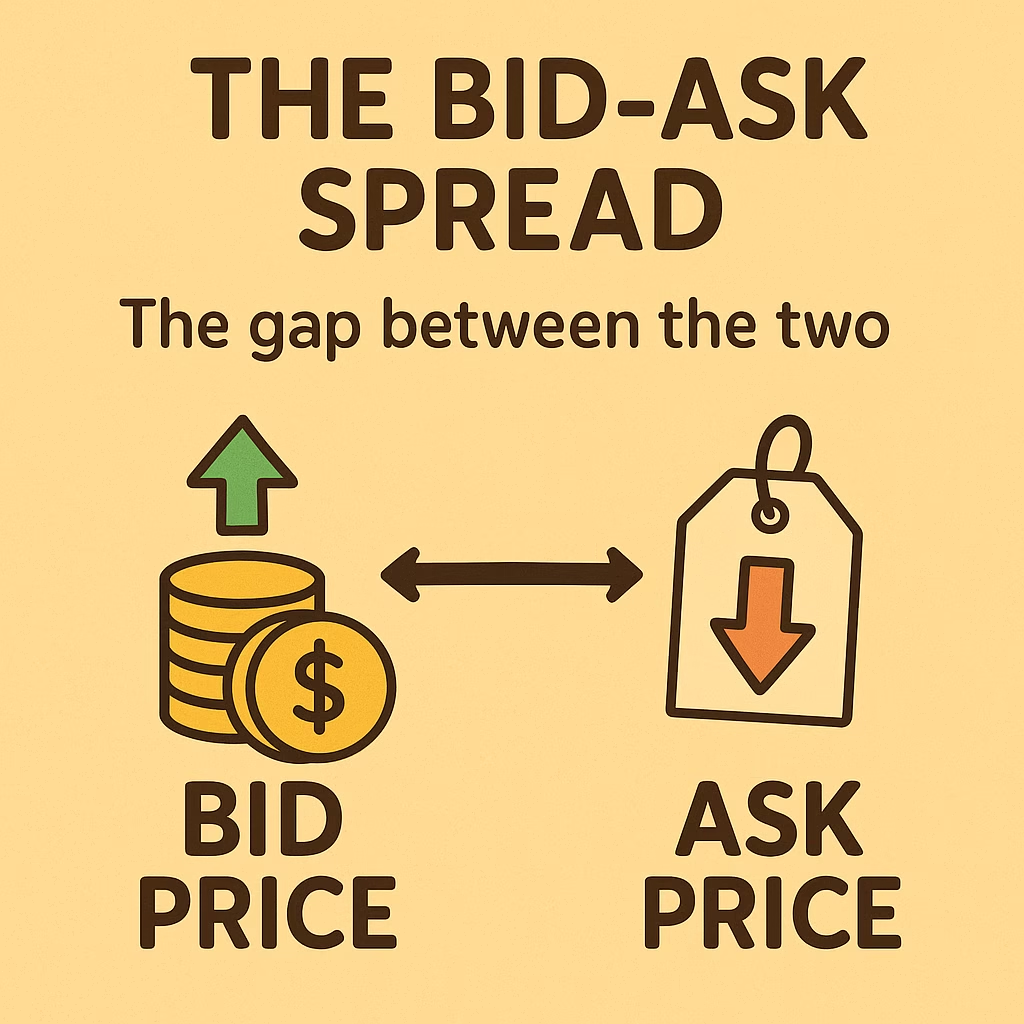
A spread is simply the difference between the bid and ask. Because sellers usually want more than buyers are offering, the bid is almost always lower than the ask. For example, if a stock’s bid is ₹100 and the ask is ₹101, the spread is ₹1. According to Investor.gov, the difference between the bid and ask is called the spread, and Investopedia notes that a high spread suggests the stock has low liquidity investopedia.com.
What does the spread tell us?
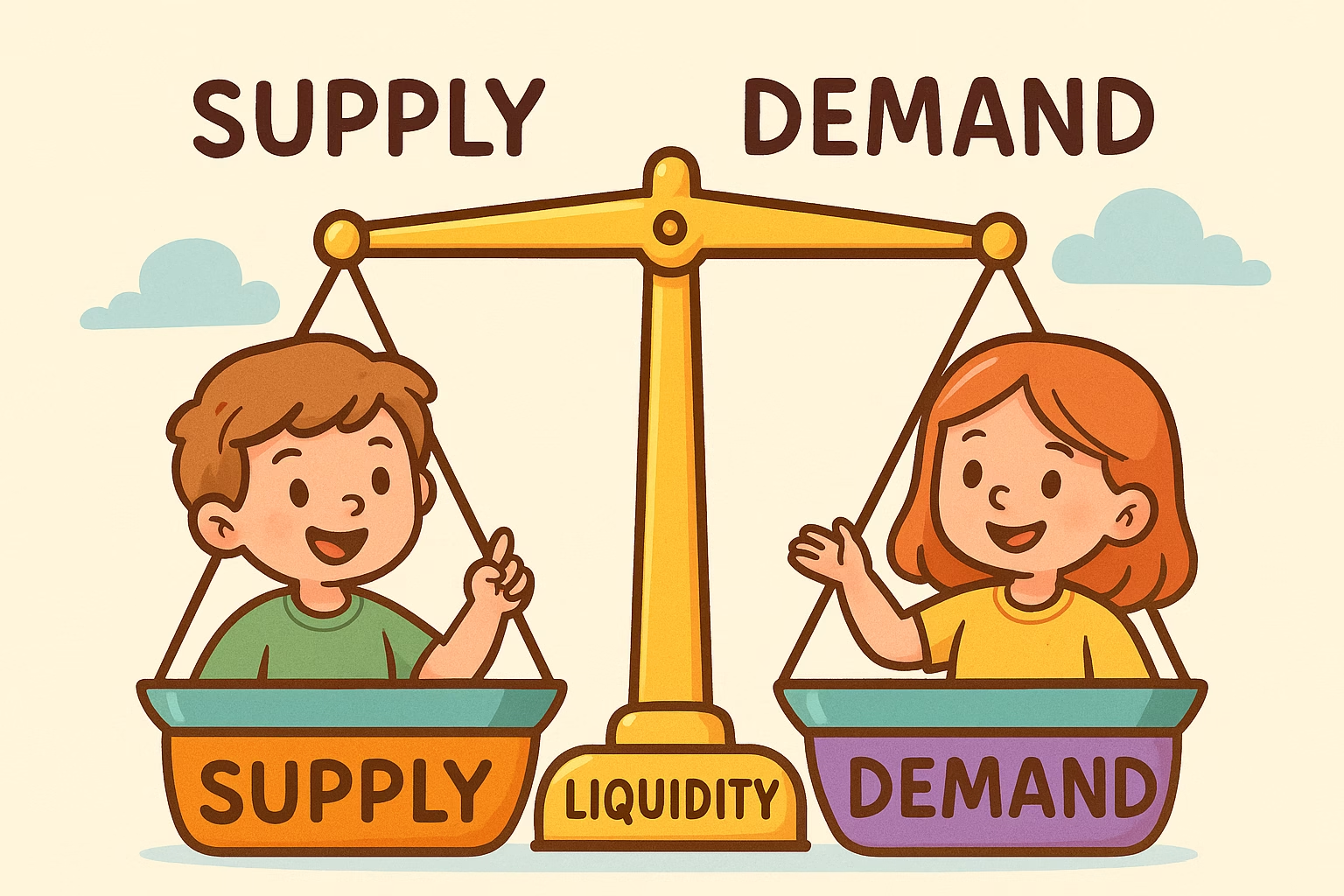
- Liquidity – If many people are trading a stock, the spread becomes small. More liquid markets (like popular big‑company stocks) have spreads only a few pennies.
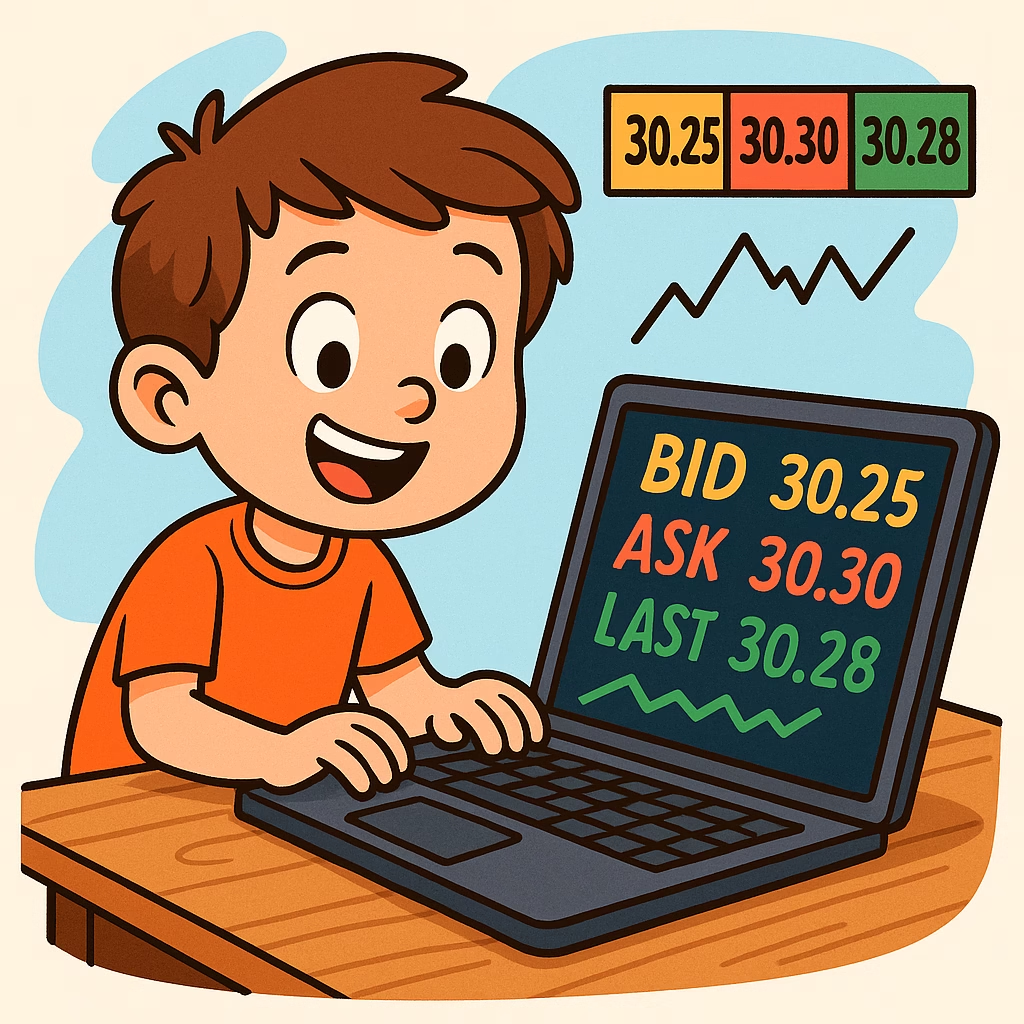
- Trading cost – Investors must cross the spread to complete a trade. If you buy at the ask, you pay slightly more than the last trade; if you sell at the bid, you get slightly less. For example, Business Insider explains that if a stock quote shows bids at $50.24 and asks at $50.26, a market order to buy will be filled at the best ask price ($50.26) businessinsider.com.
- Market health – A big spread often means fewer buyers and sellers or more uncertainty. When investors disagree about value, they quote prices far apart.
What Happens When a Trade Occurs?
A trade happens when a buyer’s bid meets a seller’s ask. If someone bids the ask price or if a seller accepts the bid, a transaction occurs. Market makers – special firms – help by providing continuous bids and asks. They purchase shares when investors want to sell and sell shares when investors want to buy, earning profit from the spread investopedia.com.
Simple Example
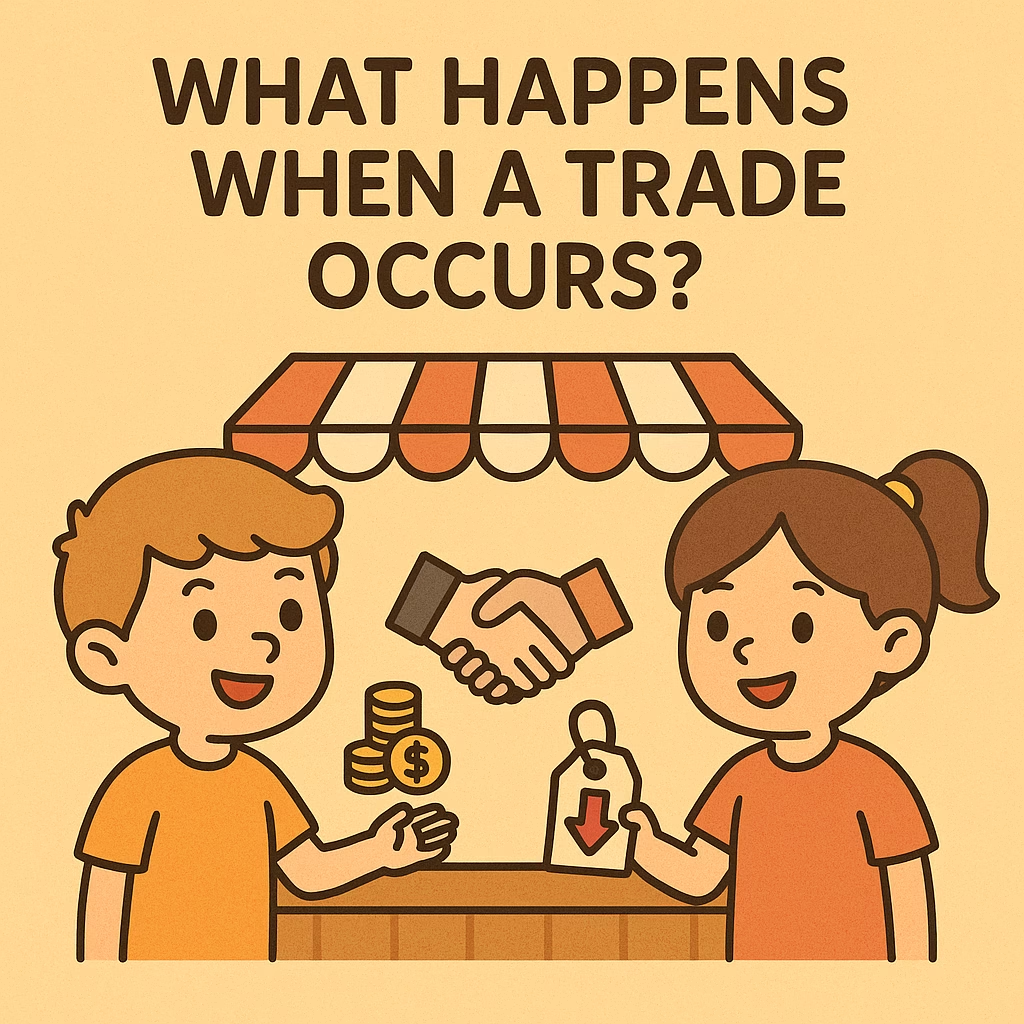
Let’s revisit our apple market. Suppose that Mia wants to buy an apple.
She writes, “I’ll pay ₹10.” This is her bid.
Arjun wants to sell an apple. He writes, “I’ll sell for ₹12.” That’s his ask.
There’s a ₹2 spread.
Nothing happens until one of them moves.
When Mia says, “Okay, I’ll pay ₹12,” her bid matches Arjun’s ask and they trade.
Or Arjun might lower his ask to ₹10 to match Mia’s bid.
In a real stock market, computer systems match the highest bids with the lowest asks and execute trades instantly.
Another real‑world example from Investopedia uses a company named ABC. Suppose ABC’s best bid is 100 shares at $9.95 and the best ask is 200 shares at $10.05. A trade won’t occur until a buyer is willing to pay $10.05 or a seller agrees to accept $9.95. When a buyer places a market order to purchase 100 shares, the bid price jumps to $10.05 and trades take place at that price until the order is filled.
Last Traded Price – The Most Recent Transaction
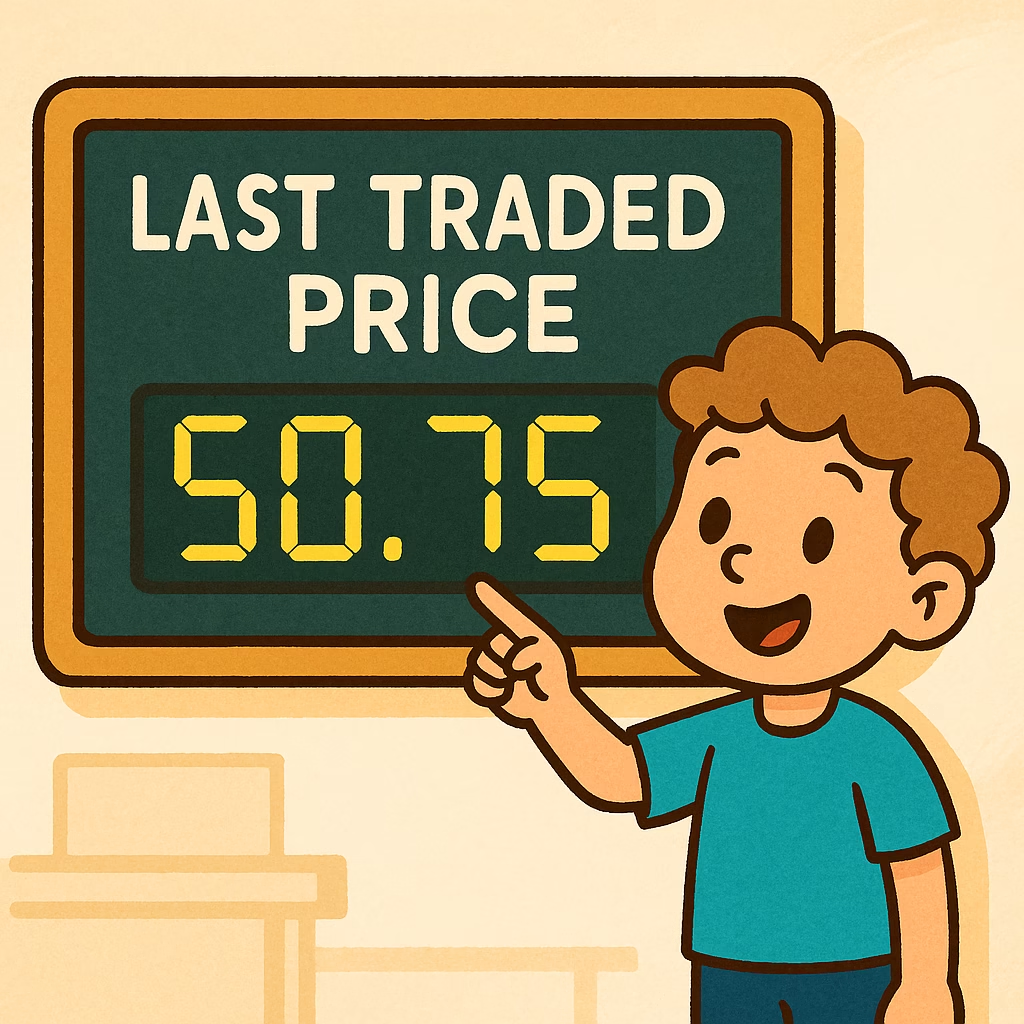
The last traded price (LTP) is the price at which the most recent trade occurred. It represents the value at which someone actually bought or sold a stock. According to Paytm’s financial glossary, LTP is the most recent price in a futures contract or stock at which a security or asset was bought or sold, reflecting the current value paytm.com.
It changes with each new transaction and depends on how often the security is traded. In an active market the LTP might update every second; in a quiet market it might not change for minutes or even hours.
How Is LTP Different from Other Prices?
- LTP vs. Market Price – The market price is the current price at which trades are happening. When trading is active, the LTP and market price are similar. However, in a slow market the LTP may not reflect the true market price because it updates only when a trade occurs.
- LTP vs. Closing Price – The closing price is the final price at which a security traded during regular market hours on a given day. It is used as a benchmark for tracking performance, but the LTP could be from any time during trading hours. After‑hours trading can change the LTP even after the official closing time. In other words, the LTP keeps moving during the trading session, while the closing price is fixed at the end of the da.
- Reporting Differences – The closing price and LTP might differ because of inconsistent reporting standards, busy final minutes of trading and trades that continue after the exchange closes. For example, heavy trading in the last half‑hour can make it hard to identify the exact final trade.
Example of LTP in Action
Suppose you check the LTP of a stock at 9 p.m. after the market has closed. You see that the last traded price was $227.50. Jenny decides to buy 10 shares at this moment with a market order. When the market opens the next morning, the ask price has moved to $229.50. Jenny’s broker buys the shares at $229.50 because a market order is executed at the best available ask price, so she ends up paying more than the previous LT.
This shows that the last traded price is a snapshot of the most recent trade but doesn’t guarantee the next trade will be at that price. In high‑volume stocks, however, the spread is usually tiny and the price you pay is very close to the last traded price.
Why Do These Prices Matter?

1. They Reflect Supply and Demand
Prices in markets work like prices at our apple stand. When many people want to buy and few want to sell, buyers raise their bids and sellers raise their asks. Conversely, when there are more sellers than buyers, prices fall. The bid and ask are shaped by these forces of supply and demand investopedia.com. For example, if a toy is scarce and kids really want it, sellers can increase their ask price, while buyers might be less willing to raise their bid if the toy is common.
2. They Show Liquidity
Liquidity describes how easy it is to buy or sell something without changing its price too much. A narrow spread (small difference between bid and ask) means the stock is easy to trade. In popular stocks with lots of trading, the spread may only be a few paise or cents. A wide spread means the stock has fewer traders, so it’s harder to buy or sell quickly investopedia.com.
3. They Affect Trading Costs
When you buy at the ask or sell at the bid, you pay the spread. A tight spread means you pay only a tiny extra cost; a wide spread can add up, especially for large orders businessinsider.com. Professional traders watch spreads closely to manage their trading expenses.
4. They Help Traders Make Decisions
Watching changes in bid, ask and LTP can show what other investors are doing. Rising bids and asks might indicate that traders believe a stock’s value will go up. Falling bids and asks might signal pessimism. Paytm’s article notes that a rising LTP shows strong buying interest, while a falling LTP suggests selling pressure.
Putting It All Together: A Story
Let’s tell a story about three friends – Ria, Sam and Adil – trading toy cars.
- Quotes on the board – Ria is a buyer. She writes on the board: “I’ll buy a toy car for ₹100.” That’s her bid. Sam is a seller. He writes: “I’ll sell a toy car for ₹105.” That’s his ask. The spread is ₹5.
- No trade yet – Nothing happens because the prices don’t match. Ria isn’t ready to pay ₹105, and Sam won’t accept ₹100.
- Enter Adil – Adil checks the last traded price and sees that the last toy car sold for ₹102. He really wants a car and doesn’t want to wait, so he places a market order. The system matches his order with Sam’s ask at ₹105 (the best ask). The new LTP becomes ₹105.
- Price movement – Seeing this, Ria worries the price might keep rising. She increases her bid to ₹103, narrowing the spread. Sam sees the interest and lowers his ask to ₹104. Eventually they meet at ₹103.50 and trade. That new price becomes the latest LTP, and the spread resets with new bids and asks.
This story mirrors how stocks trade on an exchange. Buyers and sellers post bids and asks, trades occur when they meet, and the last traded price continually updates.
Vocabulary Summary
| Term | Simple meaning | Extra notes |
|---|---|---|
| Bid price | Highest price a buyer is willing to pay | Shows demand; first number in a price quote. |
| Ask price | Lowest price a seller is willing to accept | Shows supply; second number in a price quote. |
| Bid‑ask spread | Difference between bid and ask | Indicates liquidity and trading cost. |
| Last traded price (LTP) | Price at which the most recent trade took place | Changes every time a trade happens; can differ from closing price. |
| Market price | Current price at which trades are happening | Often close to LTP in active markets. |
| Closing price | Final price when regular trading ends | Used for daily performance; may differ from LTP. |
| Liquidity | How easily something can be traded without changing its price | A small spread means high liquidity; a large spread means low liquidity. |
| Market order | Instruction to buy or sell immediately at the best available price | Fills at the ask when buying; may differ from the last price. |
| Market maker | Firm that continuously provides bid and ask prices | Keeps markets liquid and earns profit from the spread. |
Conclusion

Bid price, ask price and last traded price are like the offer and asking prices you see at a small stand or in a trading game. The bid is what buyers are willing to pay, the ask is what sellers want to receive and the last traded price is the actual price at which the most recent trade happened. The difference between the bid and ask is the spread, which tells us about liquidity and trading costs. These concepts help investors understand how markets work, but they’re really just advanced versions of everyday buying and selling.
If You Liked This Article, Then You Might Also Like –
What Are Brokers and How Online Trading Platforms Work