Fast‑moving consumer goods (FMCG) stocks are often called consumer staples or consumer defensive stocks. These companies make everyday products such as food, toothpaste, soap and drinks. People buy them regularly because they need them, not because they are luxury treats. Because demand for essentials is steady, FMCG stocks tend to behave like the tortoise in the classic “tortoise and hare”…

Understanding how currencies move and why their ups and downs matter can feel like a puzzle. This article explains the Impact of currency fluctuations on stock market in simple language so that even young readers can follow along. We will explore how the Indian rupee and the U.S. dollar change value, why these movements happen and how they influence companies,…
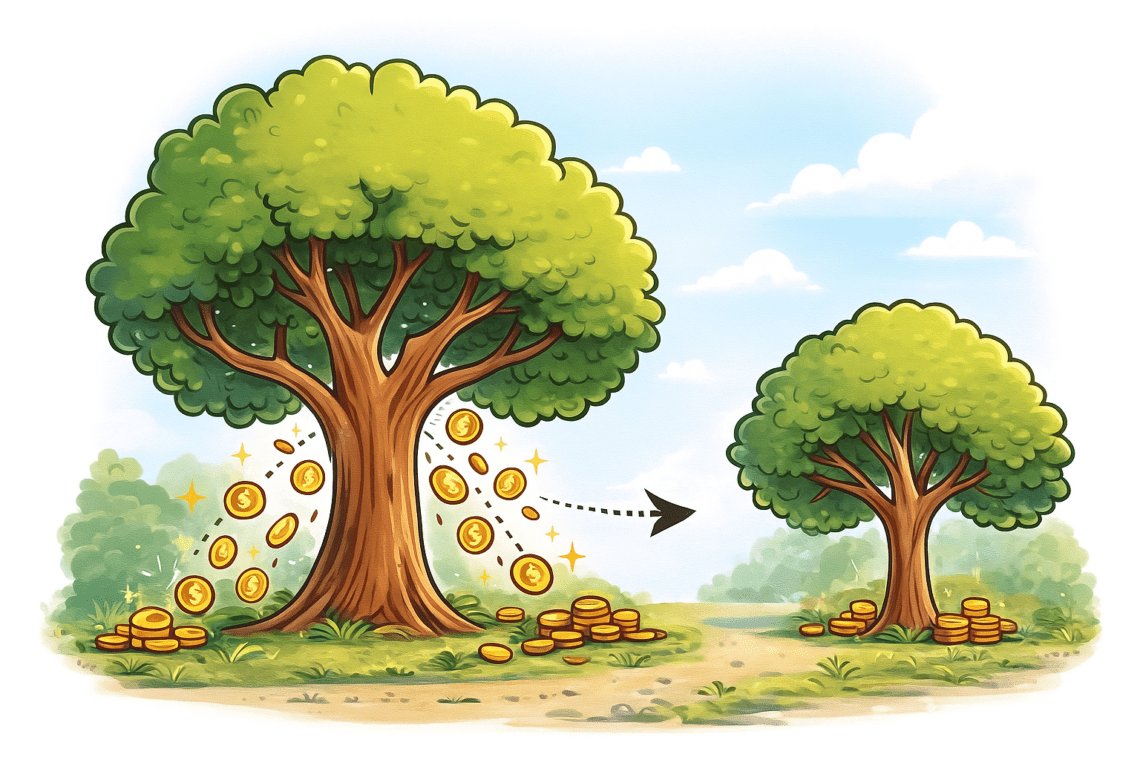
Understanding how different countries grow and trade is a bit like looking at two types of gardens: some gardens are already full of big trees and colorful flowers, while others are still growing their first plants and need more care. In economics we use the words developed markets and emerging markets to describe these gardens. Developed markets are like well‑established…
I know many of you must have heard this term called short selling. You may have tried listening to your friends talking about it but couldn’t understand it correctly or accurately. But don’t worry about all that now. You’ve come to the right place. Here, in this article, I’ll teach you exactly What is short selling? and how it works…
Investing can feel like a big game of building blocks. Companies grow, shrink and sometimes break apart to make new pieces. One interesting way they do this is called a spin‑off. Spin‑offs happen when a big company takes one part of itself and turns that part into a brand‑new company. Instead of selling the part to someone else, the big…