Table of Contents
Understanding Inflation
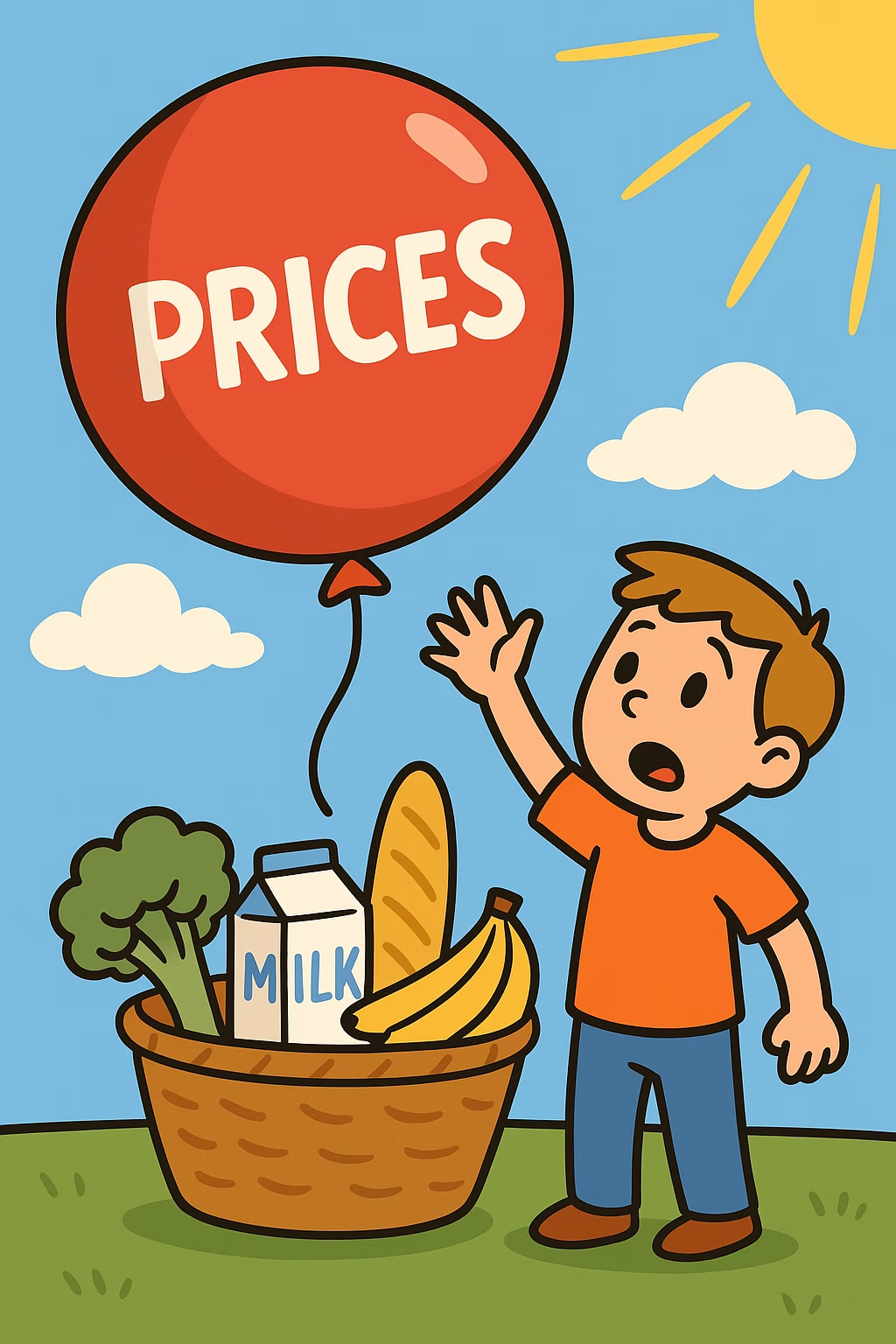
Inflation is a term you’ve probably heard on the news, and it might sound complicated. In simple words, inflation means that the prices of goods and services go up over time. The Federal Reserve explains that inflation is a general increase in the overall price level of goods and services, not just the price of one item federalreserve.gov.
When inflation happens, the same amount of money buys less than it did before, so your pocket money doesn’t stretch as far as it used to. Central banks like the U.S. Federal Reserve try to keep inflation low and stable—around 2 percent a year—because that helps families and businesses plan for the future federalreserve.gov.
Why does inflation happen?
There are many reasons why prices go up. Economists classify these causes into a few broad groups:
- Demand‑pull inflation – When lots of people want to buy goods or services and there aren’t enough of them, prices rise. The U.S. Bank notes that inflation can be driven by increased demand and supply shortages.
- Cost‑push inflation – When the cost of raw materials or labour goes up, companies charge more for their products. An example is when an oil shock raises the cost of fuel, which in turn raises the prices of many other items.
- Monetary factors – Central banks and governments can influence inflation through lower interest rates or extra money supply. If people expect prices to keep rising, they may ask for higher wages and increase prices in a cycle.
- Inflation expectations – The Peterson Foundation highlights that people’s and businesses’ expectations of future price rises can feed into contracts and wages, which makes inflation stick around.
These factors often occur together. For example, after the COVID‑19 pandemic, strong demand, supply‑chain problems and wars pushed inflation to its highest rate in 40 years. Once central banks raised interest rates and supply chains improved, inflation slowed back down, showing how policies and economic conditions affect price levels.
How is inflation measured?
To keep track of inflation, economists use price indexes—special baskets of items whose prices are checked regularly. The Consumer Price Index (CPI) measures how much prices paid by urban consumers change over time.
Inflation’s Effect on Your Money
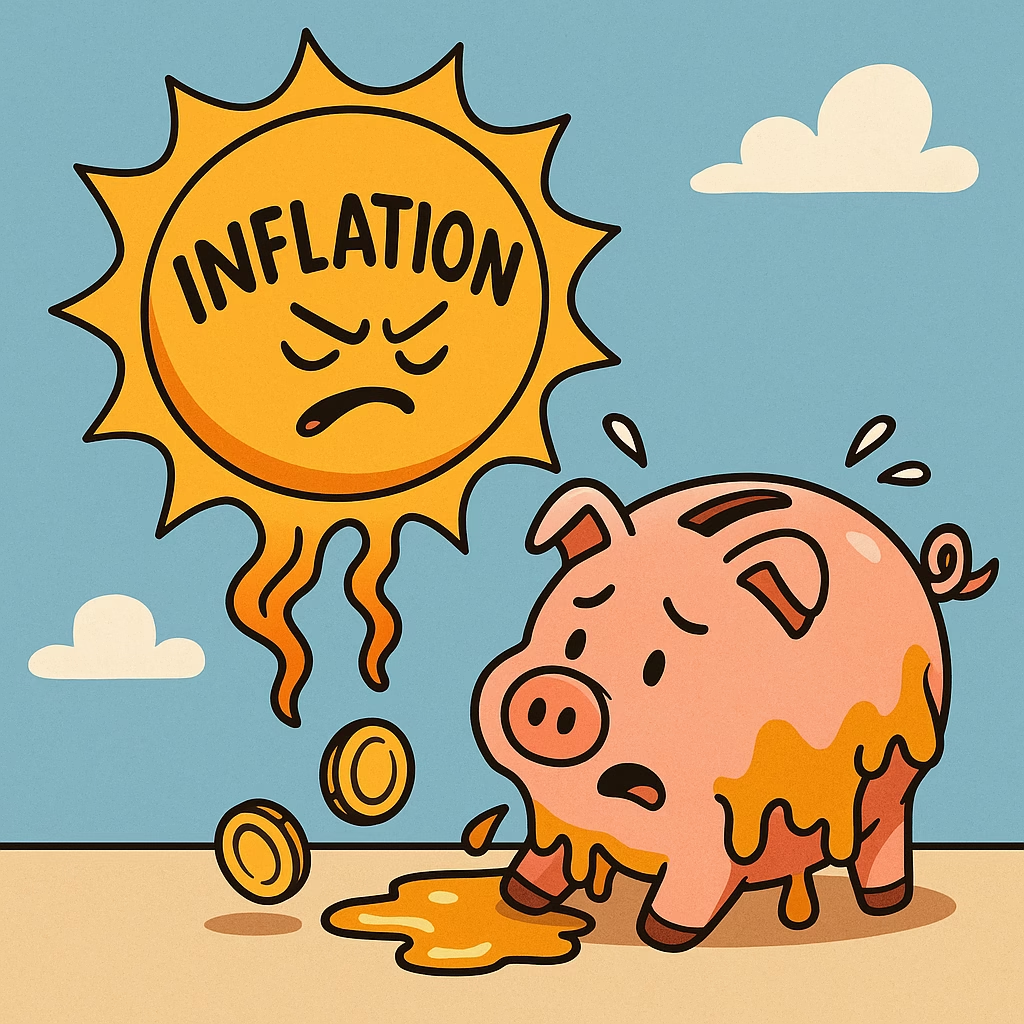
When prices go up, your money has less purchasing power. Suppose a carton of eggs cost $3.00 two years ago and costs $5.50 today—now your pocket money buys fewer eggs.
The PNC Bank explains that even if you keep money in a bank account, inflation can erode its value: when inflation is 3% and your savings account earns only 1%, your real purchasing power drops by about 2%.
Over time, the same balance will buy less, making it harder to reach financial goals pnc.com. That is why understanding inflation is so important for savers and investors.
How Inflation Affects Different Investments
Inflation doesn’t affect all investments in the same way. Let’s explore how different types of assets respond when prices rise. Remember, we’re keeping our explanations clear so that even young readers can follow along.
Cash and savings
Cash in your wallet or a basic savings account doesn’t earn much interest. Because inflation lowers the value of money, keeping lots of cash means losing purchasing power over time. U.S. Bank warns that inflation can shrink your savings even if you have a typical interest‑bearing account usbank.com. The PNC Bank notes that to keep up with inflation, you should look for high‑yield savings or money market accounts and consider diversifying into other investments.
Bonds (fixed‑income investments)
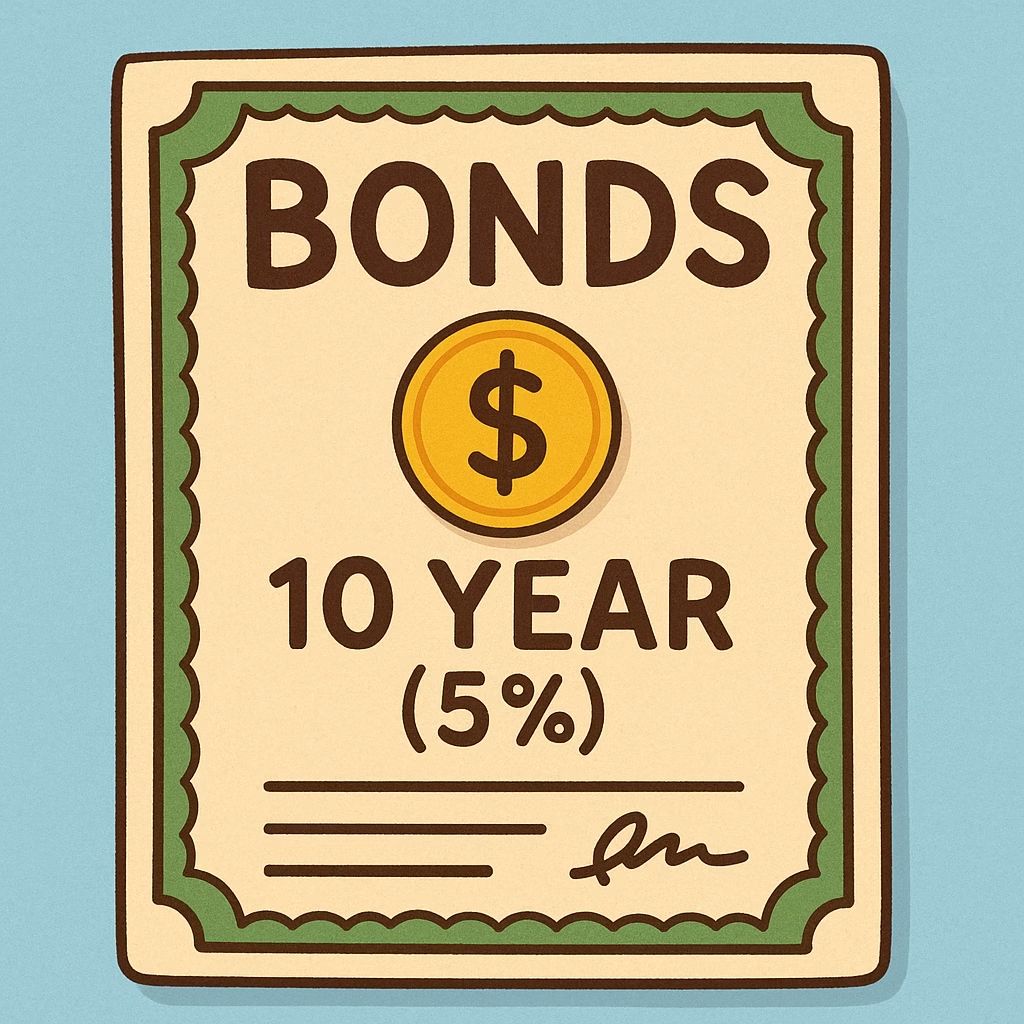
Bonds are loans you give to companies or governments, and they pay you interest. Inflation is a problem for bonds because the interest payments are fixed. When prices rise, those fixed payments buy less. Inflation can significantly reduce the real returns on bonds and that bond prices tend to fall when inflation is rising usbank.com.
For example, an investor earning a 5% nominal interest rate on a one‑year bond will only have a real return of about 2% when inflation is 3%; the principal’s purchasing power will fall from $1,000 to around $970.
Stocks (shares in companies)
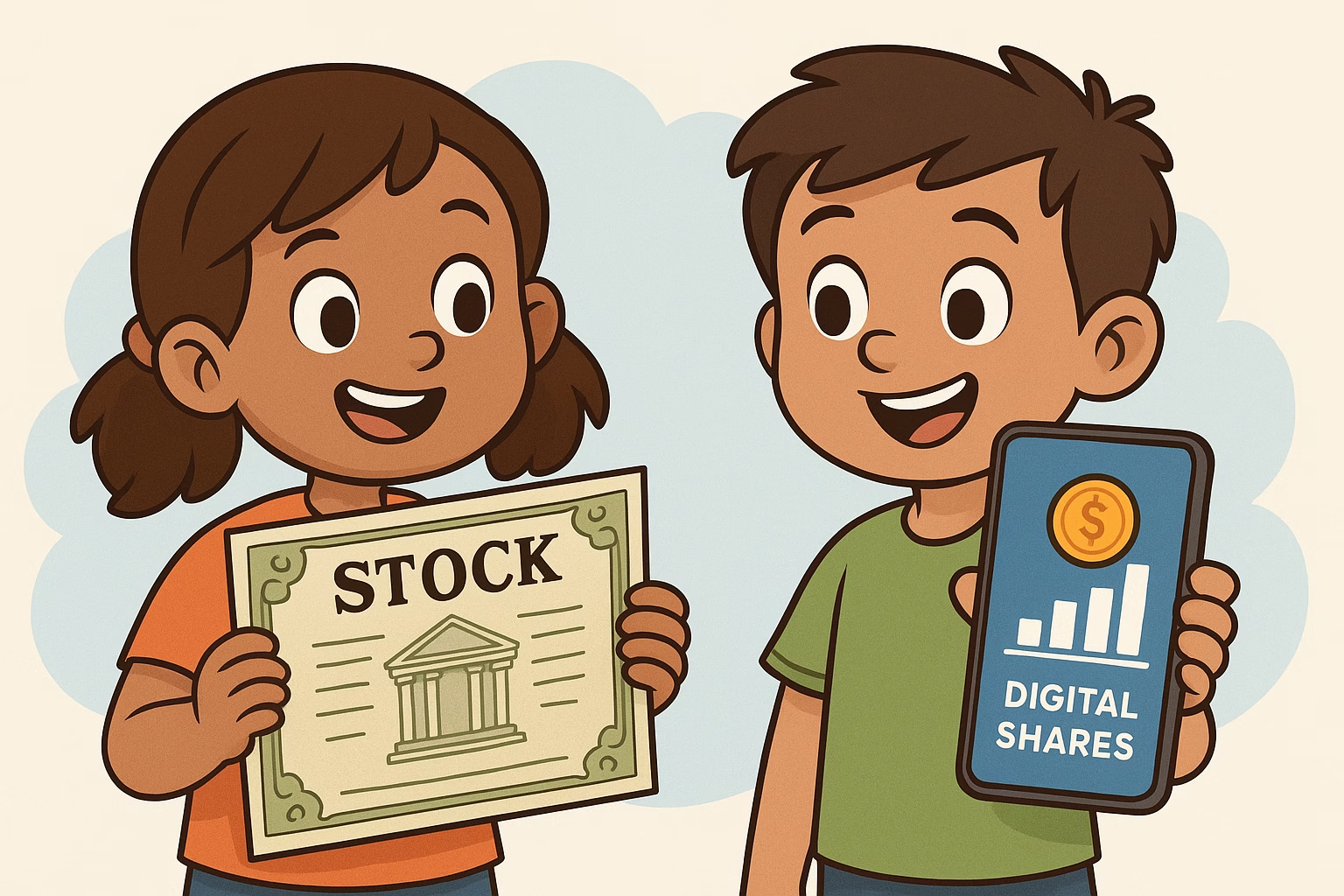
Stock prices represent ownership in companies. In theory, companies can raise their prices to keep up with inflation, so their revenues and earnings may increase at a similar rate. However, high inflation can still reduce nominal returns, because costs such as wages and materials also rise.
If your stock portfolio earns 5% but inflation is 6%, your real return is –1%, meaning you are effectively losing purchasing power. The U.S. Bank notes that value stocks (shares in companies believed to be undervalued) tend to perform better than growth stocks when inflation is high.
Real estate
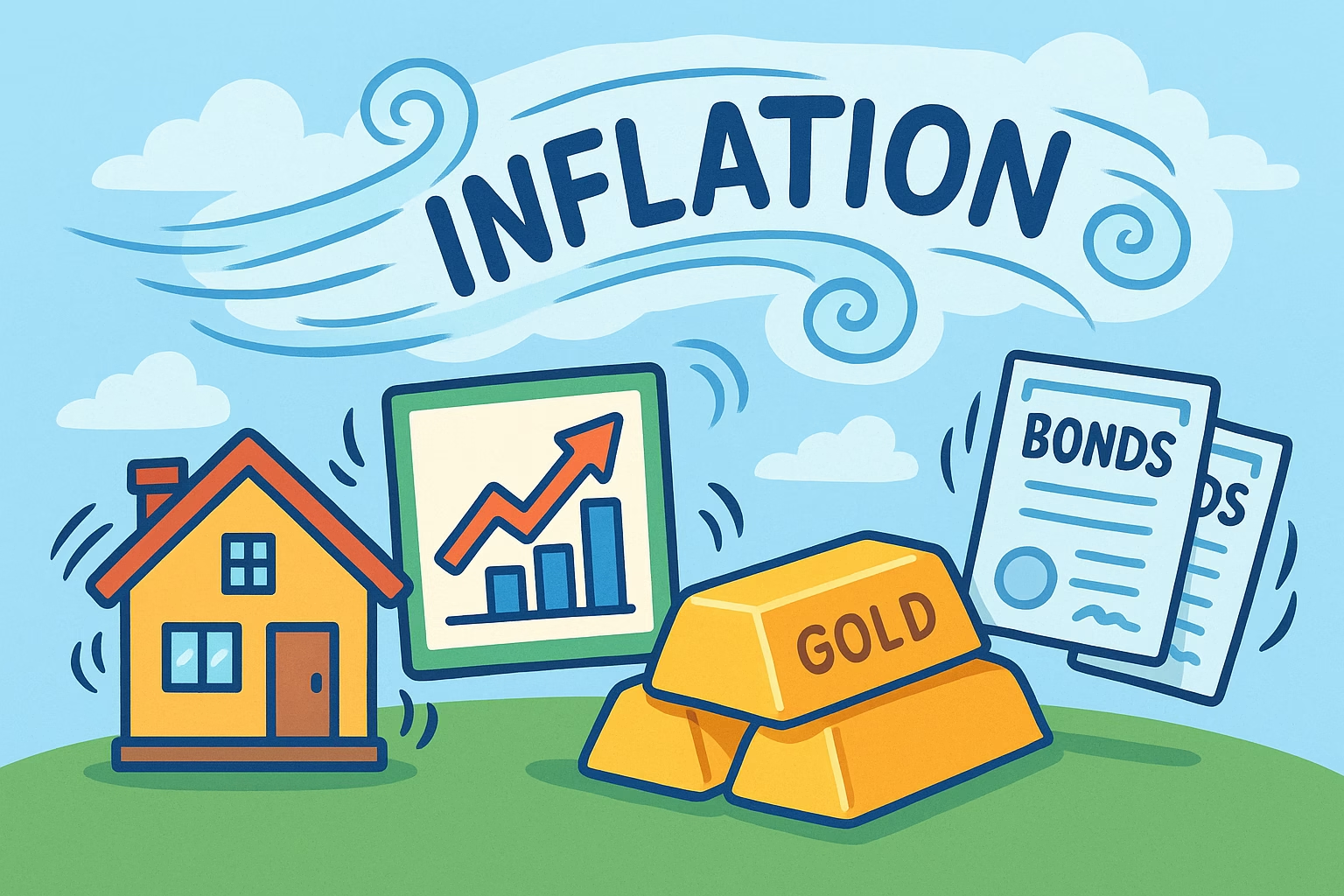
Real estate—such as rental properties—often acts differently under inflation. Many leases include inflation‑linked rent escalations, allowing rental income to keep pace with rising prices jpmorgan.com. Property owners with shorter leases can renegotiate rents, but those without inflation protection may see rent growth lag behind inflation.
On the other hand, operating expenses like materials and maintenance also rise with inflation, which can reduce cash flow and returns if these costs grow faster than rent. High inflation can also influence property values, as higher interest rates and eroding income can lower what buyers are willing to pay. For new construction, rising materials costs may limit new supply, sometimes supporting higher rents jpmorgan.com.
Commodities and precious metals
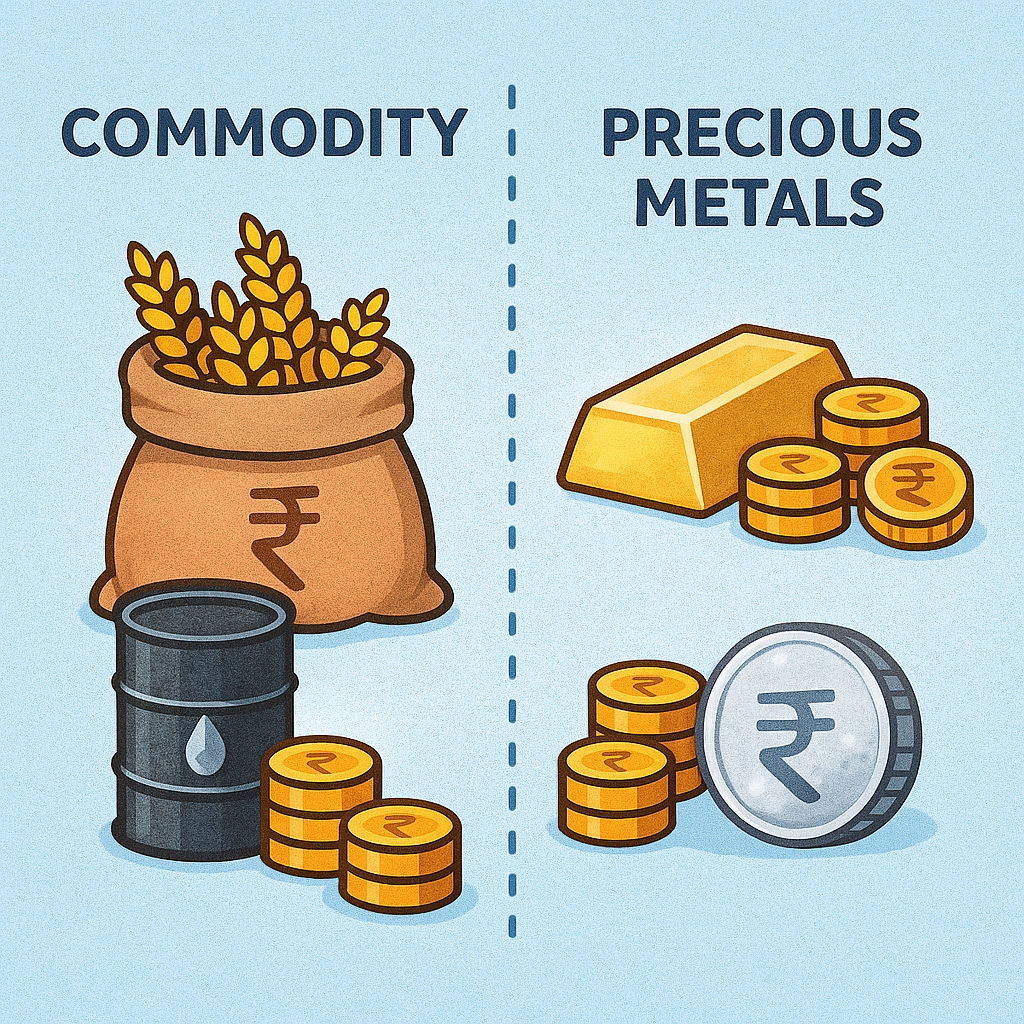
Commodities include items like oil, wheat and metals. When inflation rises, the prices of these raw materials often rise too. U.S. Bank explains that real assets such as commodities and real estate tend to have a positive relationship with inflation.
Energy‑related commodities like oil and metals usually gain value during periods of rising inflation usbank.com.
However, commodities can be volatile, they do not produce income, and over long periods they have historically underperformed stocks and bonds. Gold is often considered a hedge against inflation because its price sometimes rises when the value of currency falls; nevertheless, it can still fluctuate and does not generate interest.
Protecting Your Money from Inflation
Even though inflation is beyond any one person’s control, there are smart steps you can take to protect your savings and investments.
Choose the right saving products
Instead of keeping all your money in a low‑interest account, consider high‑yield savings or money market accounts. These accounts often pay more interest, helping your savings keep up with rising prices. Fixed deposits (FDs) lock in a fixed rate, which might be helpful if interest rates are high but can lag behind if rates keep rising.
Diversify your investments
Putting all your money in one type of investment is like putting all your eggs in one basket. Diversification means spreading your money across stocks, bonds, real estate and commodities, which can help manage the risks associated with inflation. Both U.S. Bank and PNC recommend diversification to balance risk and return pnc.com. If inflation hurts one asset, another might hold its value or even grow.
Invest for the long term
Short‑term price swings can be scary, but staying invested over many years gives your money time to grow. Stocks and real estate have historically outpaced inflation over the long term. Keeping a long‑term perspective and regularly reviewing your investment plan can help you stay on track.
Watch central bank policies
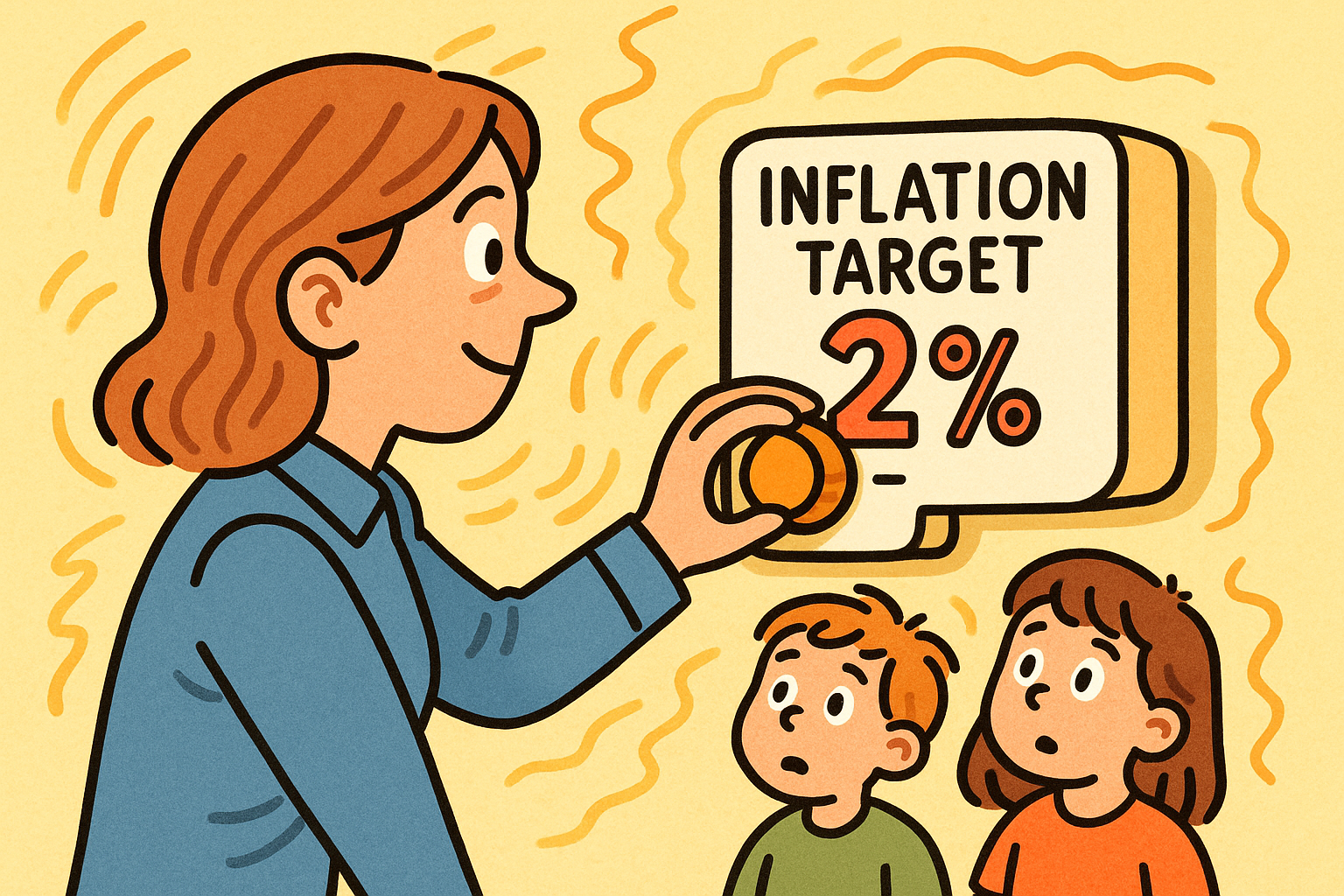
Central banks aim to keep inflation low and stable, which helps everyone plan. The Federal Reserve targets about 2 percent inflation because that level balances healthy economic growth with stable prices federalreserve.gov. By understanding that policymakers adjust interest rates to influence inflation, investors can better anticipate changes in borrowing costs and plan accordingly.
Simple Tips for Kids Learning About Inflation
- Notice prices when shopping – Compare the cost of your favorite snack this year with last year.
- Save and invest wisely – Putting money in a piggy bank is good, but learning about high‑interest accounts and investments helps your savings grow.
- Ask questions – Inflation can be tricky, so talk to adults about how they manage money.
- Stay curious – Learning about the economy today will help you make smart decisions when you’re older.
Conclusion
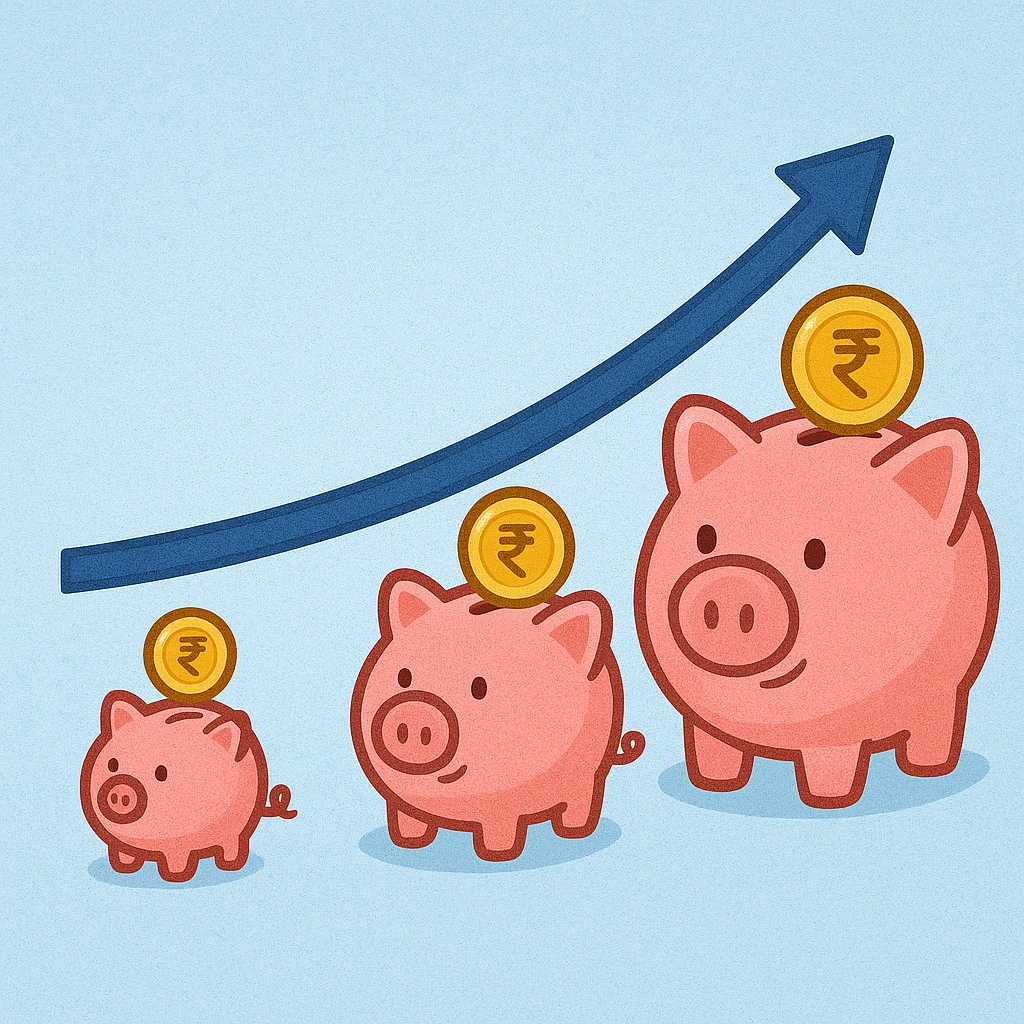
Inflation affects everyone because it changes how far our money goes. It happens when there’s too much demand for goods, when production costs rise, or when people expect prices to go up. We measure inflation through price indexes like the CPI, and central banks aim to keep it around 2 percent.
Rising prices can erode the value of savings and lower real returns on bonds and stocks. However, real assets like real estate and commodities sometimes hold their value, and diversification across different investments can help protect your portfolio.
By choosing the right saving products, considering inflation‑protected securities, and staying invested for the long term, you can keep your purchasing power strong. Understanding inflation today—through simple examples and friendly illustrations—sets the foundation for smarter financial choices tomorrow.
If You Liked This Article, Then You Might Also Like This –
Risk vs Reward in Stock Market Investing: A Kid‑Friendly Guide