Table of Contents
So, What is Value Investing ?
Well, before that let’s first understand what is Investing ?
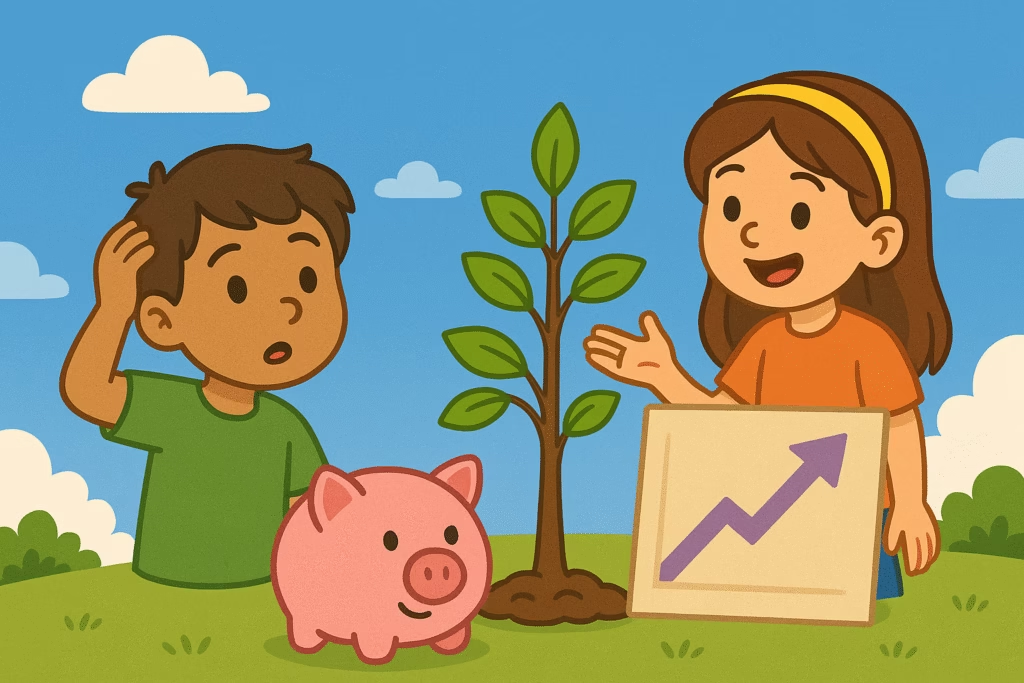
Investing means using your money to make more money over time. It’s like planting a seed and waiting for it to grow into a big plant. For example, if you spend $1 on supplies to run a lemonade stand and later earn $2 from selling lemonade, you have invested $1 and made $2. You gave a little to get a lot later.
People invest by buying parts of companies (stocks) or saving money where it can earn interest. They invest to grow their savings for things like college, a new bike, or a big goal in the future. When a child buys lemonade supplies hoping to earn more by selling, that’s a simple form of investing.
A lemonade stand is a fun way kids can learn investing. You start with a few coins (seed money) and hope it grows. As Investopedia explains, investing is often very long-term – like buying a stock and holding it for many years. This means you buy something good today and plan to keep it for a long time, trusting it will be worth more later.
- Why invest? To grow your money instead of just saving it. You might invest to pay for college, a car, or a house someday. You might also invest to help a business you believe in.
- How do people invest? Often by buying a share of a company (a stock), or putting money into a fund. Over time, if the company does well, your share is worth more.
What Is Value Investing?
Value investing is a special way of investing. It means buying shares of companies that are good and strong (high quality) but whose price is fair or low – like finding a great toy on sale. Value investors think the price will go up once other people realize the company is good. Then they sell for a profit. Warren Buffett is a legendary value investor. As Investopedia says, Buffett is a “true value investor” who looks for solid companies that are underpriced, and he holds them for a long time investopedia.com.
- Good companies at fair prices: Buffett prefers to buy “wonderful companies at fair prices,” not cheap companies that aren’t so great. For example, he likes companies that have been around a long time or have a favorite product (like Coca-Cola).
- Think long-term: He believes in holding investments “forever” and being patient. He once said, “If you aren’t willing to own a stock for 10 years, don’t even think about owning it for 10 minutes.”. This means he only buys if he plans to keep it for a very long time.
- Understand what you buy: Buffett only invests in businesses he understands. He said you should stick to what you know (your “circle of competence”)investopedia.com. If you understand how a toy factory makes money, it’s safer to invest in that factory than in something confusing.
In short, value investing is like shopping for a great toy that’s on sale: you pick something you really like, you know it’s good, and you plan to hold onto it because it will be even more fun (valuable) later.
Who Is Warren Buffett?
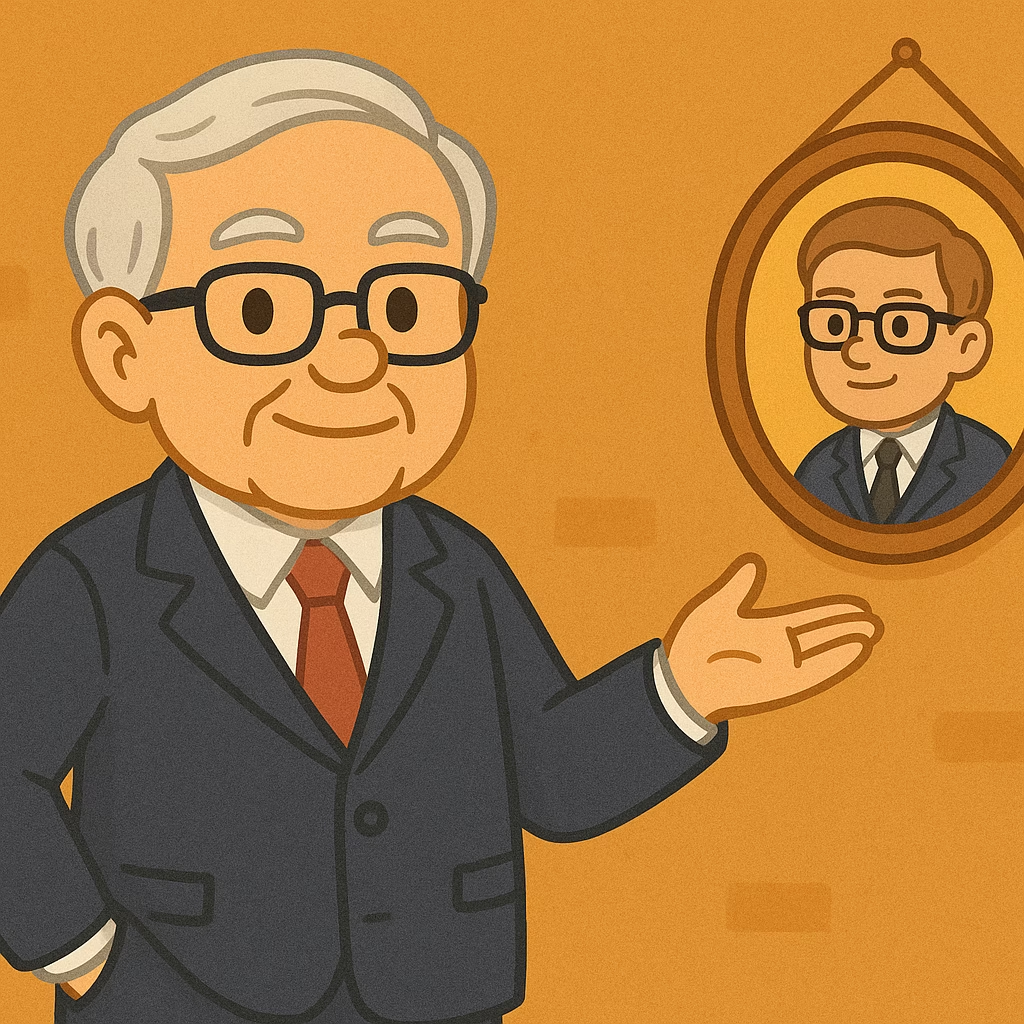
Warren Buffett is a famous American investor born in 1930 in Omaha, Nebraska. People call him the “Oracle of Omaha” because he is like a wise money teacher. Even as a boy, Warren loved business and money. When he was six, he sold packs of gum for a small profit.
By age 11, he bought his first stock in a company. At 14, he took money he earned from his paper route and soft-drink stand and bought 40 acres of land to rent out. Those early deals grew into a lifelong habit of investing wisely.
Buffett studied under Benjamin Graham, the father of value investing investopedia.com. He turned a struggling textile factory called Berkshire Hathaway into a giant holding company. Over the decades he made brilliant choices — buying parts of companies like Coca-Cola, Apple, and Dairy Queen — and became one of the richest people in the world. But he still lives simply (he likes his old house and drives an ordinary car) and he’s known for giving most of his fortune to charity.
Fun facts: Buffett has said he loves cherry soda (he once bought Coca-Cola shares because he loves Coke). He also loves to read and learn, spending many hours on books every day. He is often cheerful, giving interviews with jokes. Every year, thousands of people (grown-ups) come to Omaha just to listen to him speak at his company’s meeting — they call it “Woodstock for Capitalists!”
Buffett’s Investing Ideas
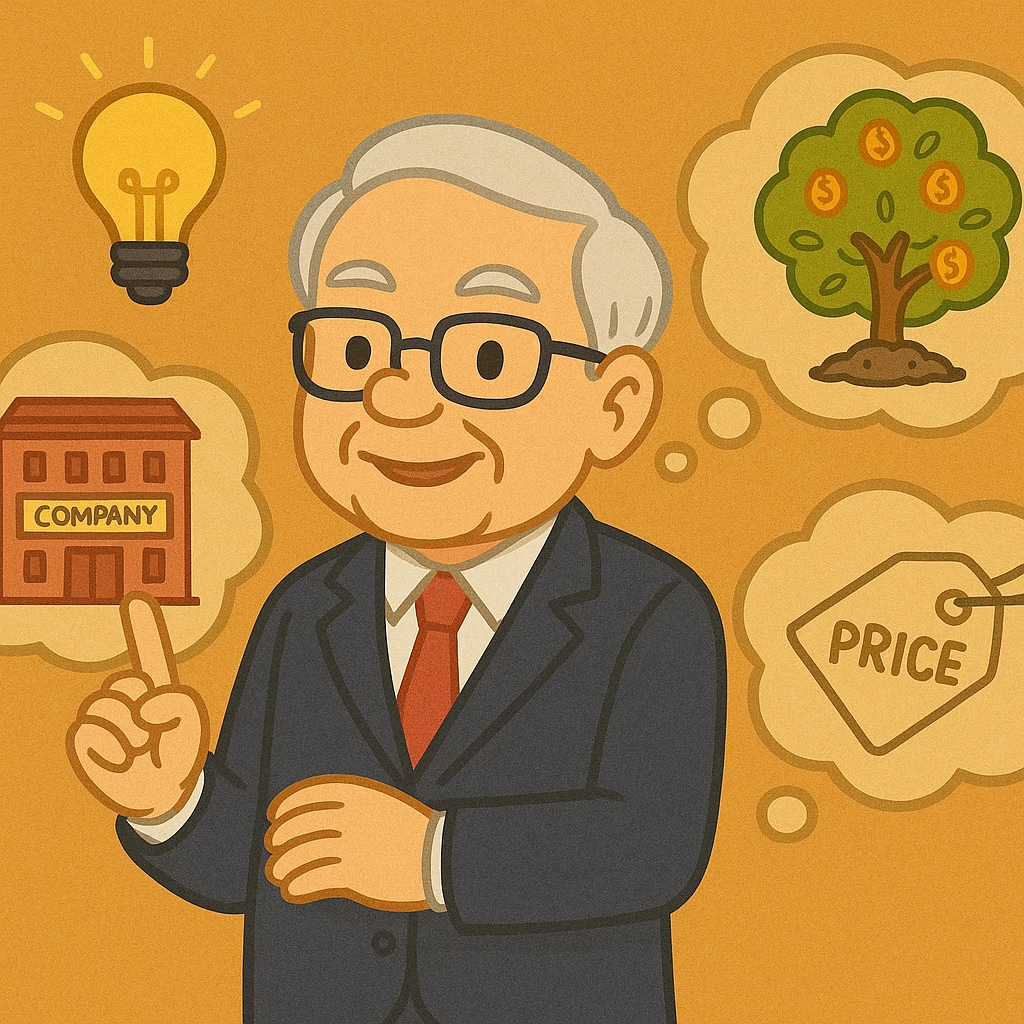
Warren Buffett’s success comes from a few simple rules. Here are the core ideas of his strategy:
- Buy businesses, not bets: Buffett treats buying stock like buying a part of a real business. He picks companies with good products (like snack foods, or insurance, or tech gadgets) and buys their stock because those businesses will keep making money. He ignores things like stock market “fads” or hot tips. As Investopedia says, Buffett buys quality businesses and holds them forever.
- Never rush – be patient: Buffett is famous for being super patient. He once said the stock market is “a device for transferring money from the impatient to the patient.” That means if you panic and sell quickly, you usually lose money. If you stay calm and wait, you usually earn money. He treats investing like planting trees – you need to wait for them to grow big.
- Only invest what you understand: Always stick to what you can explain. Buffett advises, “only invest in what you truly understand.”. For example, if your friend has a toy factory, you might understand how toys are made and sold. That could be a safe choice. But if you have no clue how video games are created, Buffett would say it’s too risky to invest in that.
- Look for bargains: He likes to buy companies when their stock price is lower than what they are truly worth (on sale). This concept is called margin of safety. It’s like buying a high-quality toy on clearance. You get something good for a lower price. Buffett said there are “good companies that are on sale for a low price” – and those can be great investments.
- Think long-term: Buffett’s favorite holding period is “forever”. He holds onto his favorite stocks for years and years. For example, he held Coca-Cola stock for decades because he believed in the company and had patience. He advises, “If you aren’t willing to own a stock for 10 years, don’t even think about owning it for 10 minutes.”. In other words, invest only if you plan to be patient.
These ideas can be summarized in simple tips: Buy and hold good companies. Avoid hype. Stay calm and patient. Only buy what you understand.
Simple Stories: Investing in Everyday Life
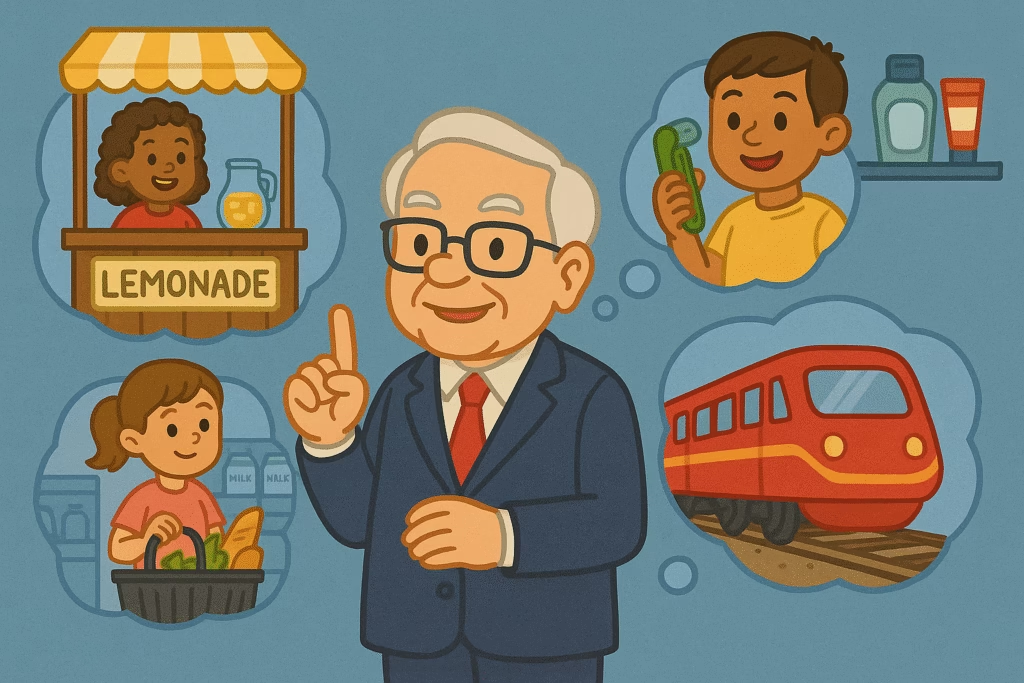
It helps to imagine investing through familiar examples:
Lemonade Stand: Imagine a kid setting up a lemonade stand on a hot day. She spends money on lemons, sugar, cups (that’s her investment). Later she sells lots of lemonade and makes a profit. That profit is her reward for investing. In real life, people “plant” money in businesses hoping it will grow.
As a child’s encyclopedia explains, investing is like planting a seed and waiting for it to become a big plant. The lemonade stand seed grows into a money tree. Warren Buffett would smile at this example – he started small, too, and then grew his money by making wise choices.
Piggy Bank vs. Toy Store: A child might save coins in a piggy bank for the future. That’s good, but Buffett points out a trick: instead of just saving, you can invest so your money grows. For example, suppose you save $10 in your piggy bank. Or you take that $10 to help open a small toy store with a friend.
Over time, if the toy store sells well, you might get $15 back instead of $10. That extra $5 is from investing. Buffett says the stock market rewards people who wait patiently. The impatient (just running the stand and taking small gains) transfer money to the patient (who invest and wait). Being patient and letting your money work is key to his approach.
Planting a Tree: Think of your money like a tiny seedling. If you plant it and water it (save and invest), it will grow into a big tree in many years. Buffett treats investments the same way. He holds onto his stocks for years, letting the money grow slowly. He famously said that if he thinks the market might close for five years, he wouldn’t worry – he’d hold on to the stock anyway investopedia.com. In other words, he thinks long-term.
Money Tree: Good investments can make your money grow in a similar way. Buffett built his fortune by being patient and letting time do the work. He explained that he “built a [huge] empire by doing almost the exact opposite” of chasing quick tricks – instead, he bought good stocks at fair prices and let them grow while he did other things. Over years, those coins multiply, just like fruit on a healthy tree.
Buffett’s Memorable Quotes
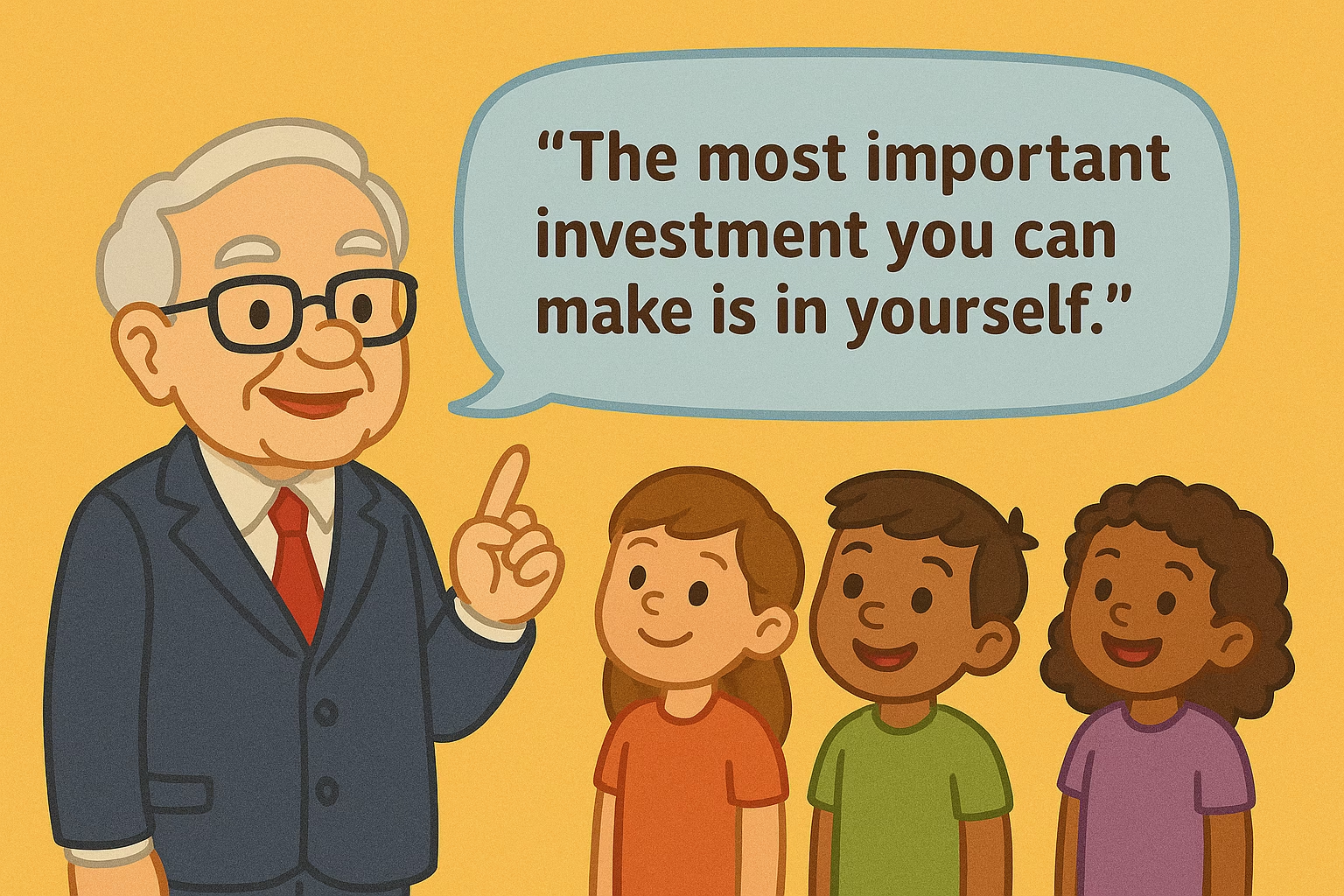
Buffett is known for saying things that are easy to remember. Here are a couple he’s shared, with what they mean:
- “The stock market is a device for transferring money from the impatient to the patient.” In other words, if you rush around and sell at the first sign of trouble, you usually lose. But if you are patient and hold onto good investments, you usually win.
- “If you aren’t willing to own a stock for 10 years, don’t even think about owning it for 10 minutes.” This reminds us to think long-term. Before buying something, imagine yourself still owning it many years later. If that idea scares you, maybe you shouldn’t buy it.
Buffett also quips that “Price is what you pay, value is what you get,” and “Only when the tide goes out do you discover who’s been swimming naked.” (These mean not to pay more than something is worth and that bad choices are revealed in hard times). Though kids might not memorize those, the idea is simple: Think about real value, not just flashy price tags.
Summary of Key Points
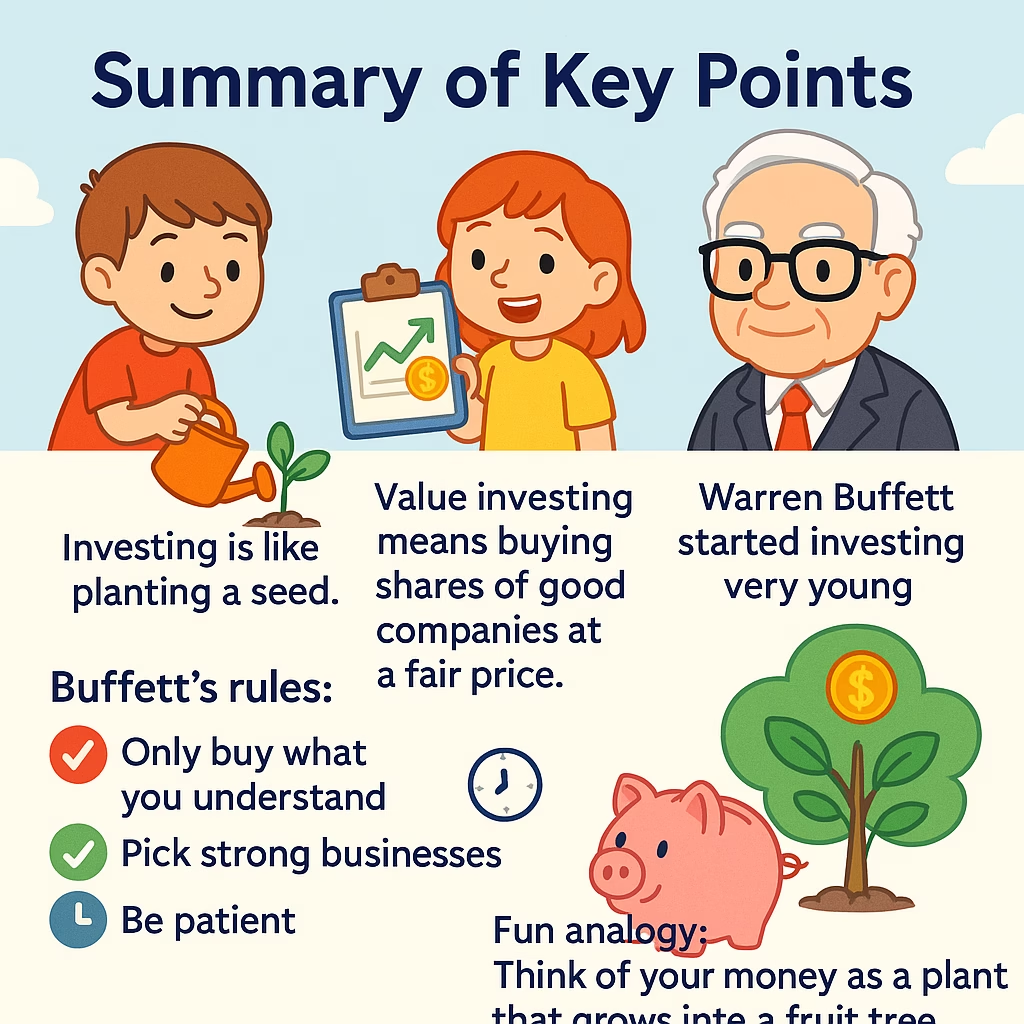
- Investing is like planting a seed. You use money now so it can grow into more money later kids.kiddle.co.
- Value investing means buying shares of good companies when they are on sale (fair price) and being ready to keep them for a long time.
- Warren Buffett started investing very young (first stock at 11) and became famous by always focusing on quality and patience.
- Buffett’s rules: Only buy what you understand. Pick strong businesses. Be patient (hold for years). Don’t chase fads.
- Fun analogy: Think of your money as a plant that grows into a fruit tree or piggy bank. The longer you nurture it with smart investments, the more it can grow.
By following these simple ideas—investing early, saving wisely, and being patient—you can grow your own savings over time. Just like planting seeds and waiting for trees, value investing with Buffett’s approach can help your money bloom.
If You Liked This Article, Then You Might Also Like This One
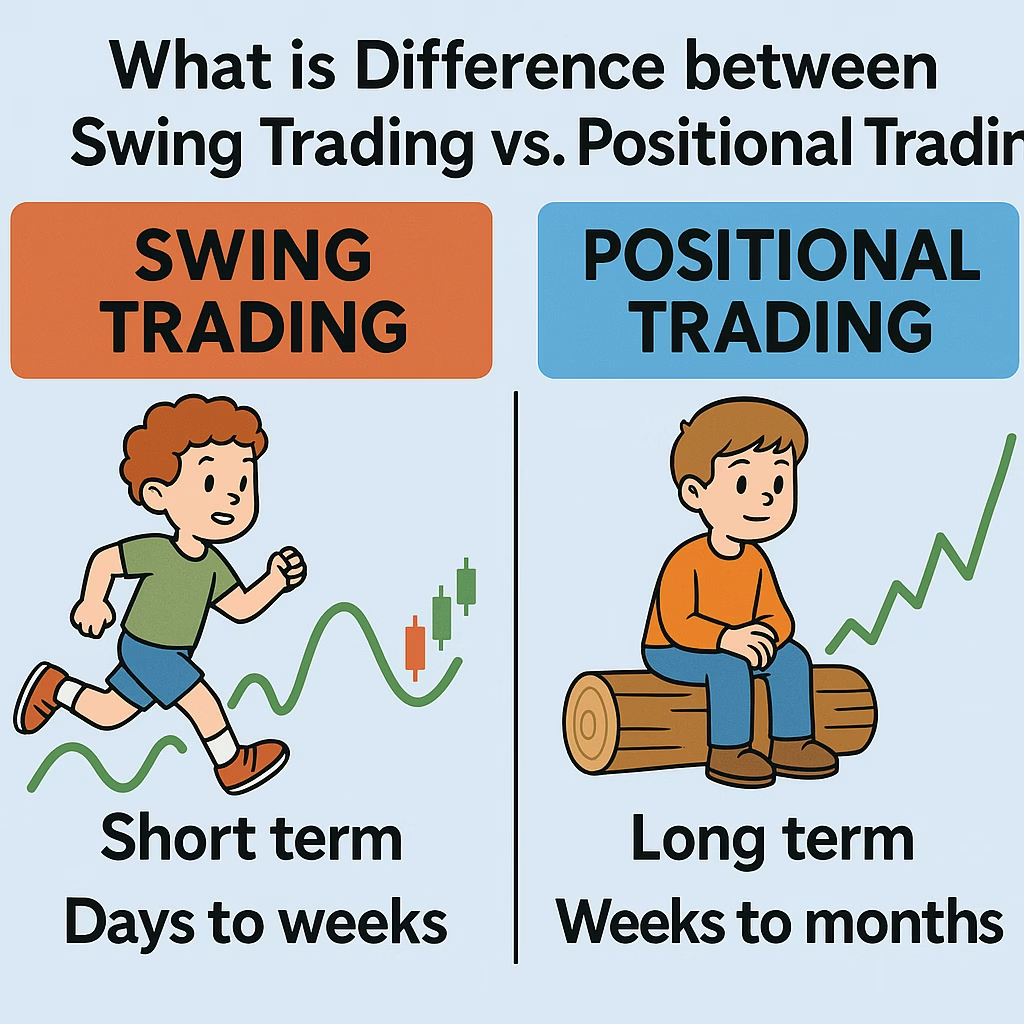
What is the Difference between Swing Trading vs Positional Trading ?