Table of Contents
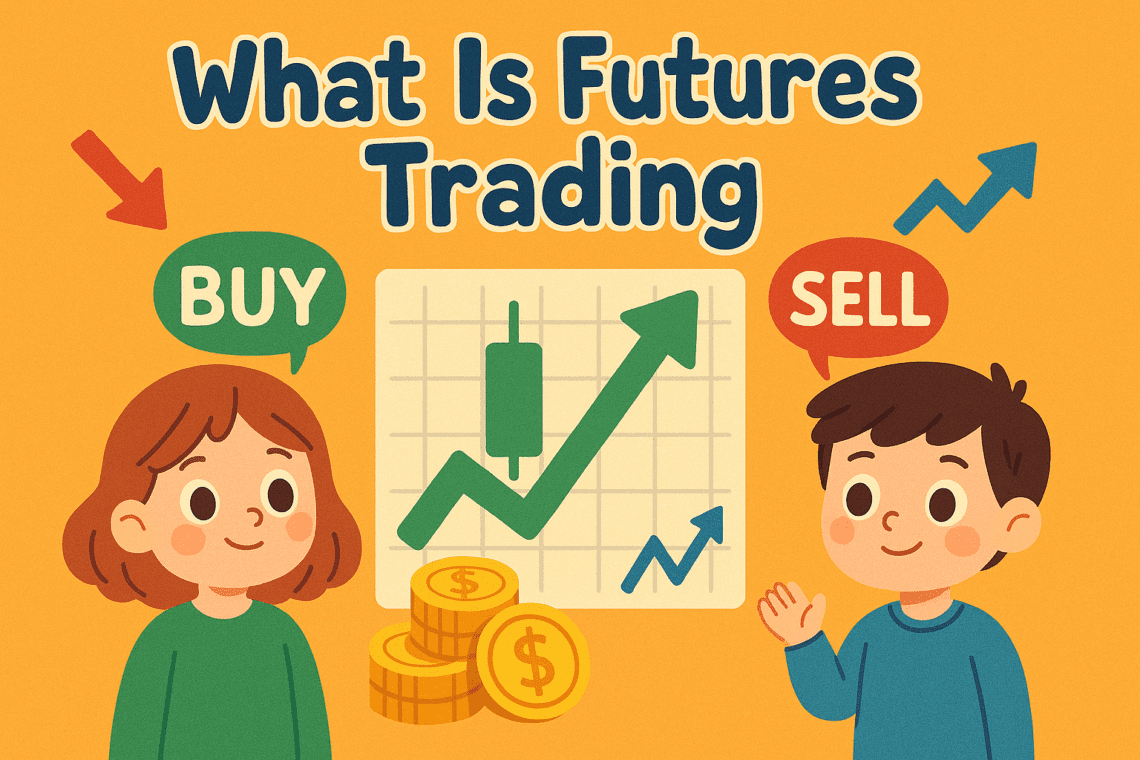
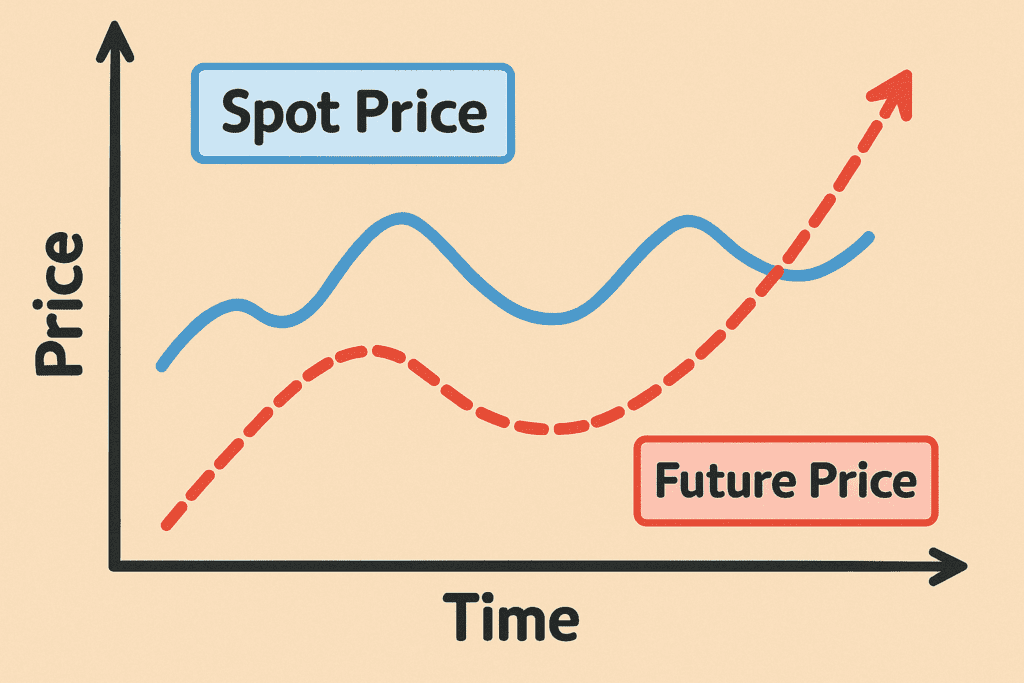
Futures trading can sound complicated, but it doesn’t have to be scary. Imagine making a promise today to buy or sell something later at a price that you both agree on now. That, in a nutshell, is what a futures contract does.
In this article, we’ll break down the basics of futures trading using simple words, colorful examples from both India and the United States, and cartoon illustrations to help you picture what’s going on. Whether you’re curious about farming in Punjab or tech stocks in New York, this guide will help you understand how futures work and why people use them.
Understanding the Futures Contract
A promise for the future
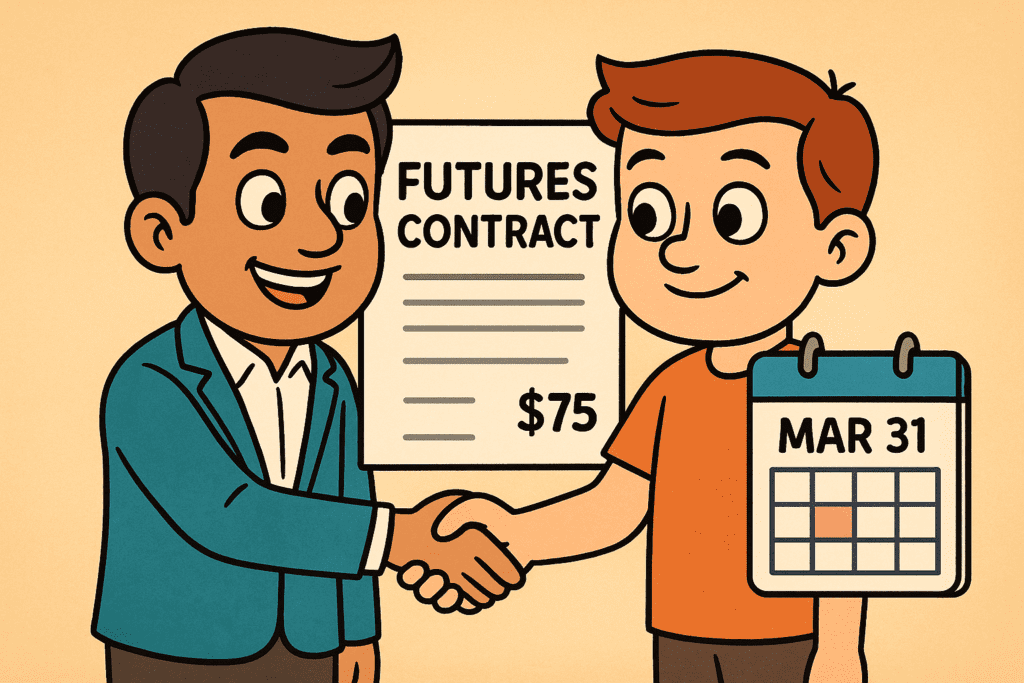
Think of a futures contract like an agreement in which two people decide today what price they’ll trade something at in the future.
According to kid‑friendly financial site EasyPeasyFinance,
Futures are derivative contracts that obligate both parties to buy or sell an underlying asset at a fixed future date (the expiration date) and a predetermined price. The underlying asset could be a commodity such as gold or oil, or a financial instrument like stocks, bonds or currencies. easypeasyfinance.com.
Because futures contracts are standardized by exchanges, they specify the quantity and quality of the asset so that everyone trades the same product. For example, an oil futures contract might promise 1 000 barrels of oil for US$75 per barrel on a certain date.
Why standardization matters
Standardization means that every contract for a particular commodity looks the same. In India, the National Stock Exchange (NSE) lists contracts for things like NIFTY index futures.
In the United States, the Chicago Mercantile Exchange (CME) trades contracts on the S&P 500 index and commodities like corn and oil. Because each contract is the same size and quality, traders can easily buy and sell them on an exchange without negotiating the details each time. This makes futures trading more liquid and accessible.
Assets you can trade

Futures contracts aren’t just for wheat or oil; they cover a wide range of assets. The Groww investing platform notes that underlying assets include physical commodities such as grains, metals and energy products, as well as financial instruments like stock indexes, currencies and bonds. groww.in Types of futures contracts include:
- Commodity futures – on crops like corn, wheat and cotton; energy products like crude oil and natural gas; and metals like gold and silver.
- Financial futures – on stock indexes (e.g., NIFTY in India or the S&P 500 in the USA), interest rates and currencies.
- Livestock and agricultural futures – covering cattle, hogs and other farm products.
Why Do People Use Futures?
People get involved in futures trading for two big reasons: speculation and hedging. Let’s explore what each means.
Speculation – guessing the future price
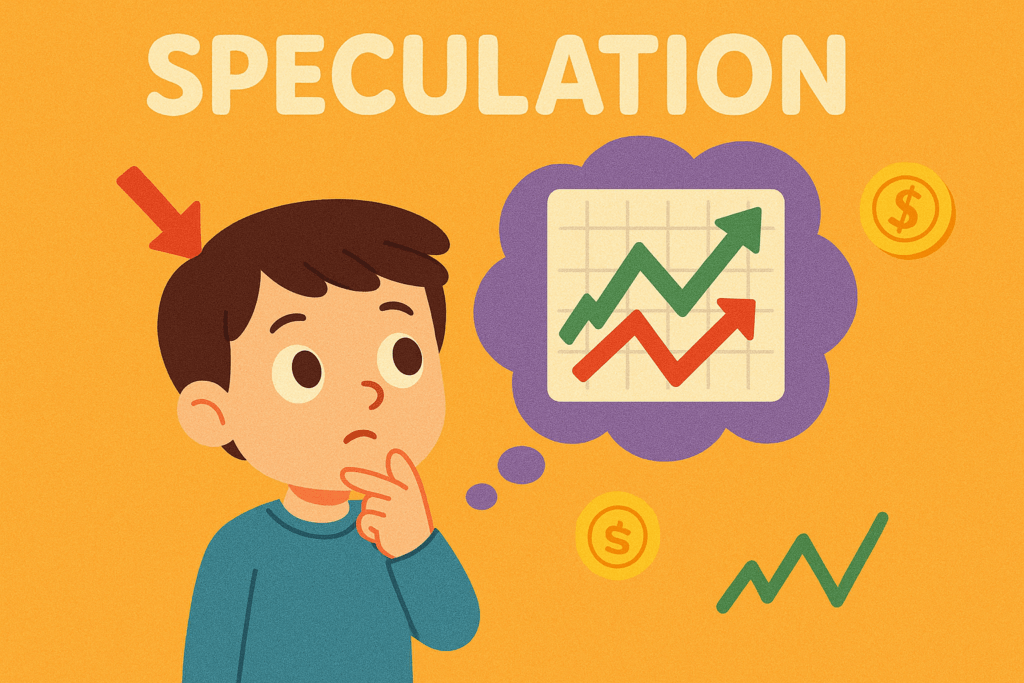
Speculators buy and sell futures contracts because they think the price of the underlying asset will go up or down. The EasyPeasyFinance article explains that speculators aim to sell a contract later for more than they paid.
They do not intend to take delivery of the commodity; instead, they settle the difference through their brokerage accounts. These traders rely on predictions about market movements. For example, in the USA a trader might believe that technology stocks will rise after companies report strong earnings, so they buy a Nasdaq 100 index futures contract. If the index goes up, they can sell the contract for a profit.
Hedging – protecting against price swings
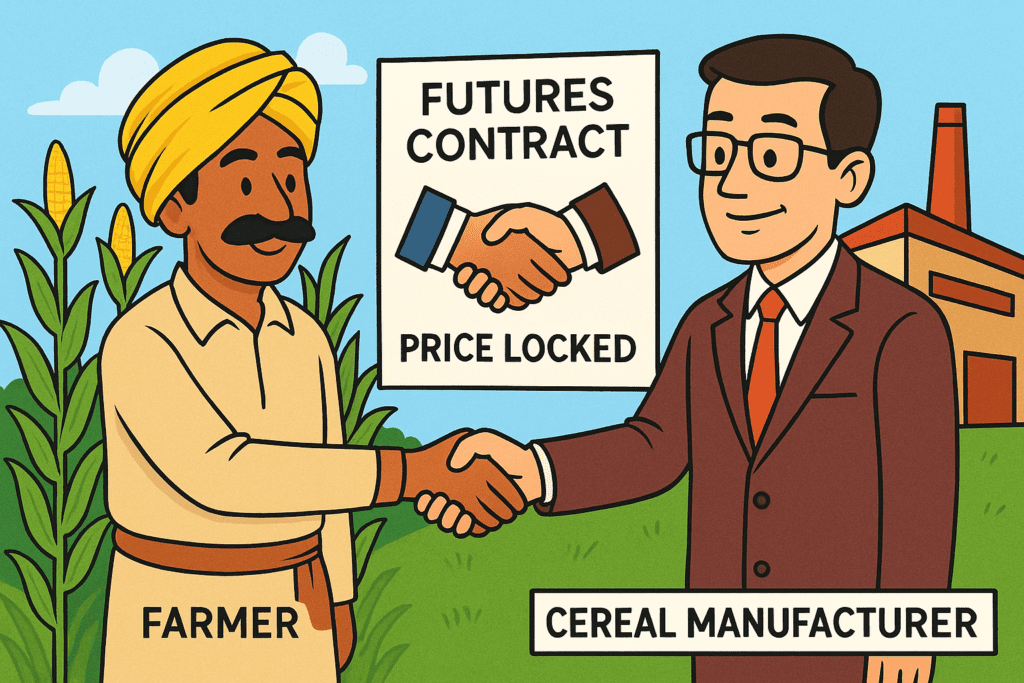
Hedgers are more like farmers or business owners who want to protect themselves from price changes. EasyPeasyFinance points out that hedgers use futures to reduce risk by locking in prices. easypeasyfinance.com
A corn farmer in Punjab might worry that the price of corn will fall by the time he harvests his crop. To protect himself, he can agree to sell corn at a fixed price through a futures contract.
When harvest time comes, if market prices have dropped, the farmer will still receive the agreed‑upon price. In the United States, processors like cereal manufacturers use similar hedging techniques to fix their costs. Charles Schwab’s educational article explains that a grain processor might buy corn futures to protect against a summer drought that could send prices soaring.
Real‑world examples
To make these ideas concrete, let’s look at some simple examples from India and the USA:
- Indian stock futures: Bajaj Finserv describes a case where a trader agrees to buy 100 shares of ABC Industries at ₹2 500 per share. If the price rises to ₹2 600 by the contract’s expiration, the trader earns ₹100 per share (₹10 000 total). If the price falls to ₹2 400, the trader loses the same amount. Both buyer and seller must settle the contract.
- Corn hedging in the USA: Schwab’s article tells of a grain producer who fears that corn prices will drop before harvest. The farmer sells a December corn futures contract at $5 per bushel. Each contract represents 5 000 bushels, so the notional value is $25 000. When prices fall to $4.50 per bushel, the farmer buys back the contract, earning $2 500. This gain helps offset the lower cash price received for the physical corn.
- Micro E‑mini S&P 500 futures: A short‑term trader may believe the S&P 500 index will rise, so they buy a Micro E‑mini S&P 500 futures contract at 5 000 index points. Each point is worth $5. If the index rises to 5 050, the trader gains 50 points × $5 = $250. If the index falls, the same amount is lost.
These examples show how futures can be used for speculation (betting on price changes) or hedging (protecting against price swings) in both India and the USA.
How Are Futures Traded?
Standardized contracts and exchanges
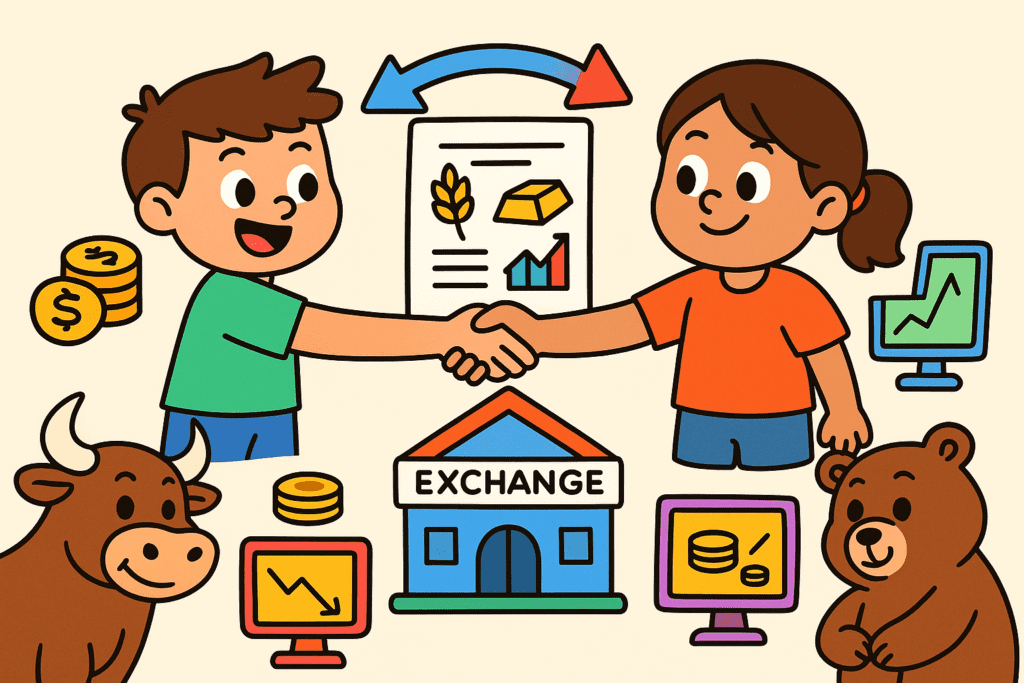
Futures trading happens on regulated exchanges. Investors and businesses don’t negotiate each contract from scratch; instead, each contract is standardized by the exchange. This means that it specifies the quality and quantity of the asset, the price quotation method, the expiration date and the minimum price movement (tick size).
Almost all futures contracts list the grade and quantity of the asset, the type of pricing, the expiration date, and whether delivery is required. schwab.com For instance, the E‑mini S&P 500 futures contract has a contract size of $50 times the S&P 500 index. If the index is at 4 800, the contract is worth $240,000. Its tick size is one‑quarter of an index point, or $12.50.
India’s NSE offers index futures on the NIFTY 50 and sector indexes as well as stock futures and commodity futures. The Chicago Mercantile Exchange (CME) and Chicago Board of Trade (CBOT) in the USA list contracts on stock indexes, grains, livestock, energy and metals. Because the contracts are standardized, they can be easily bought or sold through brokerage accounts.
Margin and leverage
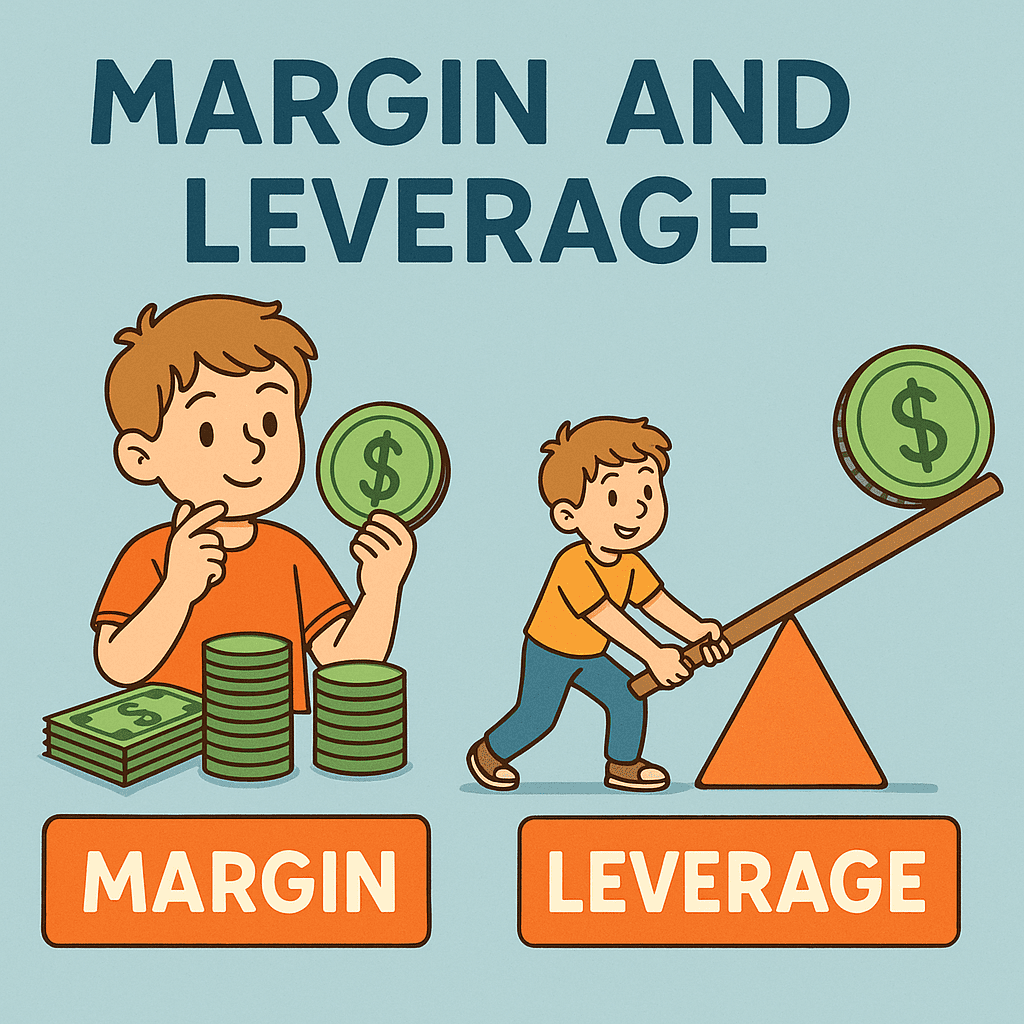
When someone trades futures, they don’t pay the full value of the contract upfront. Instead, they deposit margin, a sort of “good‑faith” deposit. Schwab explains that margin in the futures market is not a loan but a performance bond; traders must post an initial margin, usually just a small percentage of the contract’s value.
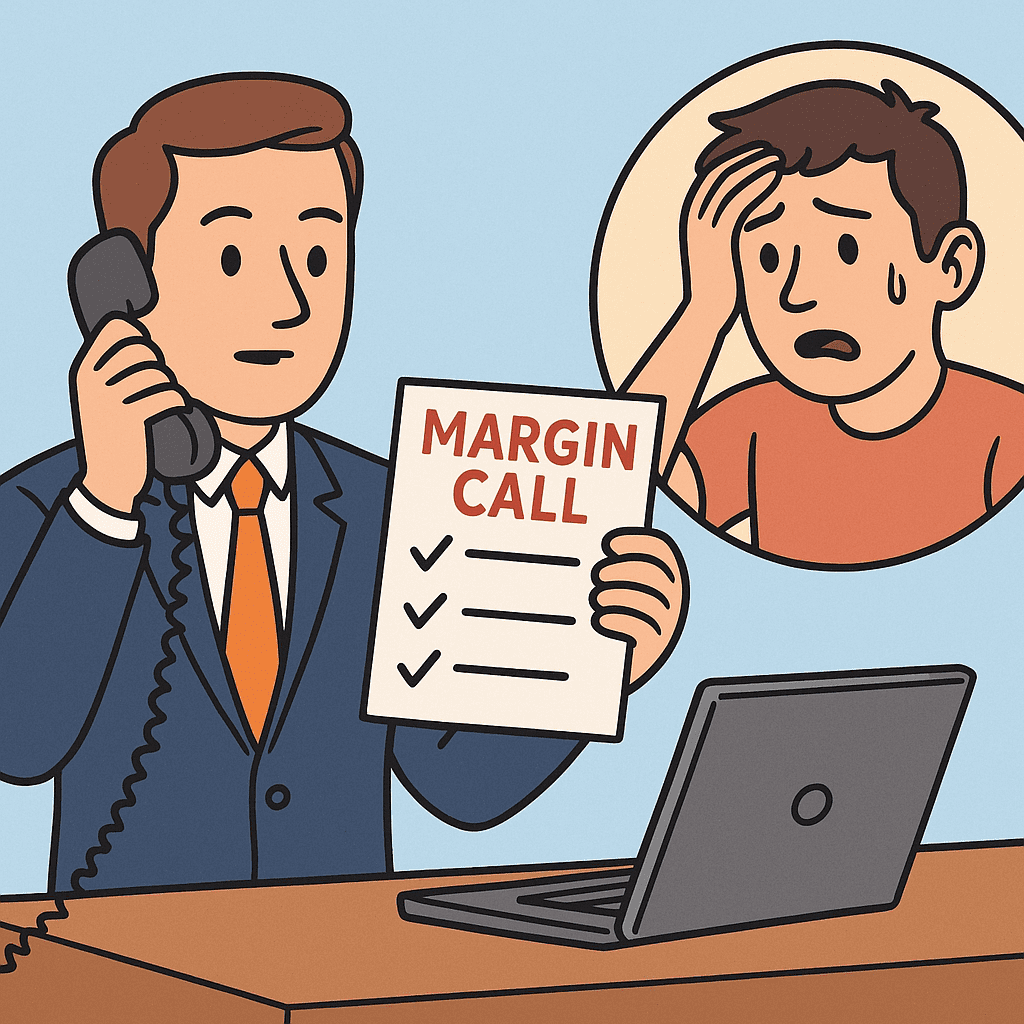
If the market moves against them, they may receive a margin call, requiring them to deposit more money. Because futures are leveraged, small price movements can lead to gains or losses much larger than the initial deposit.
Who participates in futures trading?
According to Schwab, the futures market has two broad categories of participants:
- Commercial hedgers – farmers, manufacturers and other businesses that use futures to stabilize costs or revenues. A grain mill in India might buy wheat futures to lock in the cost of raw materials, while an airline in the USA could buy jet fuel futures to manage fuel costs.
- Speculators – hedge funds, professional traders and individual investors who trade futures to profit from price movements.
Both types of participants are important: hedgers bring real‑world supply and demand, and speculators add liquidity so trades can be executed smoothly.
Types of Futures Contracts
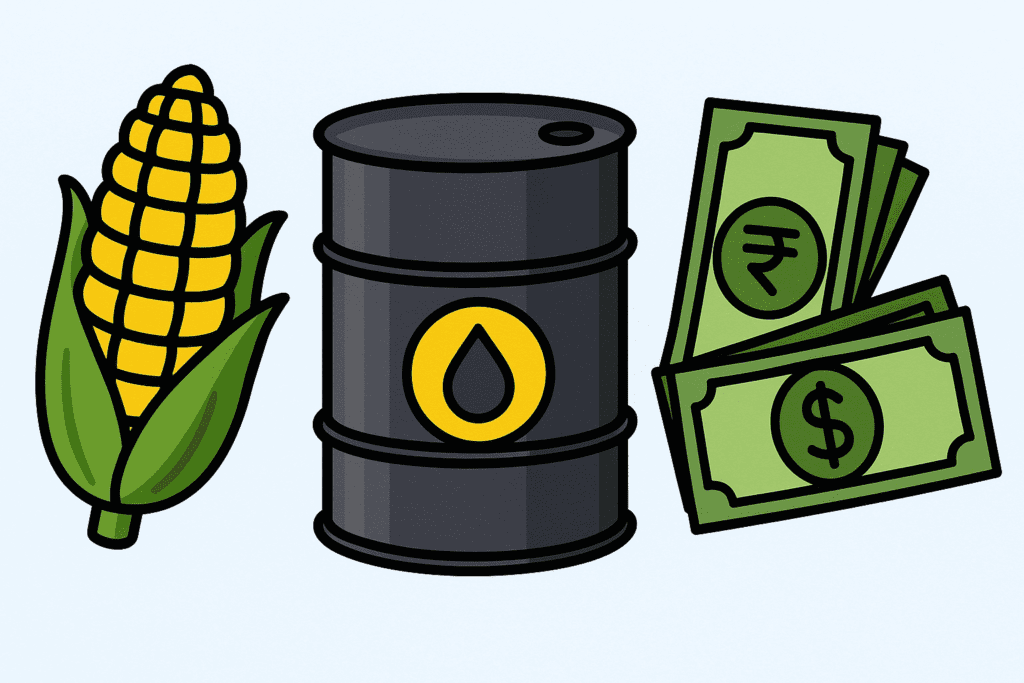
Futures contracts come in many varieties. Here is a quick overview of some common types. Notice how both India and the USA have similar categories, even though the underlying goods or indexes might differ.
| Category | Examples in India | Examples in the USA |
|---|---|---|
| Agricultural | Wheat, corn, cotton futures. | Corn, soybean, wheat futures on CBOT |
| Energy | Crude oil, natural gas on MCX (Multi Commodity Exchange) | Crude oil, natural gas futures on NYMEX |
| Metals | Gold, silver and copper contracts | Gold, silver, copper on COMEX |
| Stock indexes | NIFTY 50, Bank NIFTY, sector index futures | S&P 500, Nasdaq 100, Dow Jones futures |
| Currency | USD/INR, EUR/INR pairs | EUR/USD, GBP/JPY futures on CME |
| Interest rate | Government bond futures | Treasury bond and Eurodollar futures |
This table gives you a quick sense of the variety. In addition, there are futures on livestock (cattle, hogs) and even on cryptocurrencies in some markets.
Pros and Cons of Futures Trading
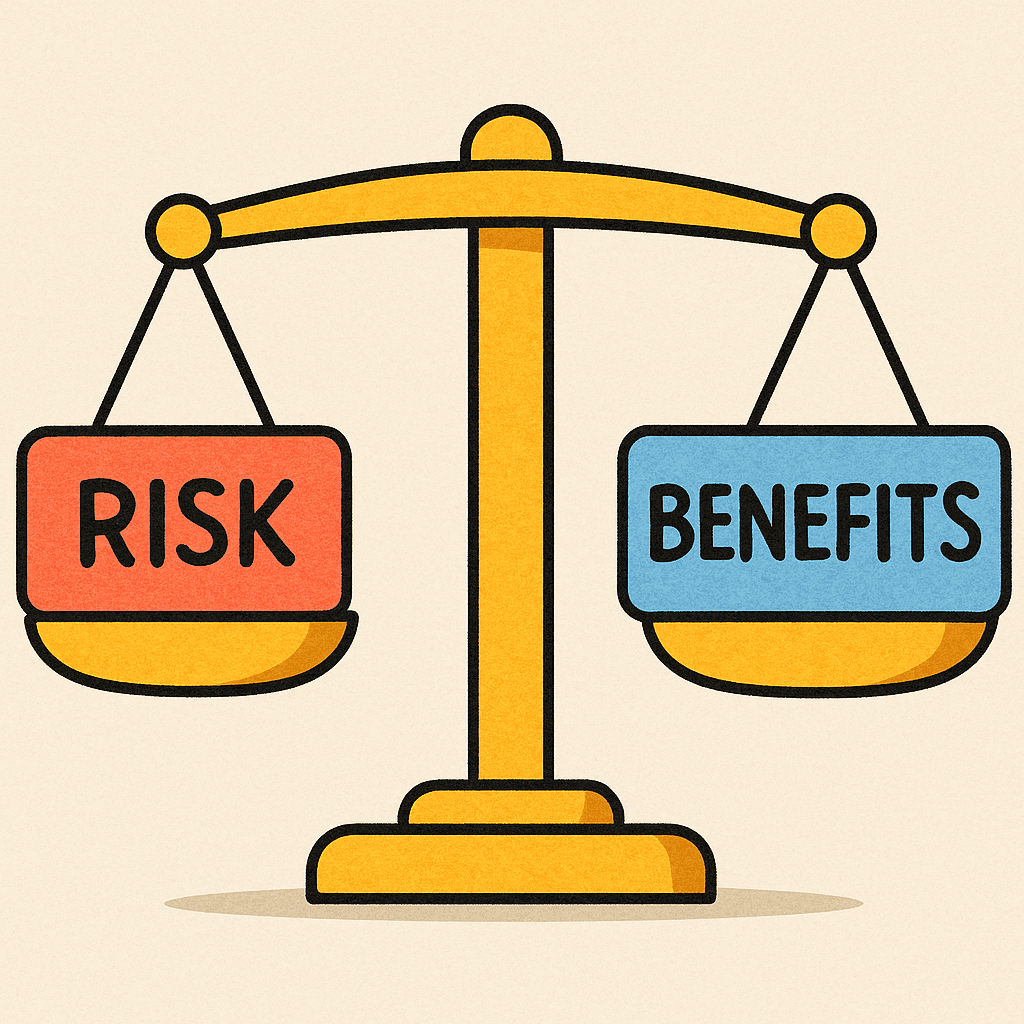
Like any tool, futures trading has benefits and drawbacks. Understanding both is key before diving in.
Advantages
Investopedia highlights several benefits of futures trading:
- Leverage: Futures allow traders to control a large amount of an asset with a relatively small margin deposit. This amplifies gains when prices move in their favor.
- Diversification: Investors can gain exposure to commodities, currencies and indexes that might otherwise be hard to access.
- Ability to short the market: Futures make it easy to profit when prices fall because traders can sell contracts first and buy them back later.
- Around‑the‑clock trading: Many futures markets operate nearly 24 hours a day, allowing traders to react to news outside regular stock market hours.
Disadvantages
However, futures trading also has significant risks:
- Complexity: Futures involve specific contract terms, margin requirements and expiry dates. They require time and effort to understand.
- Over‑leverage: Borrowing too much can amplify losses as well as gains. If the market moves against you, you might lose more than your initial margin.
- Managing expiry: Futures contracts have expiration dates. If you forget to close or roll over a position, you could end up taking physical delivery of the commodity.
- Physical delivery risk: For some contracts, failing to offset a position may result in having to deliver or receive the physical commodity.
Futures vs. Options – What’s the Difference?
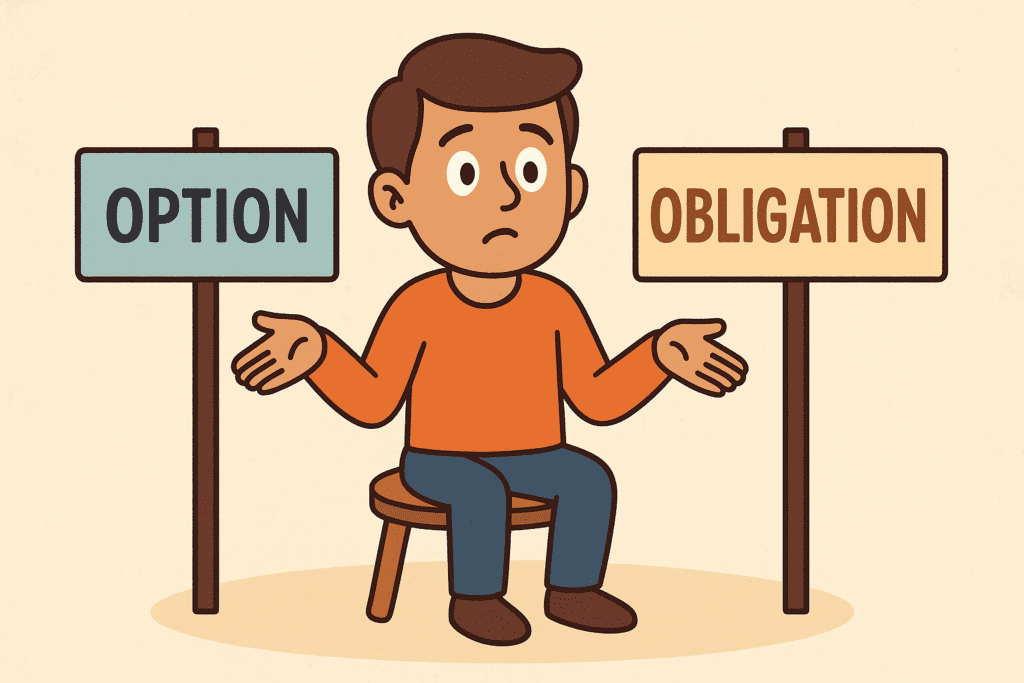
You may have heard of options as another type of derivative. How are they different from futures? Bajaj Finserv explains that futures contracts are binding agreements – both the buyer and seller must settle the contract at expiration. bajajfinserv.in
In contrast, an options contract gives the buyer the choice (but not the obligation) to buy or sell the asset, and the buyer pays a premium for that right. Futures require a margin deposit, while options require payment of a premium. Because options provide a choice, they offer limited risk to the buyer but are generally more expensive.
Getting Started: Steps for Beginners

If you or your parents are curious about futures trading (when you’re older!), here are simple steps to follow:
- Learn the basics. Read guides like this one, watch videos and understand how futures work and the risks involved.
- Open a trading account. Opening an account with a brokerage firm and answering questions about your investment experience and risk tolerance. In India, you must activate the derivatives segment of your Demat account; in the USA, you need approval from your broker.
- Practice with paper trading. Many brokers offer “paper trading” or virtual accounts so you can practice without risking real money.
- Trade small and manage risk. Start with small positions and use risk‑management tools. Keep small position sizing, Use stop‑loss orders, diversify and be cautious when using leverage.
Important Vocabulary
Here are a few key terms you’ll hear in futures trading:
- Contract size: The amount of the underlying asset covered by one contract. For example, one E‑mini S&P 500 futures contract equals $50 × the index.
- Contract value: The contract size multiplied by the current price of the asset. If the E‑mini contract’s index is 4 800, its value is $240 000.
- Tick size: The smallest amount the price can move. The E‑mini S&P 500 futures tick is one‑quarter of an index point, or $12.50.
- Margin: The good‑faith deposit required to trade futures.
- Mark‑to‑market: At the end of each trading day, profits and losses are settled in your account. This means your margin balance can change daily.
Putting It All Together

Futures trading is like making a promise today about a price you’ll pay or receive in the future. Farmers in India use futures to protect the price of wheat or cotton, while tech investors in the USA might speculate on the direction of the S&P 500.
According to Investopedia, futures contracts let people hedge risk or speculate on price movements. investopedia.com They are traded on standardized exchanges and require a margin deposit. The contracts can cover commodities, indexes, currencies and more.
While futures can offer leverage and diversification, they also carry significant risks. If you are thinking about trading futures when you grow up, remember to learn the basics, start small, practice with paper trades and manage your risk. Futures trading can connect farmers in Haryana to cereal makers in California and investors from Mumbai to Chicago, showing how financial markets create global connections.
Disclaimer : This guide is for educational purposes only and is not investment advice. Always discuss investments with your financial Advisor before participating in the markets.
If You Liked This Article, Then You Might Also Like This –
Spin‑Offs: Are They Good for Investors?