Table of Contents
Understanding how the stock market works can feel like learning a new game. A stock is a tiny piece of a company that people can buy and sell. Each stock has a price, and that price doesn’t stay still. It moves up and down like a seesaw at the playground.
But why?
What Makes Stock Prices Move?
In this kid‑friendly guide we’ll explore the main forces that make stock prices change. We’ll use simple examples, fun illustrations and easy language so that even a ten‑year‑old can follow along.
Stocks Are Little Pieces of a Business
Below is a fun illustration of kids running a lemonade stand. Think of this picture whenever you read the word “stock” – it’s like selling tiny parts of a business!
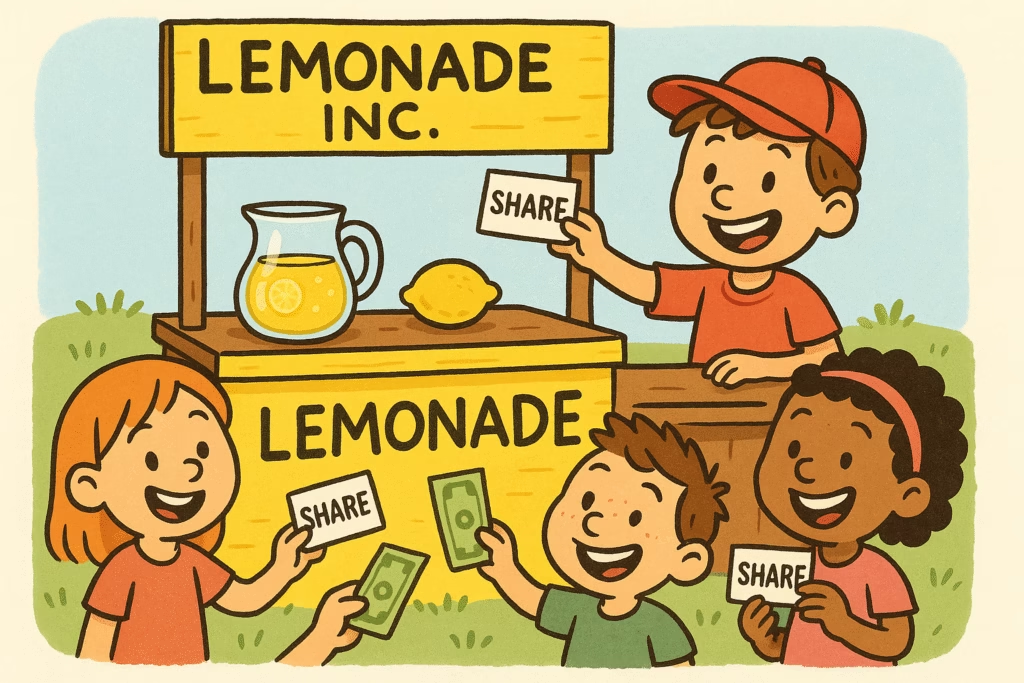
Imagine you and your friends build a lemonade stand. You spend money on lemons and sugar, and together you decide to sell 10 cups. If someone else wanted to own part of your lemonade stand, they might buy a cup‑shaped “share” from you. That share is like a stock. When people buy a company’s stock, they own a small piece of that company. If the company does well, the stock may become more valuable. If the company struggles, the stock may be worth less.
How Supply and Demand Set Prices
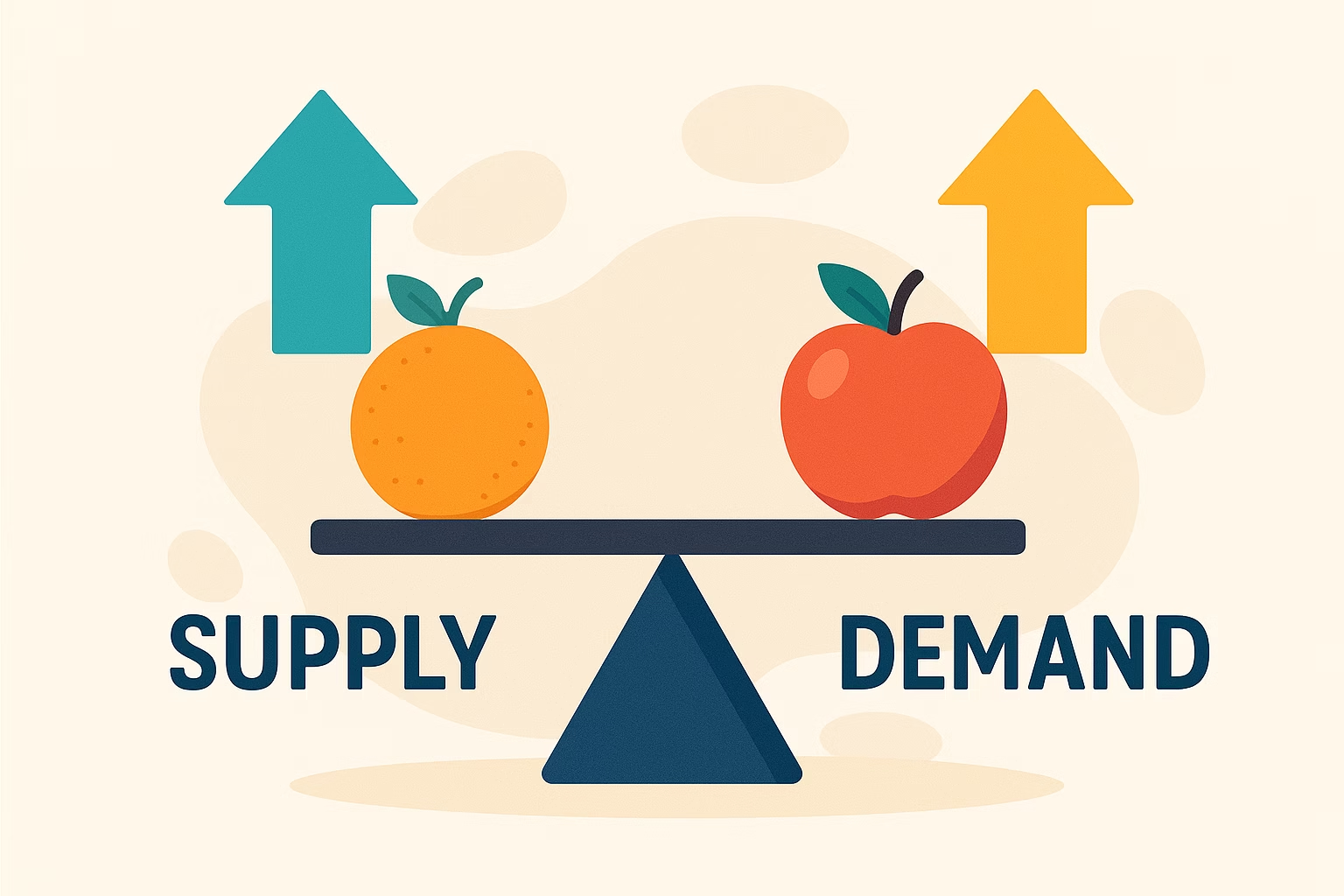
The number one reason stock prices move is something called supply and demand. You’ve probably noticed that when a toy or game is super popular, its price goes up because everyone wants it. If nobody wants that toy anymore, stores might put it on sale. Stock prices work the same way. When more people want to buy a stock than to sell it, the price goes up. When more people want to sell than to buy, the price goes down. A children’s finance site explains that stock prices rise when investors are looking to buy a particular stock and fall when many investors are trying to sell it.
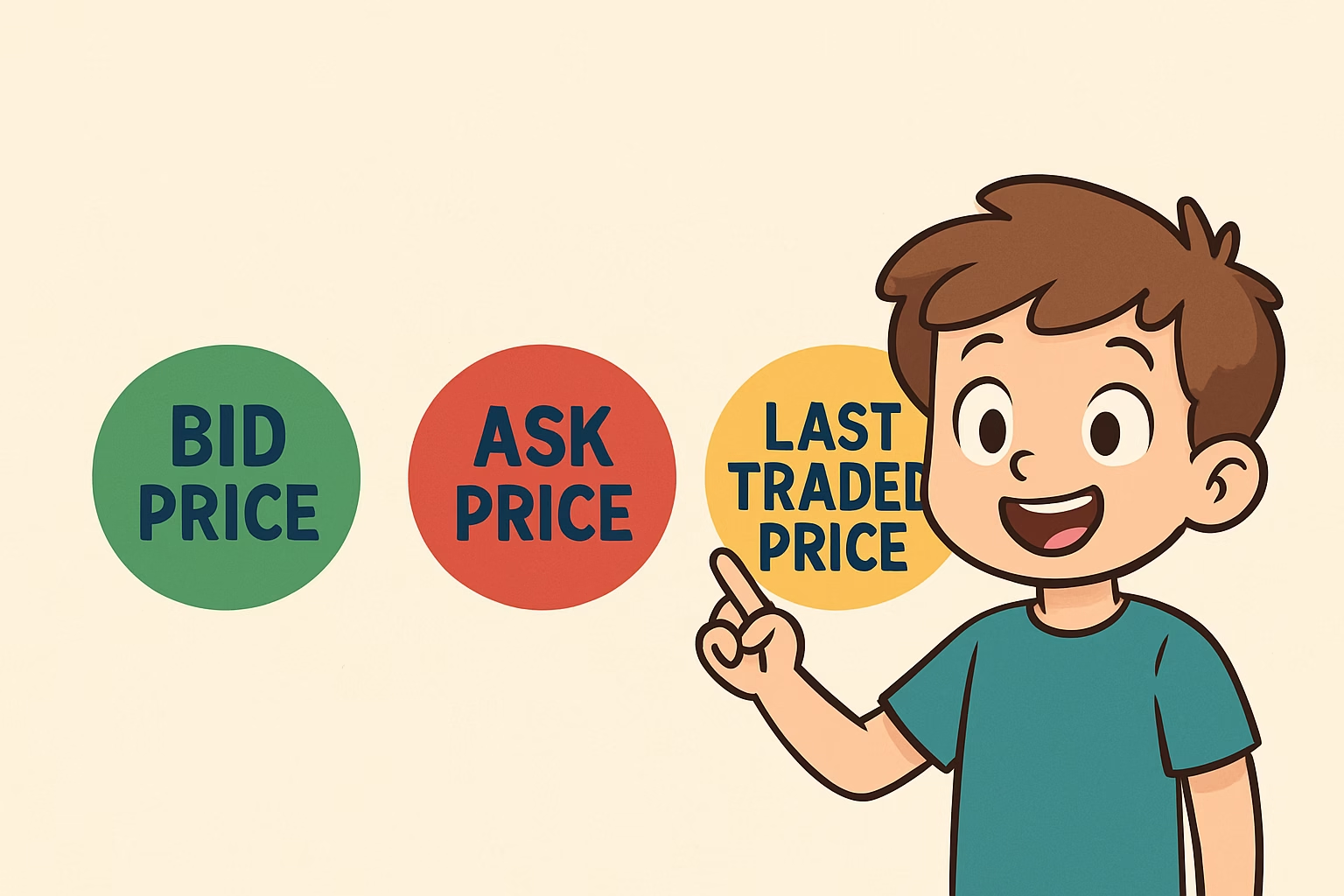
Think of the stock market like a market where sellers and buyers negotiate. The ask is the price a seller hopes to get, and the bid is the price a buyer is willing to pay. The price settles when these two match.
Here’s a simple way to remember how supply and demand work:
- High demand, low supply (more buyers than sellers): price goes up.
- High supply, low demand (more sellers than buyers): price goes down.
- Balanced supply and demand: price stays about the same.
In the picture below, a seesaw shows buyers on one side and sellers on the other. When there are lots of buyers and only a few sellers, the buyers’ side of the seesaw goes down and the price rises. When there are lots of sellers and few buyers, the sellers’ side goes down and the price falls.

Fundamental Factors: Is the Company Healthy?
While supply and demand set the immediate price, investors look at how healthy a company is before deciding to buy or sell. These are called fundamental factors because they come from the company’s fundamentals – its earnings (how much profit it makes), how fast those earnings might grow, and how risky the company seems. A financial education site describes three main fundamental factors: the level of earnings, the expected growth of those earnings, and the discount rate (a way investors adjust for risk and inflation) investopedia.com.
Company Profits and Growth
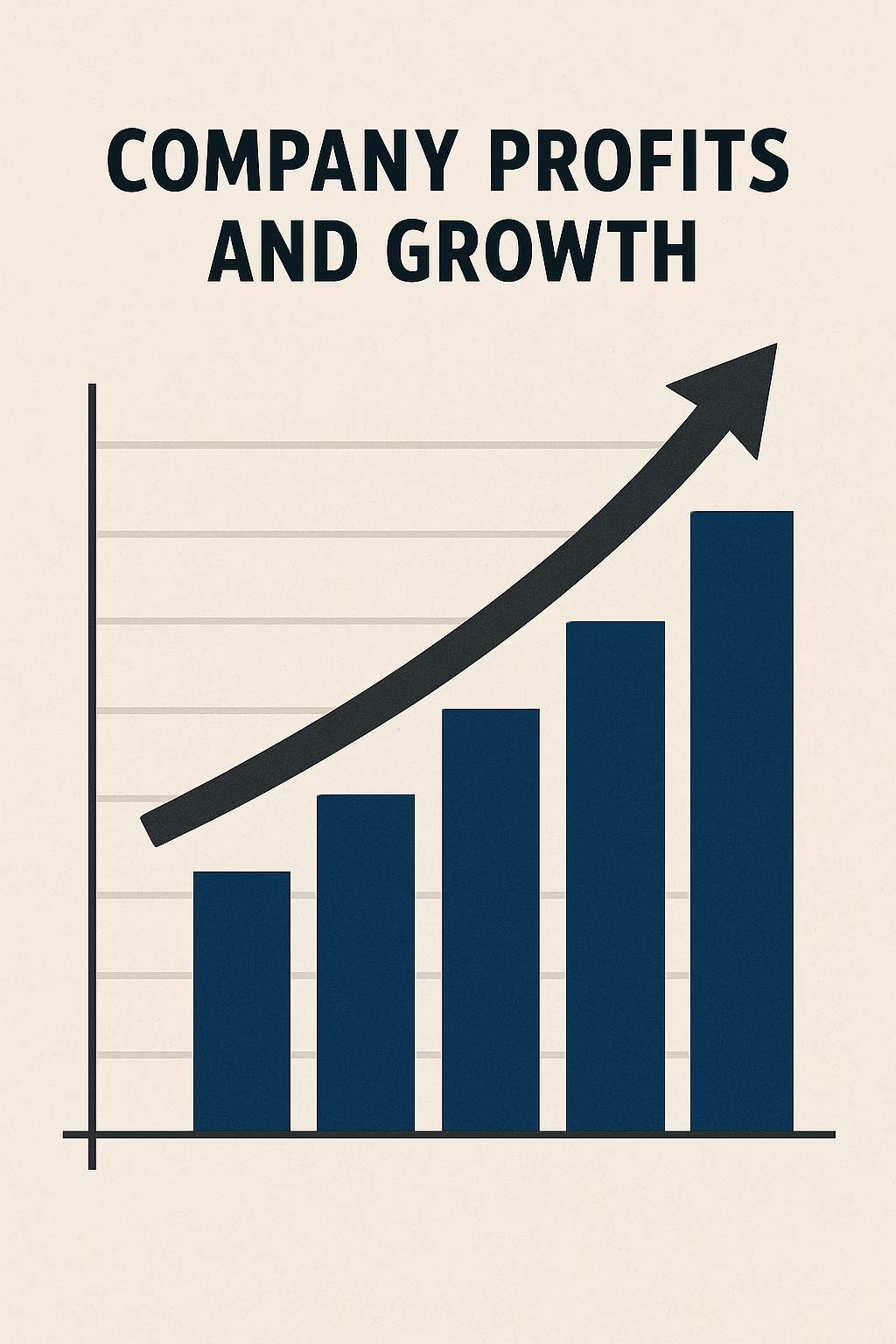
Imagine your lemonade stand makes ₹10 in profit today. Would you expect it to make ₹20 next week? Investors ask similar questions about real companies. When a company earns a lot of money per share (called earnings per share), investors are usually willing to pay more for its stock. They also care about how much those earnings might grow in the future. A company expected to grow quickly often commands a higher price. In other words, investors pay for future earnings, not just today’s profits.
Perceived Risk and Valuation
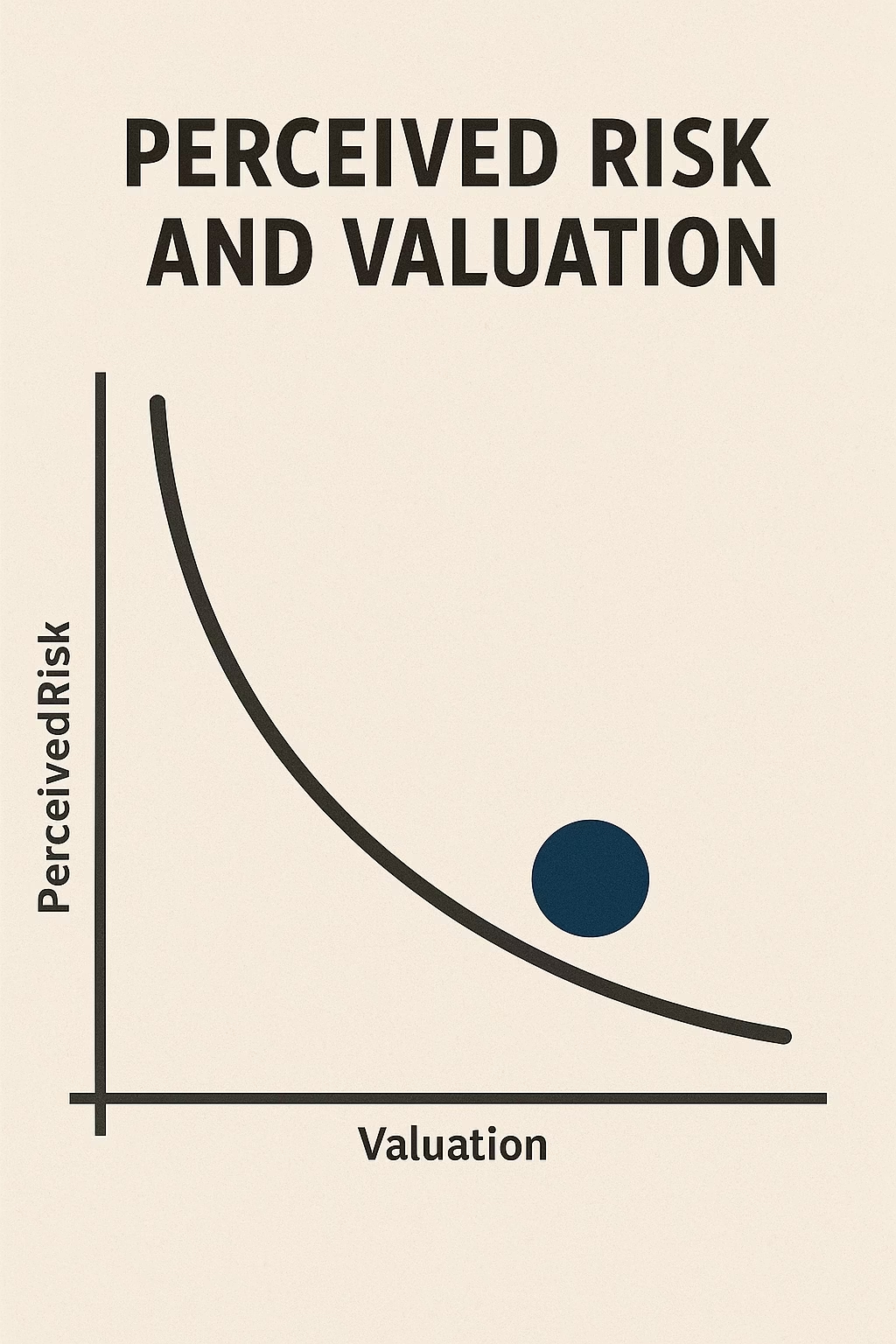
Not all companies are equally safe. A business that sells essential goods might seem safer than one selling a fad toy. To account for uncertainty, investors use a discount rate. If the future seems risky or if inflation is high, investors use a higher discount rate, which lowers the stock’s value. On the other hand, if inflation is low and the company is stable, investors use a lower discount rate and are willing to pay more. The company’s valuation (how expensive it seems relative to its earnings) also depends on whether people think its profits will keep growing investopedia.com.
Dividends and Cash Flow
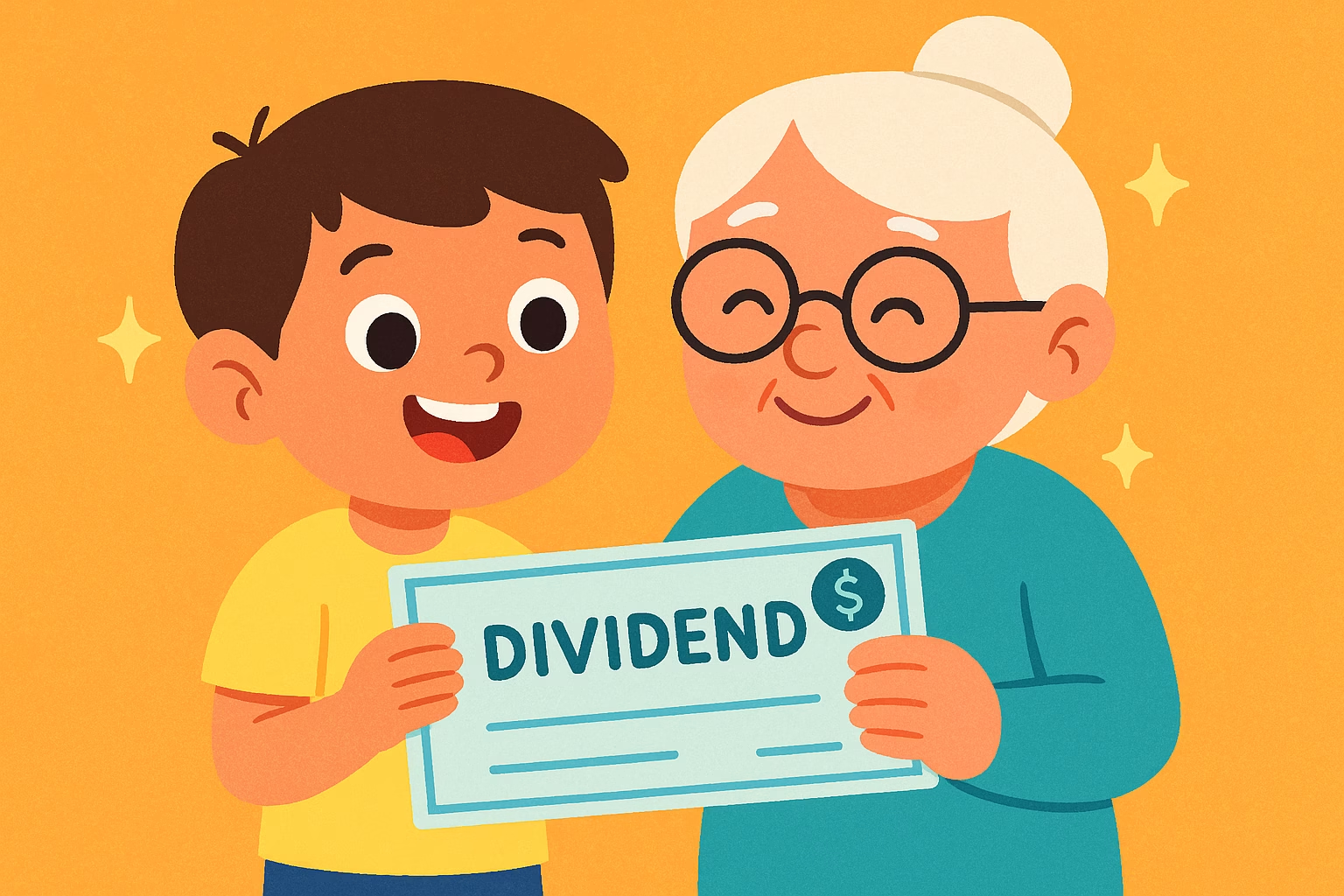
Some companies share part of their profits with shareholders through dividends. Others keep the money to invest in new projects. Investors consider both, along with cash flow (how much money is actually coming in and going out), when deciding how much a stock is worth. For kids, it’s like choosing between spending your pocket money now or saving it for a bigger purchase later.
Technical Factors: The Bigger Picture
Fundamentals look at the company itself, but technical factors are outside forces that affect supply and demand. They include the economy, interest rates, how popular a stock is (liquidity), and what other investments people can choose instead. A financial article notes that technical factors cover things like economic trends, inflation, trading volume and market sentiment. Let’s break these down in kid‑friendly terms.
Economic Conditions and Inflation
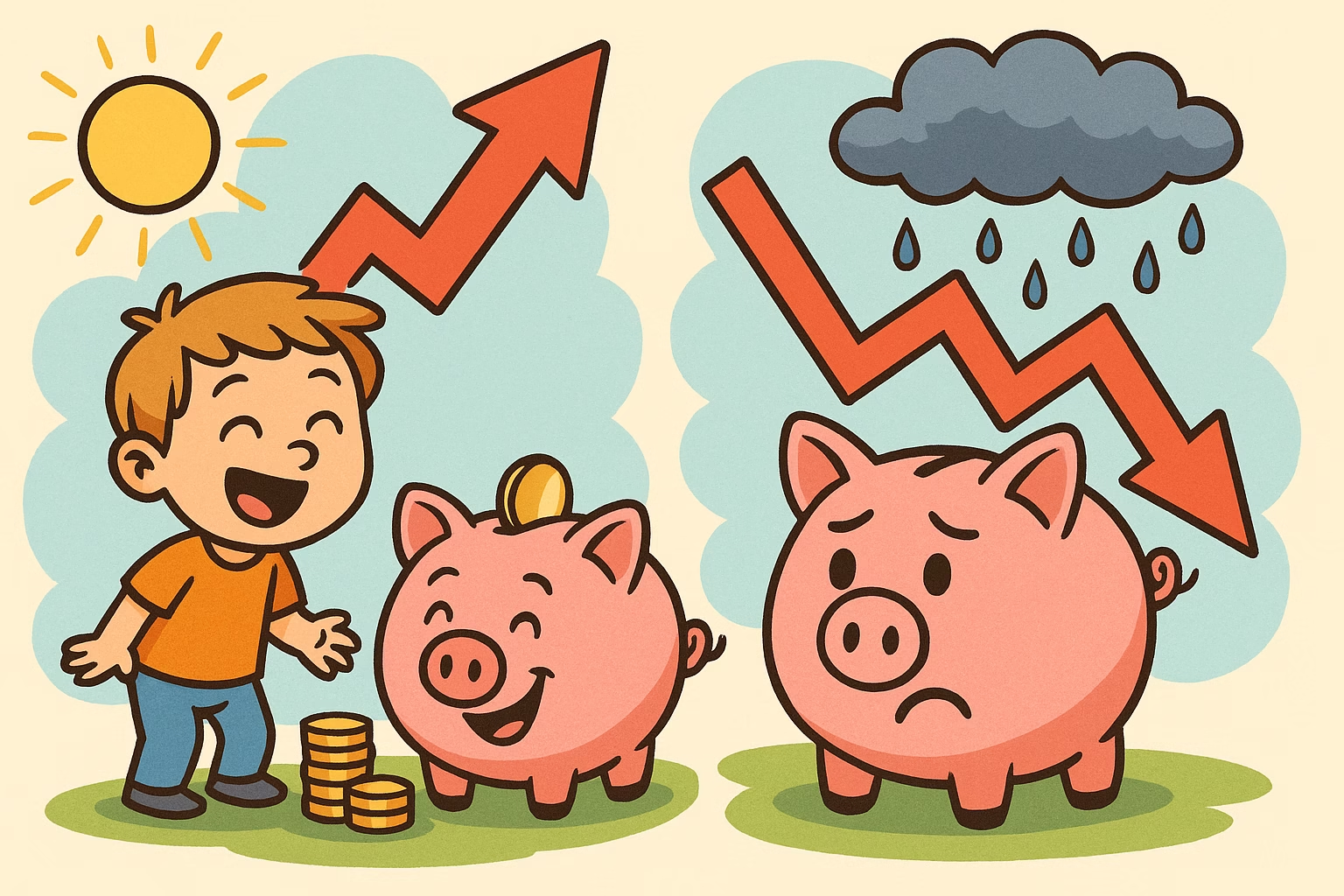
When the economy is strong – people have jobs, businesses are growing, and products are selling – companies tend to make more money. This can make their stock prices go up. But when prices across the whole economy start rising quickly (called inflation), investors worry that future profits won’t be worth as much. Historically, low inflation helps stock prices, and high inflation can hurt them. Interest rates play a similar role: when rates go up, it becomes more expensive to borrow money, so people may prefer to put their money in a bank instead of buying stocks. Lower interest rates can make stocks more attractive upcounsel.com.
Industry Trends and Substitutes
Companies don’t exist in a vacuum. Businesses in the same industry often move together. For example, a drought that reduces the tomato harvest affects every ketchup company. That means the prices of ketchup stocks may rise together if tomatoes become scarce. Investors also compare stocks with other investments, such as bonds or real estate. If other investments offer better returns, people might sell stocks and buy those instead.
Volume and Liquidity

Some stocks are very popular and are traded (bought and sold) a lot. This is called liquidity. A liquid stock, like shares of a big company, usually reacts quickly to news because lots of people are trading it investopedia.com. Less‑known stocks might not move as much, or might move unpredictably, because only a few investors are interested. Trading volume – how many shares are bought and sold – is a clue about liquidity.
Technical Trends and Short‑Term Patterns
Sometimes, stocks move simply because they are following a short‑term trend. A stock that has been going up might keep going up because people see its success and want to join in, creating momentum. Other times, a stock might return to its average price (a concept known as reverting to the mean). While these patterns are interesting, they can change quickly and are harder to predict.
Market Sentiment: Feelings and Psychology

Have you ever bought a toy because all your friends were excited about it? That’s an example of sentiment – how people feel. Stock prices also react to people’s feelings. When investors are optimistic, they may buy more stocks, pushing prices higher. When they are fearful, they sell, causing prices to drop. This collective mood is called market sentiment. Experts note that market sentiment is shaped by psychology and social sciences and that negative news can trigger selling while positive expectations increase demand.
Bull and Bear Markets
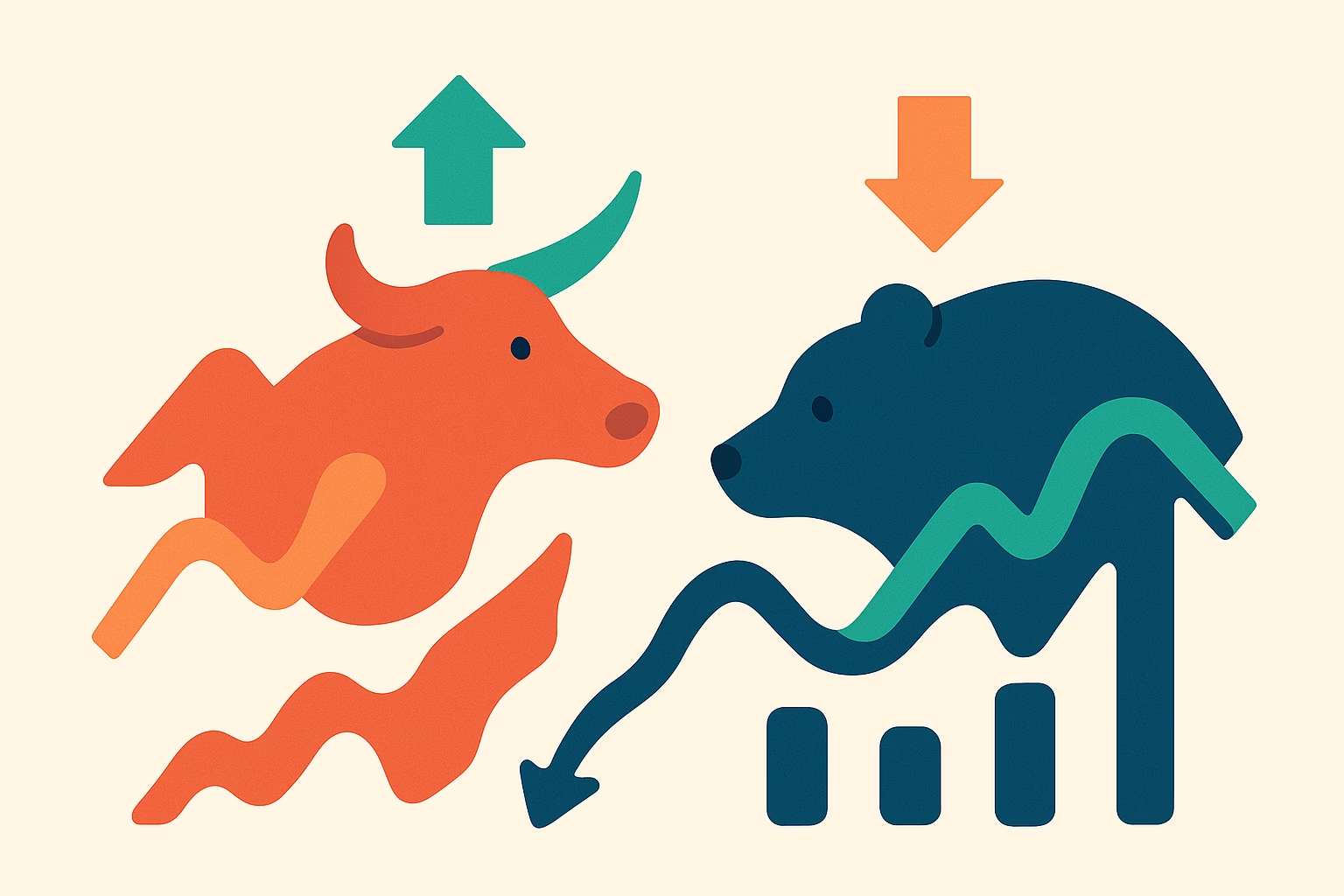
Here’s a friendly picture of a bull smiling at good news and a bear looking sad at bad news. This drawing shows how emotions can influence prices.
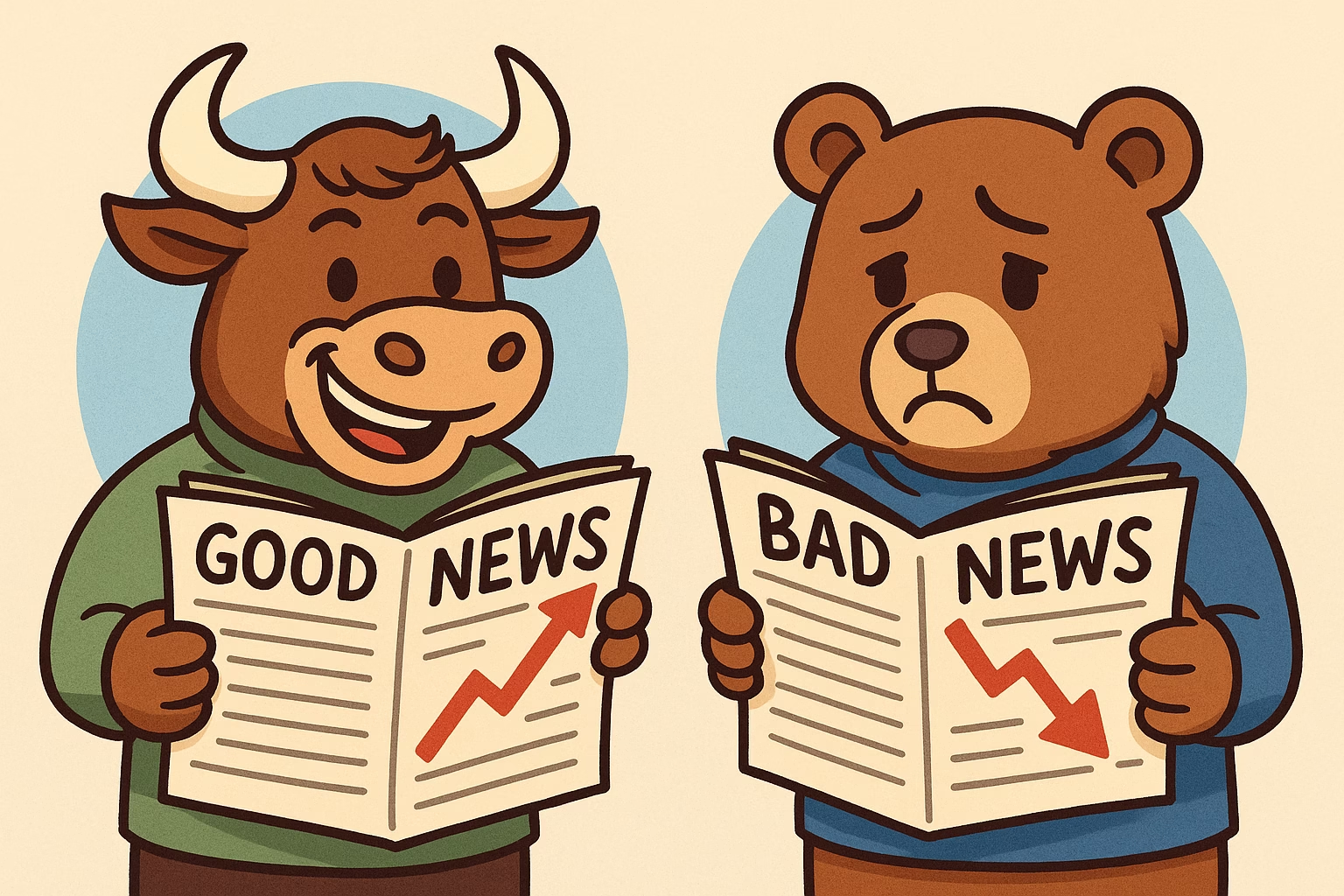
Two animals often represent market sentiment: the bull and the bear. A bull market happens when investors feel confident and stock prices generally go up mydoh.ca. It’s like a bull charging forward with its horns pointed upward. A bear market is the opposite – investors are cautious or worried, and prices tend to fall. Think of a bear swiping downward with its paws. These nicknames help people quickly describe the overall mood of the market.
The Impact of News and Events
Below is a cartoon of children watching breaking news on a TV. The green and red arrows represent how good or bad news can push prices up or down.

News is like the weather for stocks. It changes quickly and can cause sudden movements. A company’s stock may soar if it announces a new product or partnership. Bad news – like a product recall or scandal – can cause the price to fall. News doesn’t even have to be about the company. A big political event, an election result, or a natural disaster can rattle or boost the entire market. Because financial markets around the world are connected, news in one country can spread across the globe almost instantly investopedia.com.
Company News and Industry Performance
Individual companies make headlines when they sign new contracts, release new products or report earnings. For instance, if a ketchup company strikes a deal with a big burger chain, investors may expect higher profits, and the stock price can rise. Conversely, if there’s a shortage of tomatoes, the entire ketchup industry might see rising stock prices because ketchup becomes rarer. These examples show how company‑specific and industry‑wide news can affect supply and demand.
Global Events and Politics
Our next illustration shows the world surrounded by icons like storms, political symbols and interest rate arrows. Children peer through a magnifying glass to remind us that global events can influence stocks.
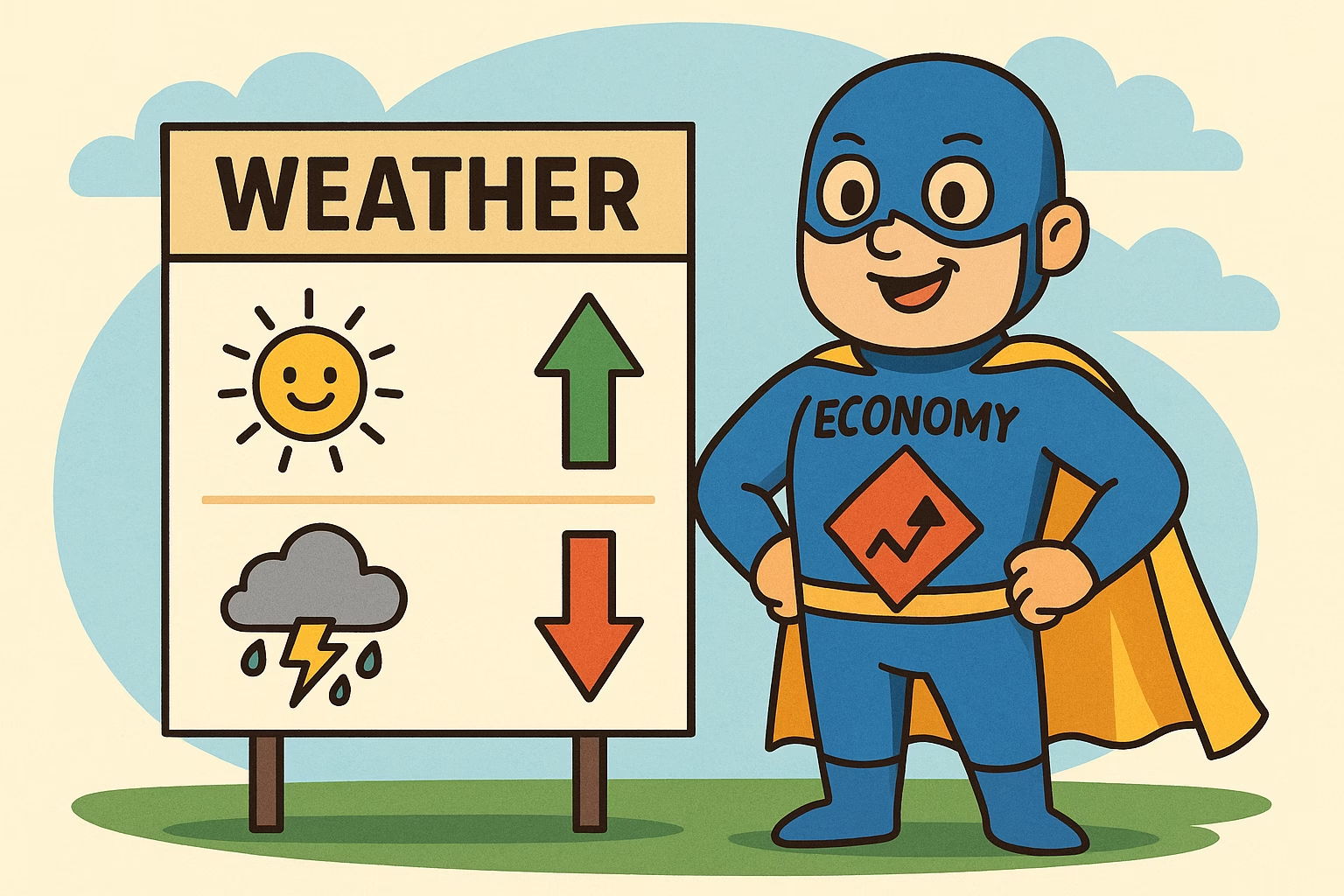
Sometimes events far away from a company affect its stock. Economic indicators like GDP growth, employment data, or inflation tell investors how strong the overall economy is. A new government policy, a change in taxes or interest rates, or an unexpected global event like a natural disaster or pandemic can change investor expectations and move stock prices. Because markets are global, a shock in one country may ripple through markets everywhere.
Putting It All Together
By now you can see that no single factor controls stock prices. Supply and demand act like a basic rule: more buyers raise prices and more sellers lower them. But underneath that simple rule are many moving parts:
- Company health – earnings, growth and risk tell investors whether a company is strong.
- Economic forces – inflation, interest rates and overall market conditions can make stocks more or less attractive.
- Industry trends and alternatives – events in the company’s industry or competing investments influence where money flows.
- Liquidity and volume – popular stocks respond quickly to news because they are traded frequently.
- Investor feelings – optimism (bull markets) and fear (bear markets) can push prices up or down.
- News and surprises – announcements, politics and global shocks can change expectations overnight.
Even adults find the stock market complex. While these factors help explain why prices move, nobody can predict the future with 100% accuracy. That’s why many investors diversify (spread) their money across different companies and hold stocks for a long time rather than try to guess day‑to‑day moves. If you’re curious about investing, talk to a parent or a trusted adult, and remember that investing always carries risk. Learning now can help you build good habits later.
Final Thoughts

Stocks are tiny slices of companies that people buy and sell every day. Their prices move because of supply and demand, but those two words hide a world of interesting ideas. A company’s profits, growth and stability shape how valuable it seems. Inflation, interest rates and the overall economy create winds that push prices up or down. Investor feelings can turn the market into a charging bull or a cautious bear. News and events – from a ketchup shortage to a global pandemic – can move prices quickly. Understanding these forces is like learning the rules of a game. The more you know, the better you can play – or simply enjoy watching the game unfold!
If You Liked This Article, Then You Might Also Like This –
Bid Price vs. Ask Price vs. Last Traded Price – A Kid‑Friendly Guide